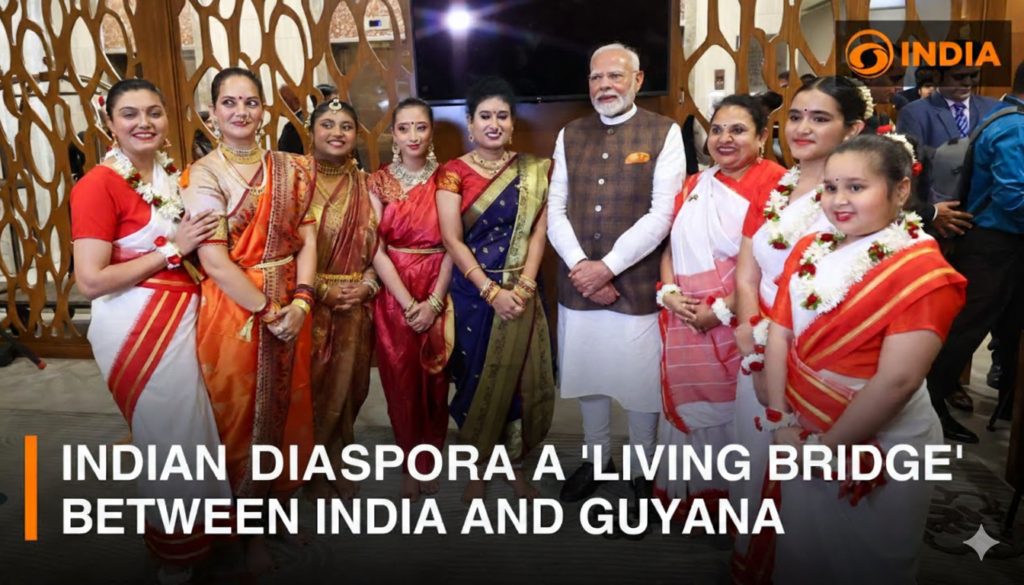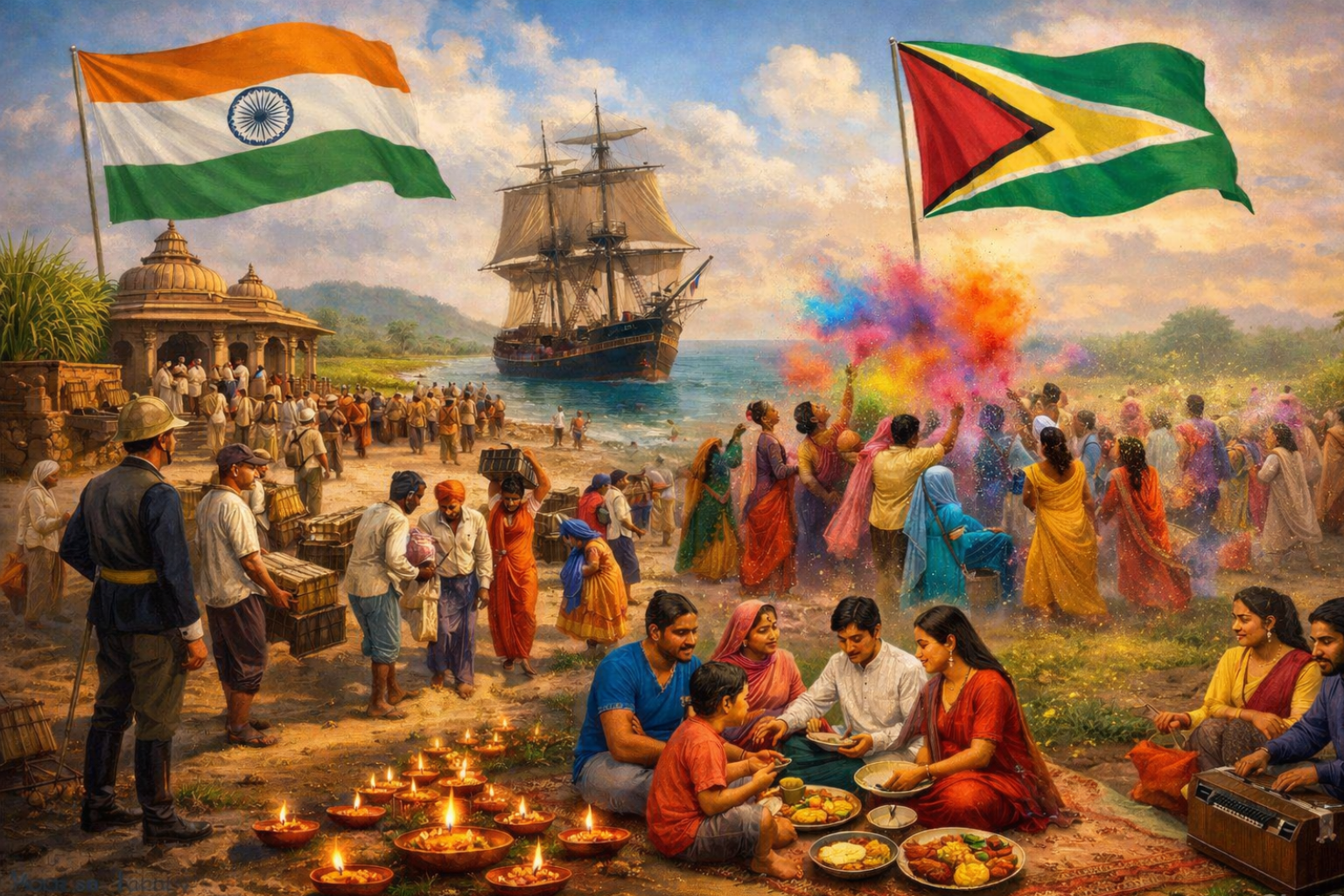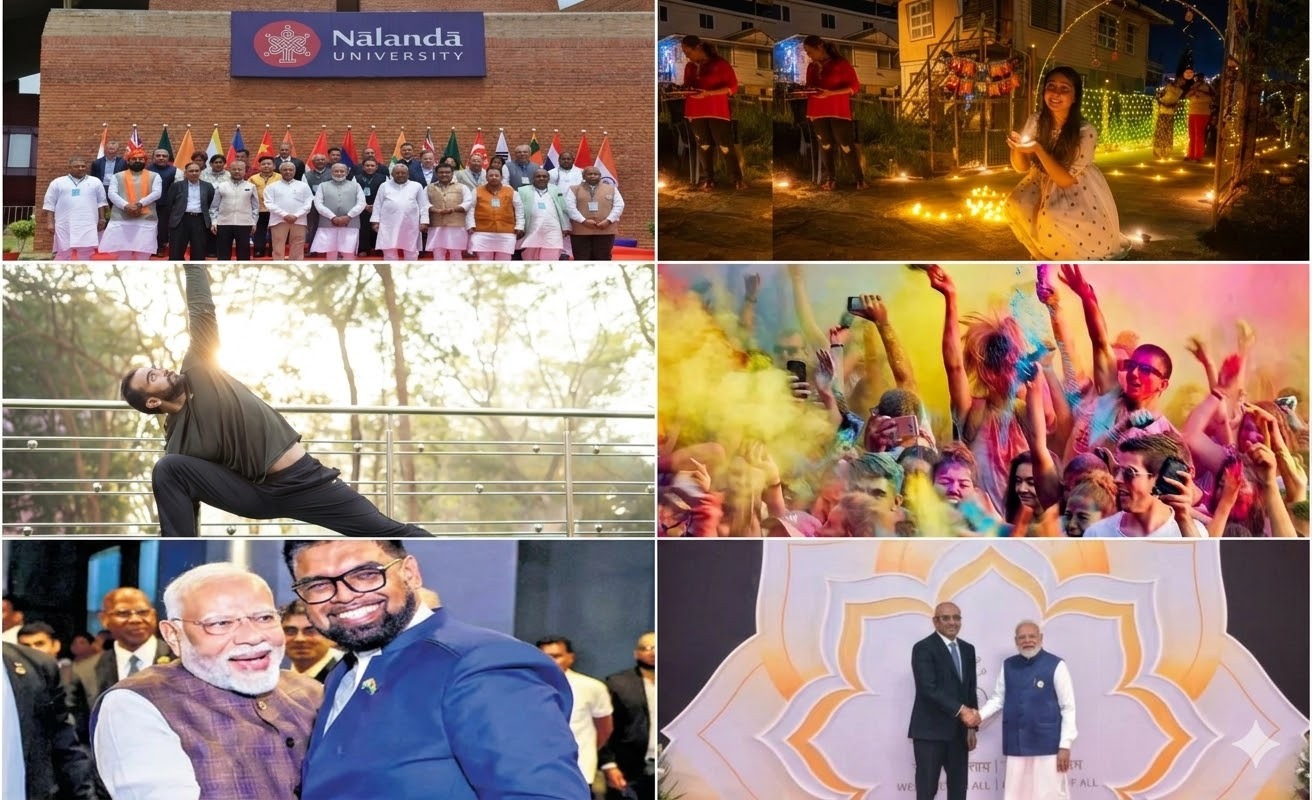
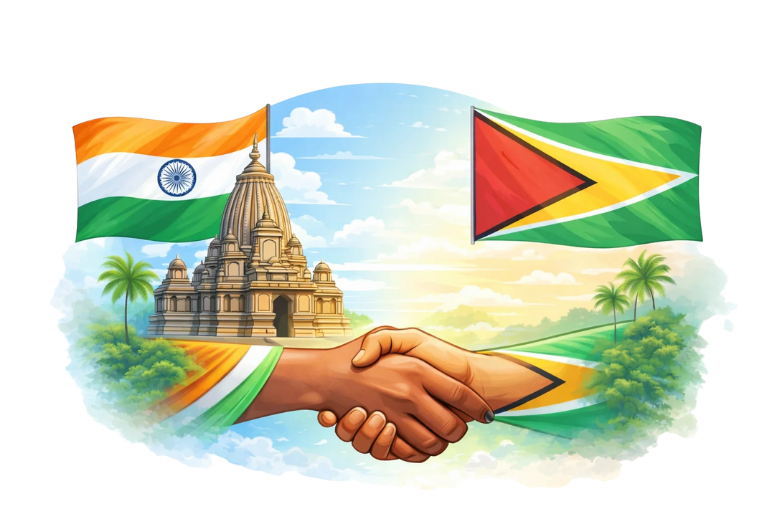
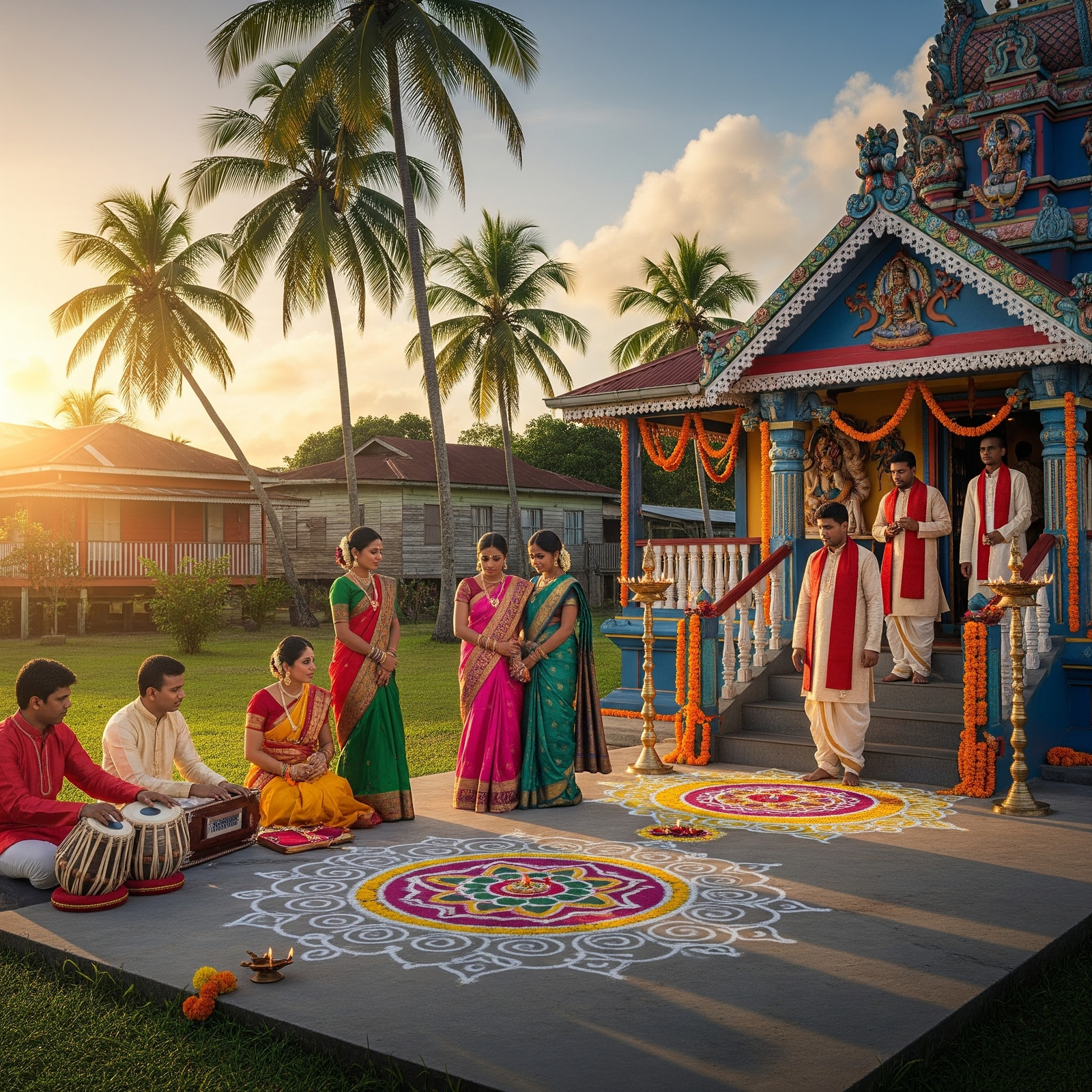


Indian civilisation has profoundly shaped Guyana’s cultural landscape. Through festivals, music, cuisine, language, family values, and community rituals, the Indo-Guyanese community has enriched Guyana’s multicultural identity. Hindu celebrations such as Phagwah (Holi), Diwali, and Ram Navami bring people of all backgrounds together, strengthening social bonds and cultural understanding.
The Indian Civilisation Institute of Guyana highlights this shared heritage, helping visitors and students appreciate how Indian traditions crossed oceans during the indentureship era and continue to thrive generations later.
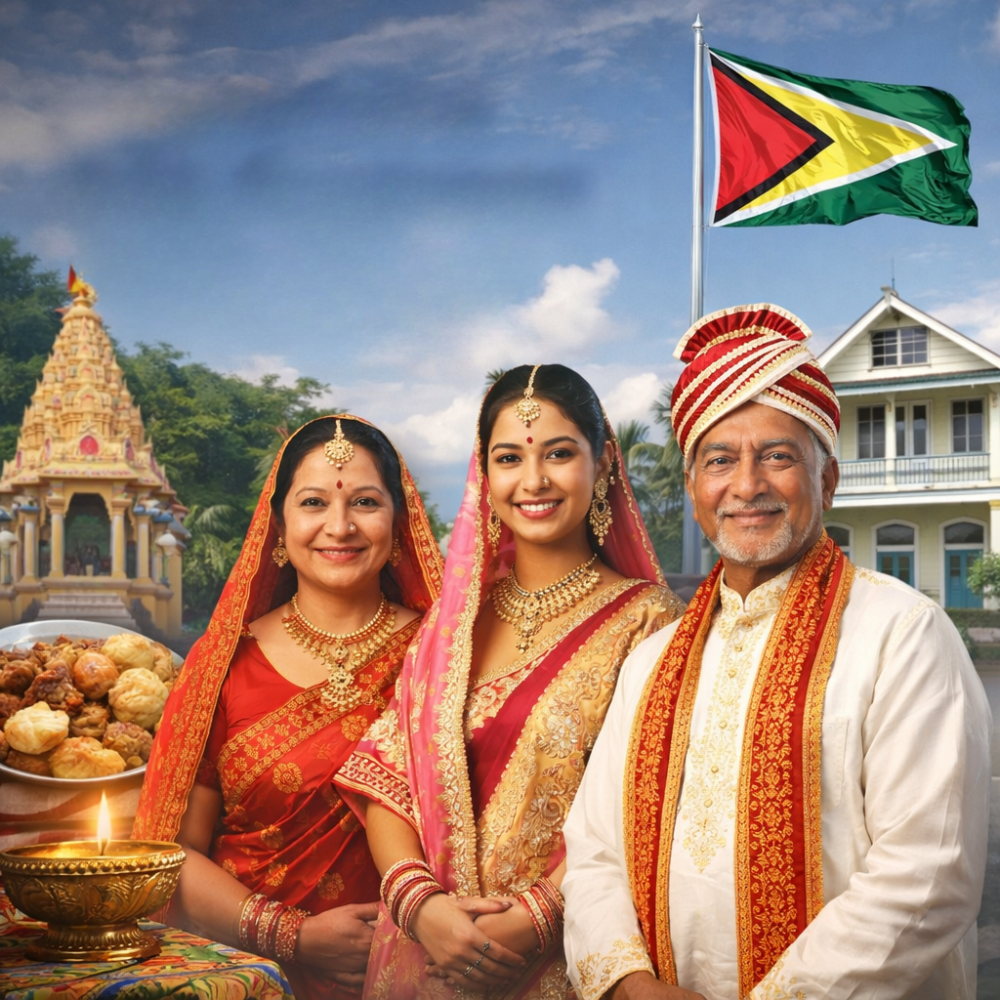
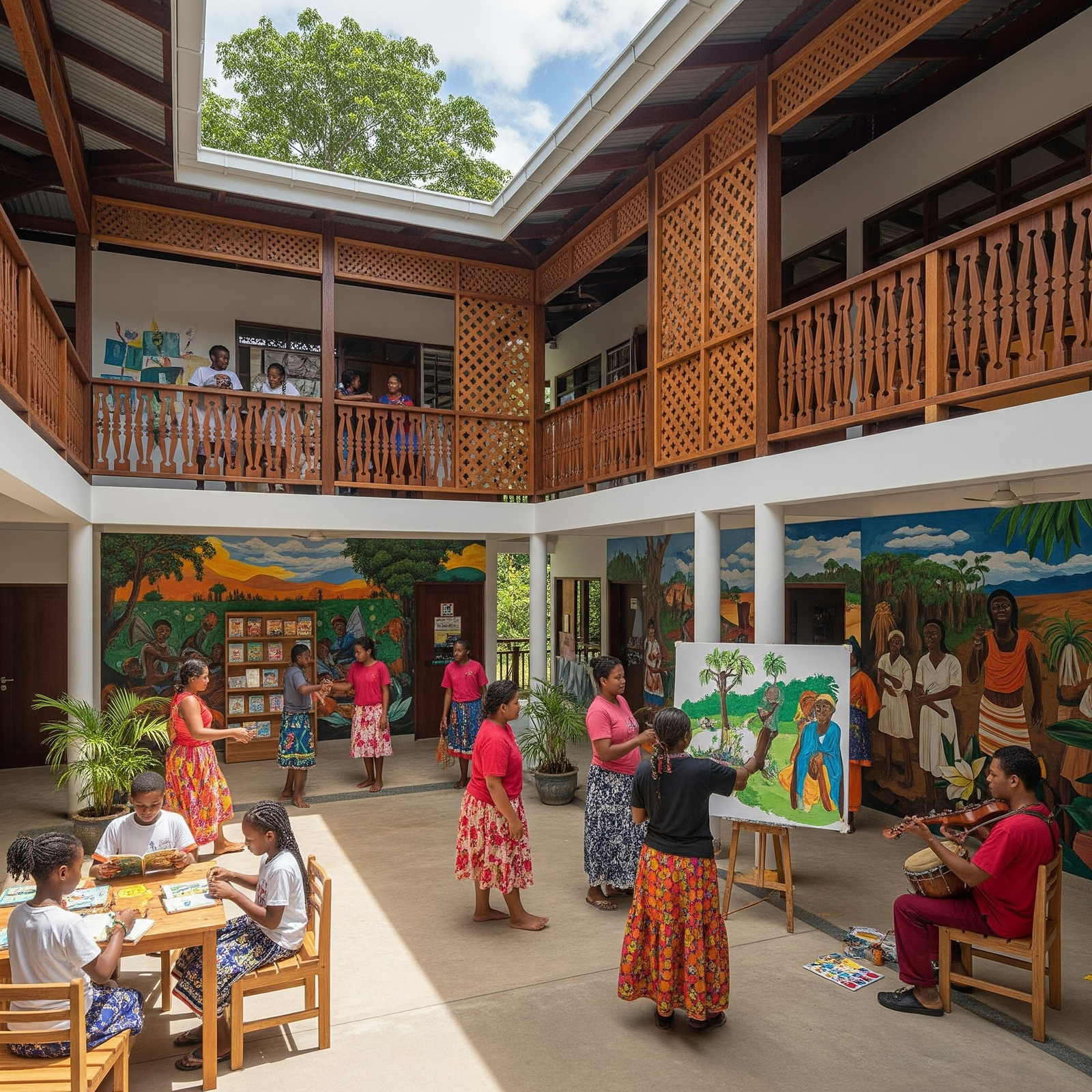
The institute serves as a cultural beacon, preserving the legacy of the ancestors who arrived in Guyana as indentured labourers and built resilient, vibrant communities. Through curated exhibitions, archives, research, and educational programs, the institute safeguards sacred texts, artefacts, oral histories, folk traditions, agricultural knowledge, and historical narratives that define Indo-Guyanese heritage.

This work is not only about honouring the past but also about empowering future generations with knowledge, confidence, and cultural pride.

The Indian Civilisation Institute of Guyana is more than an educational institution—it is a living space where culture is practised, shared, and celebrated. From Indian languages and ancient history to philosophy, music, yoga, and spirituality, the institute welcomes everyone seeking to learn, reconnect with their roots, or better understand Indo-Guyanese traditions.
As Indian culture continues to gain global recognition through yoga, Ayurveda, devotional music, and spiritual philosophy, the institute plays a vital role in promoting awareness and appreciation within Guyana and beyond.

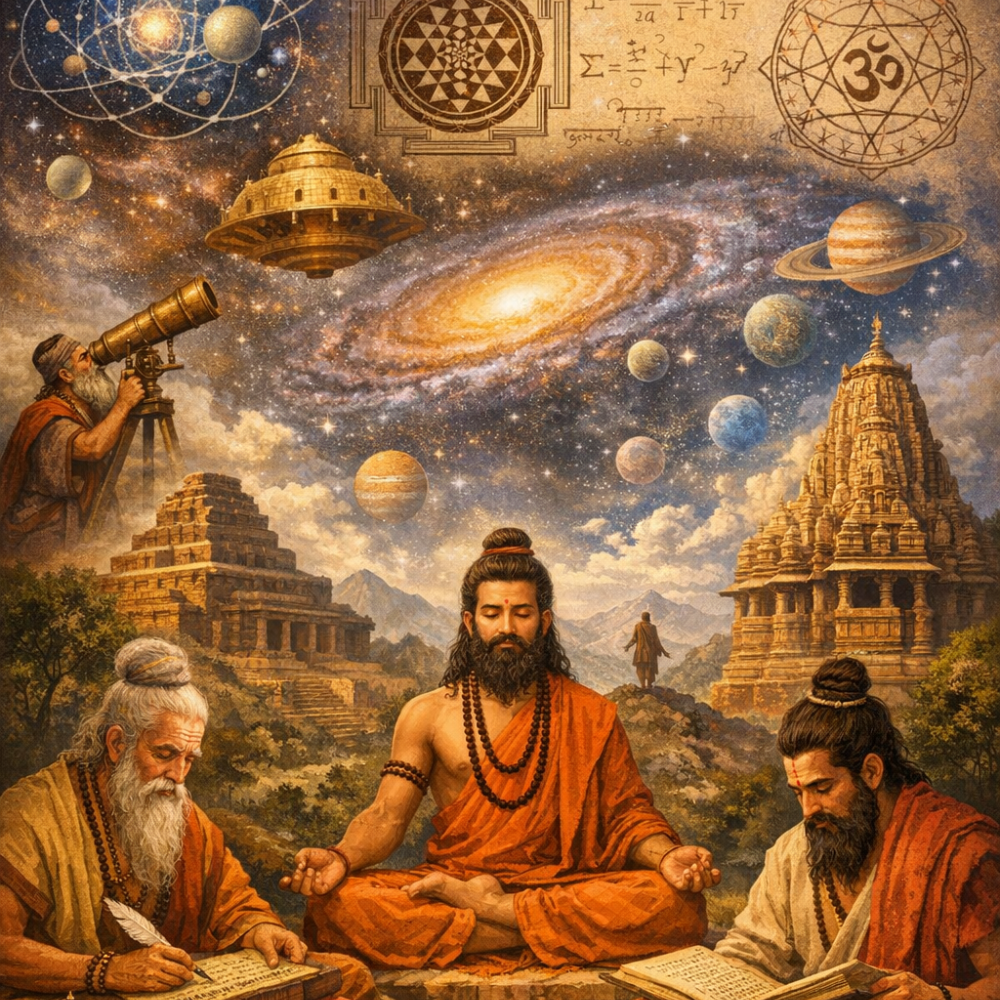
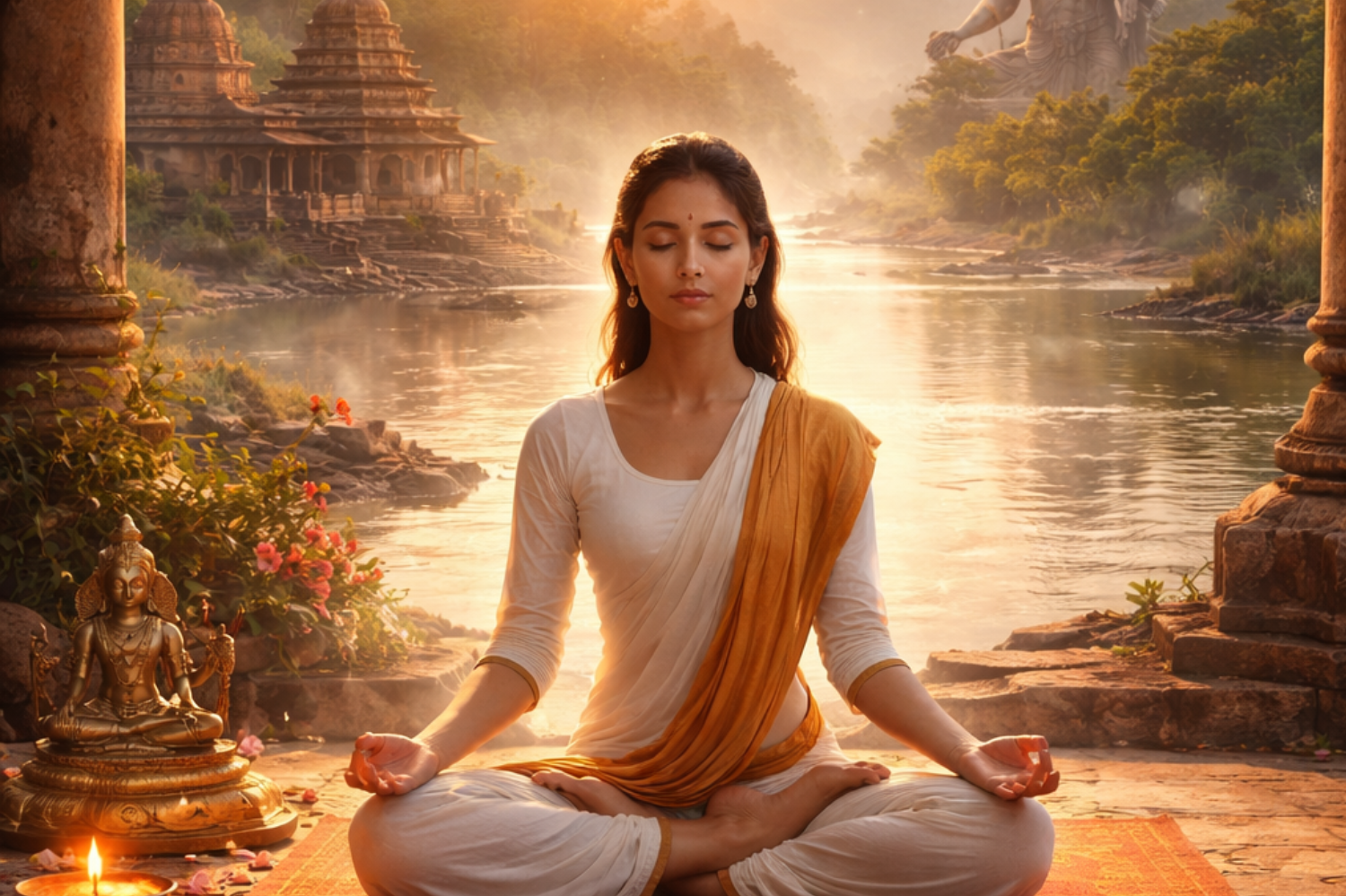
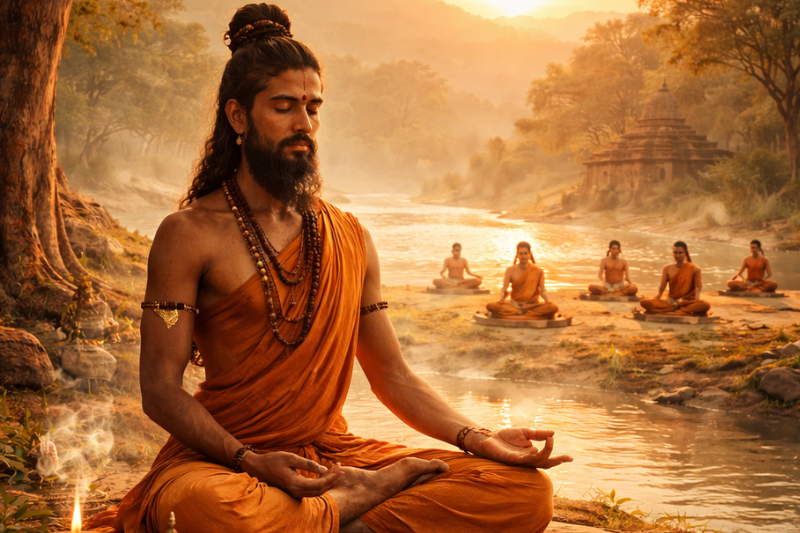
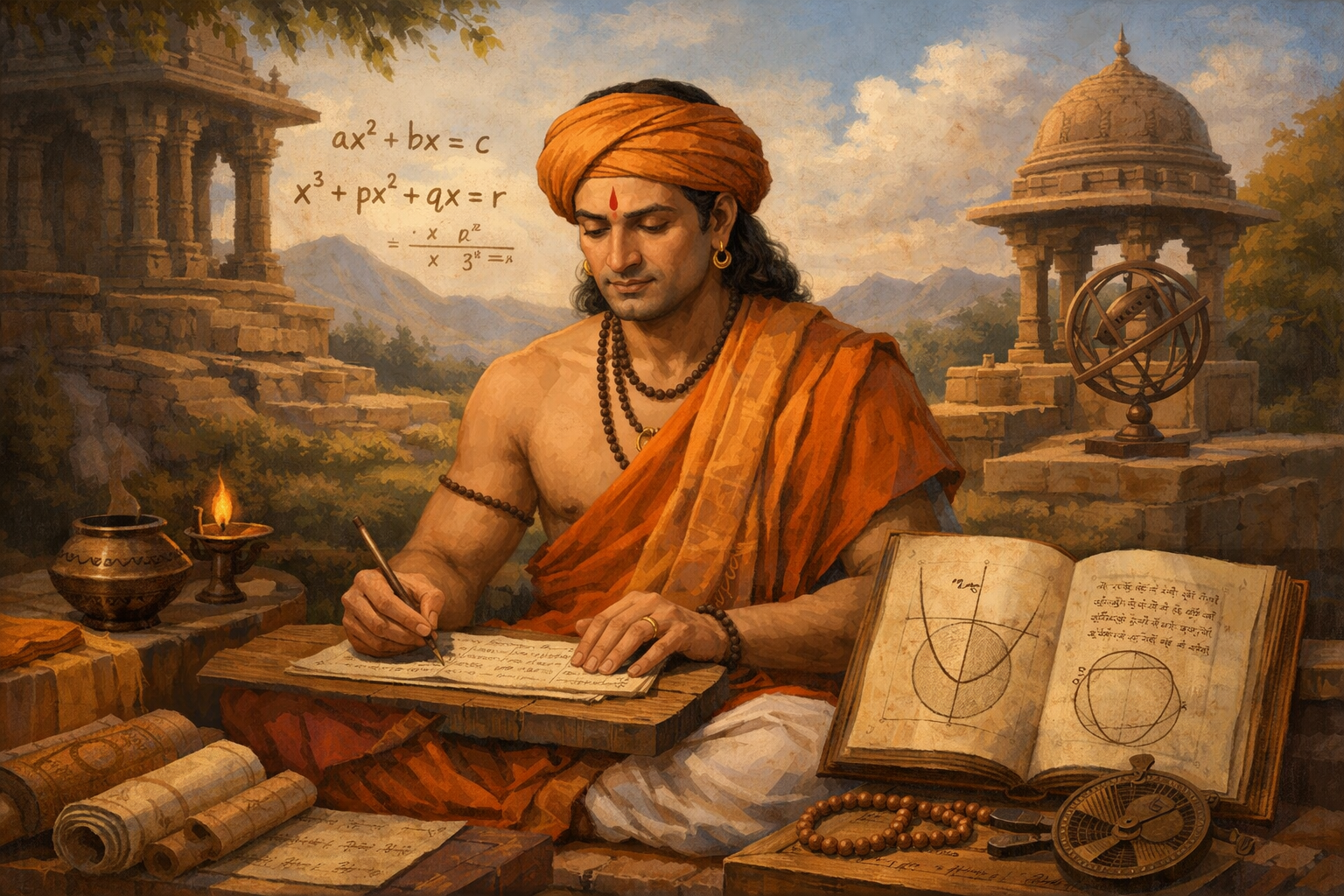
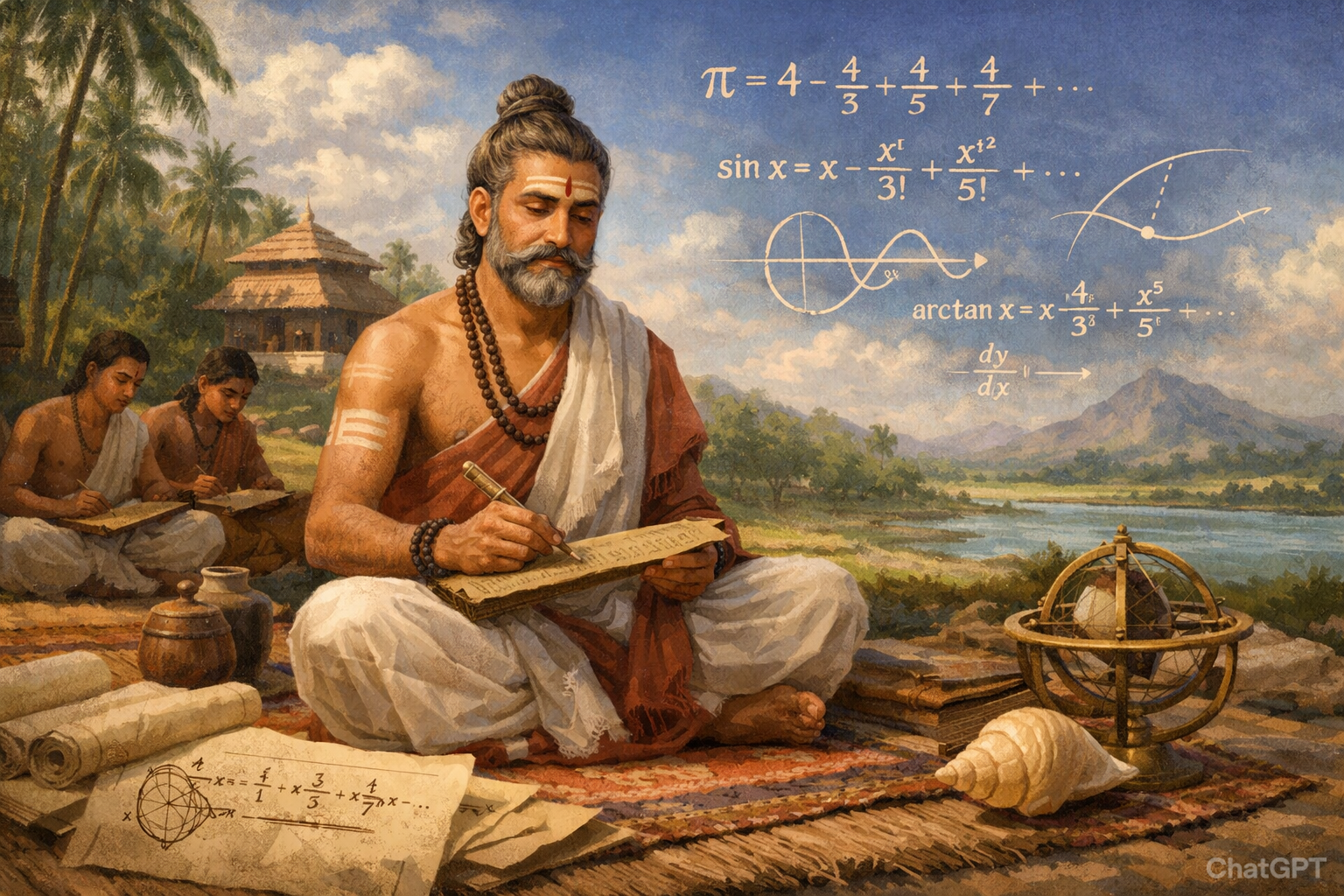
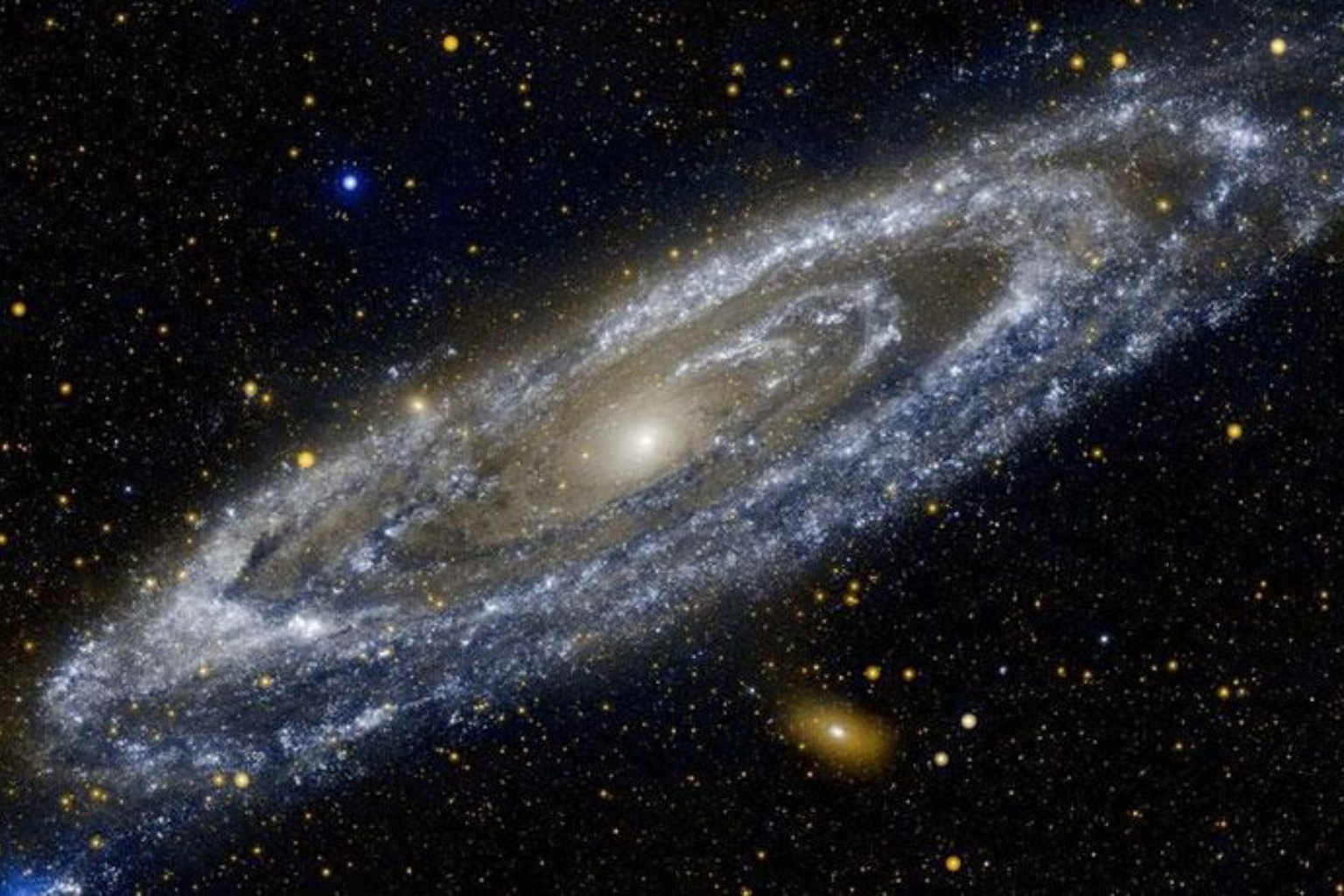
For thousands of years, Indian sages, rishis, and yogis pursued knowledge through deep meditation, yoga, and spiritual inquiry. Their quest was not limited to the material world but extended to understanding existence, soul, the universe, galaxies, and the multiverse. These insights were carefully recorded in Sanskrit, a refined Hindu language of intellectual and spiritual expression.
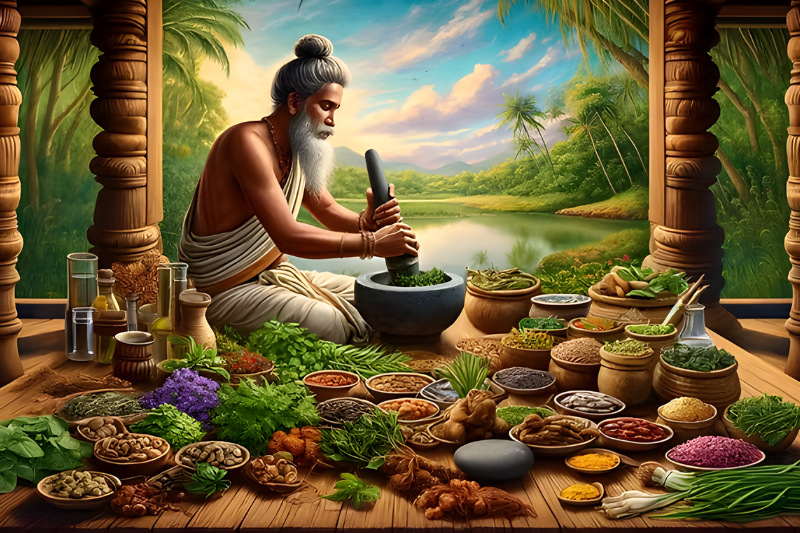
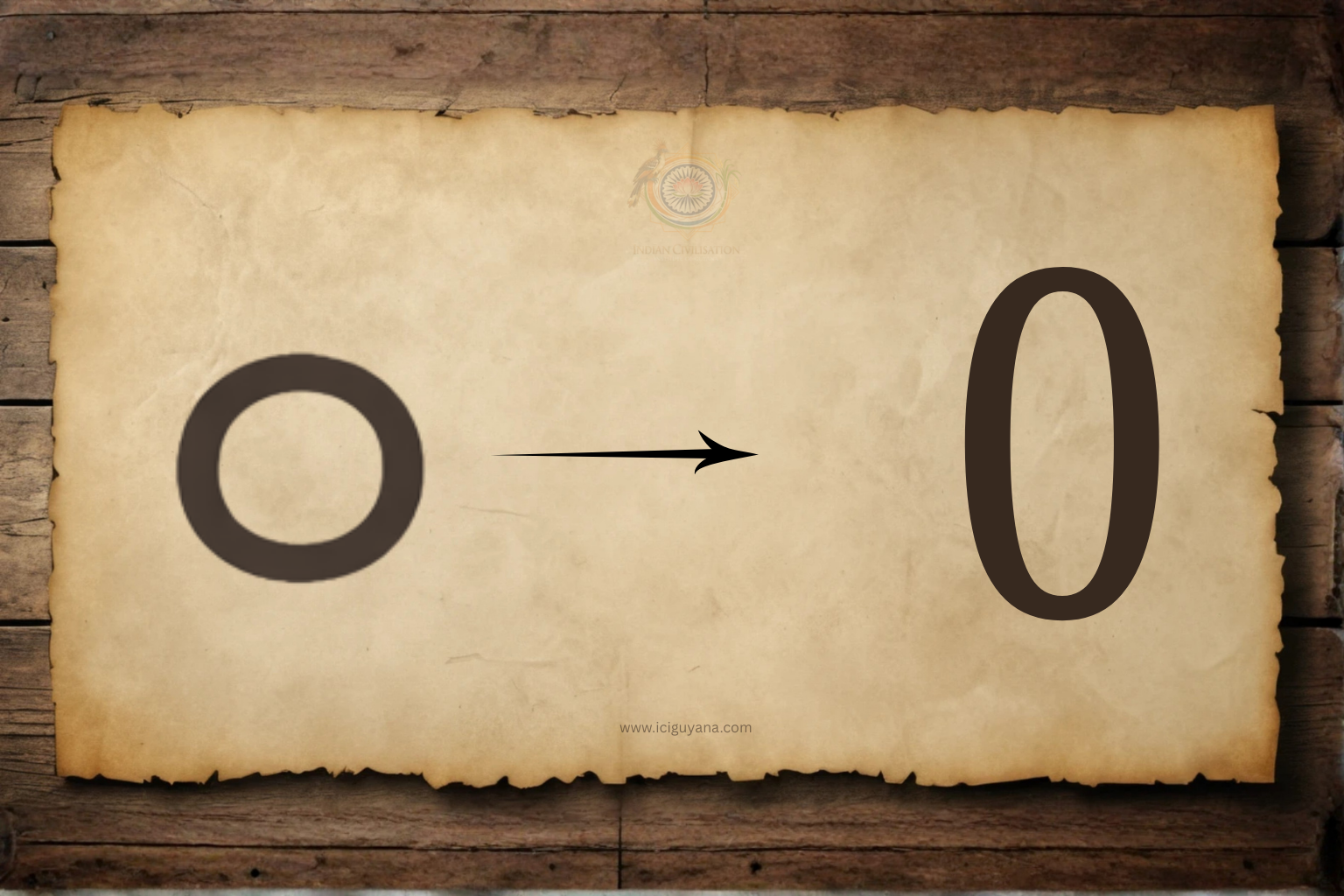
Through these texts, Indian civilisation contributed profound knowledge on spirituality, Sanatan Dharma, reincarnation, the nature of the Atma (soul), astronomy, mathematics, algorithms, Ayurveda, medicine, ethics, and philosophy. These teachings continue to influence global thought and holistic living even today.

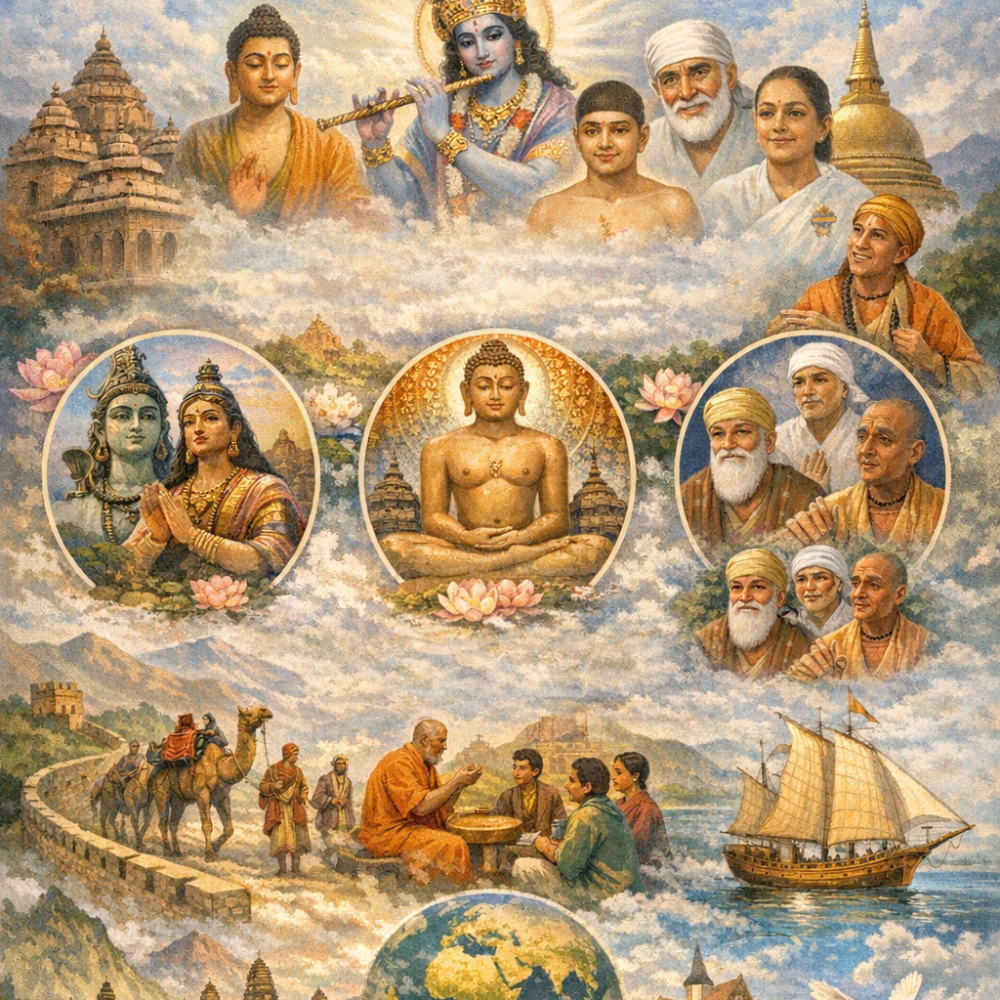
India gifted the world major spiritual traditions, including Hinduism, Buddhism, Jainism, Sikhism, and later movements such as those inspired by Sai Baba, the Brahma Kumaris, and the Hare Rama Hare Krishna tradition. These philosophies and practices have found followers across Europe, North America, Africa, and other regions, reflecting their universal appeal.
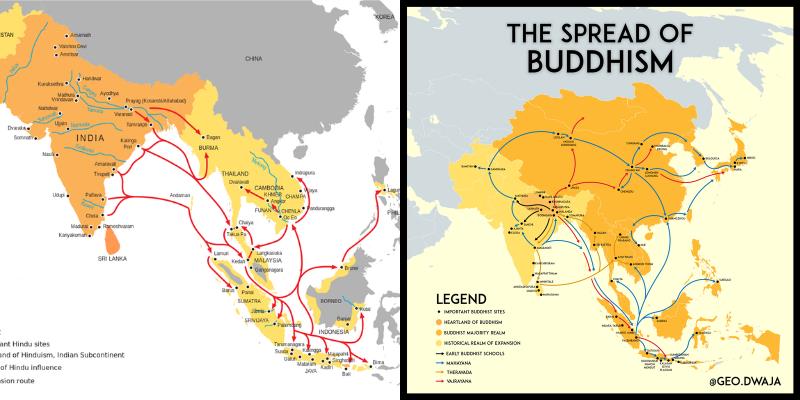
Unlike many historical civilisations, Indian culture spread peacefully—without conquest or force. Its ideas travelled naturally through learning, trade, and spiritual exchange, leaving a deep and lasting imprint across Asia and the world.

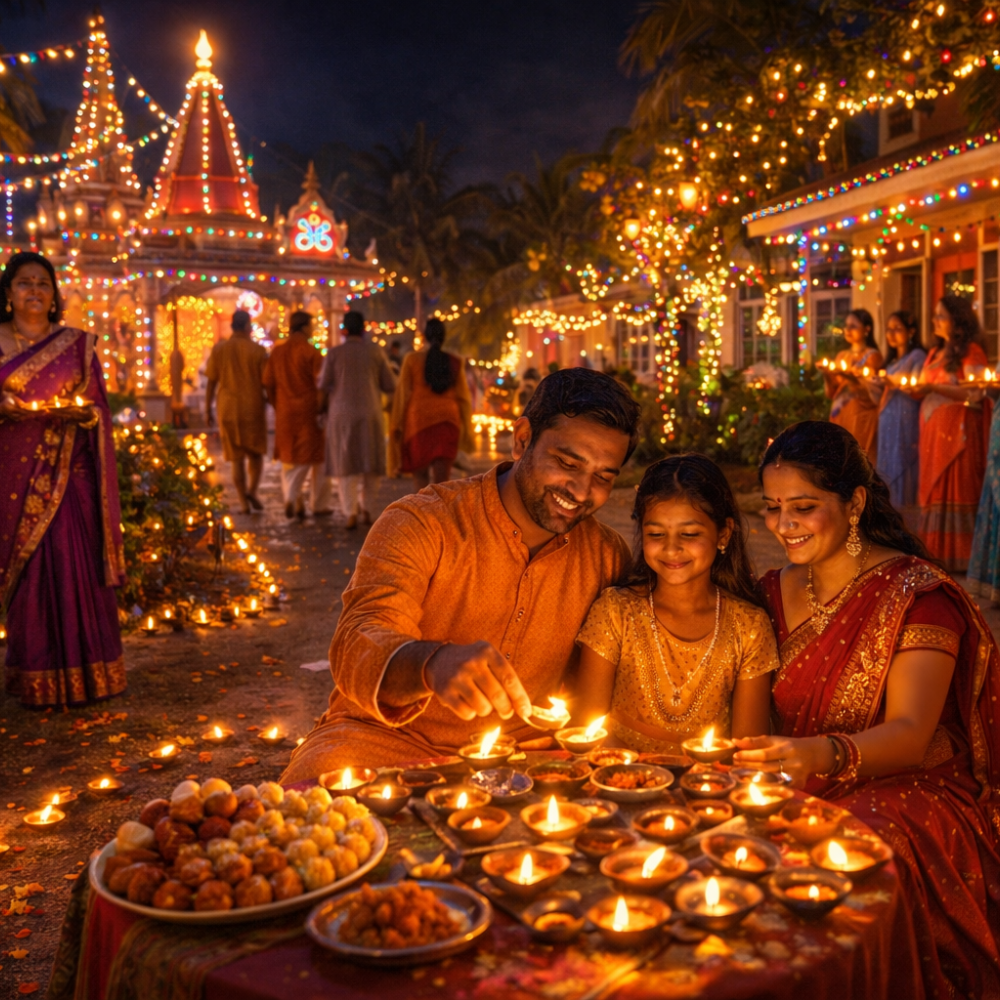
Diwali, the festival of lights, is one of the most spiritually significant celebrations for Indo-Guyanese people in Guyana. Homes, temples, and streets are beautifully decorated with diyas, candles, and electric lights to represent the victory of light over darkness and good over evil. Families perform Lakshmi puja, prepare traditional vegetarian meals and sweets, and visit relatives to exchange greetings and gifts. Cultural programmes, bhajans, and community events are common, especially at mandirs and cultural centres. Diwali is also recognised nationally in Guyana, highlighting the lasting cultural influence and deep-rooted heritage of the Indo-Guyanese community.

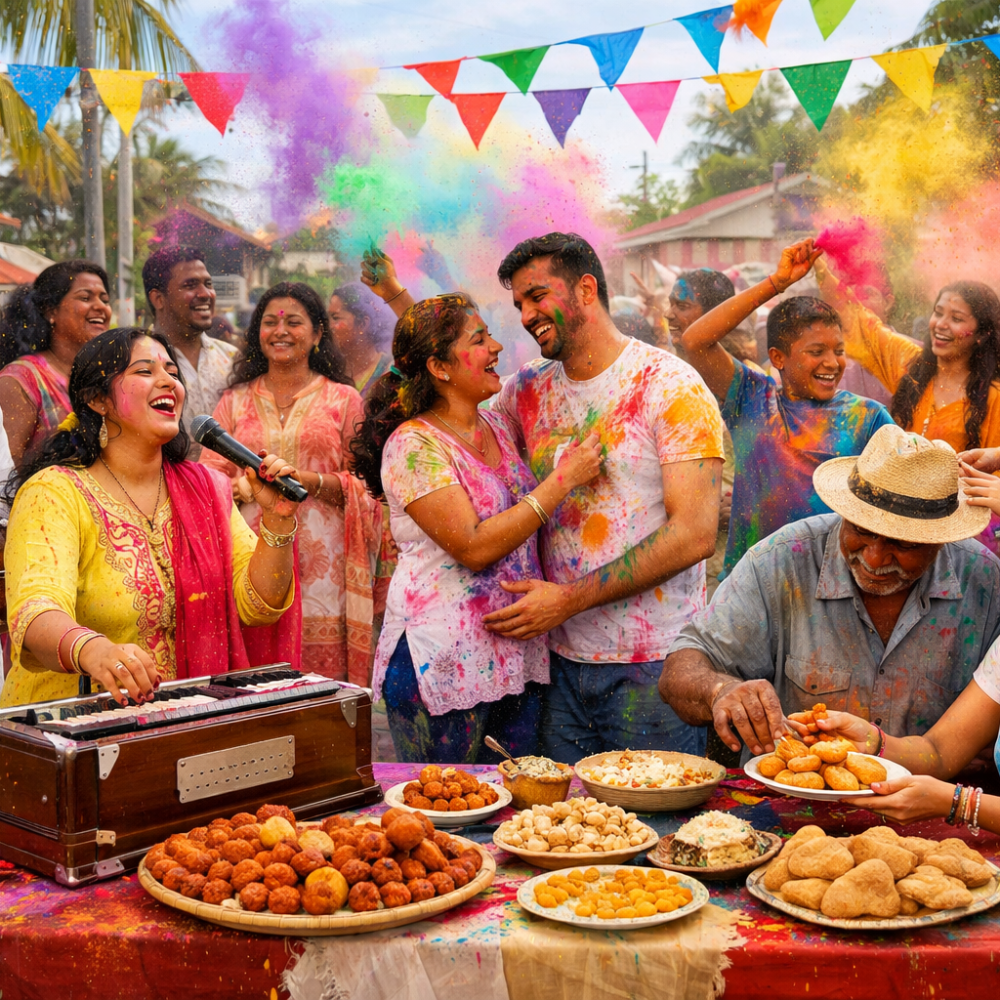
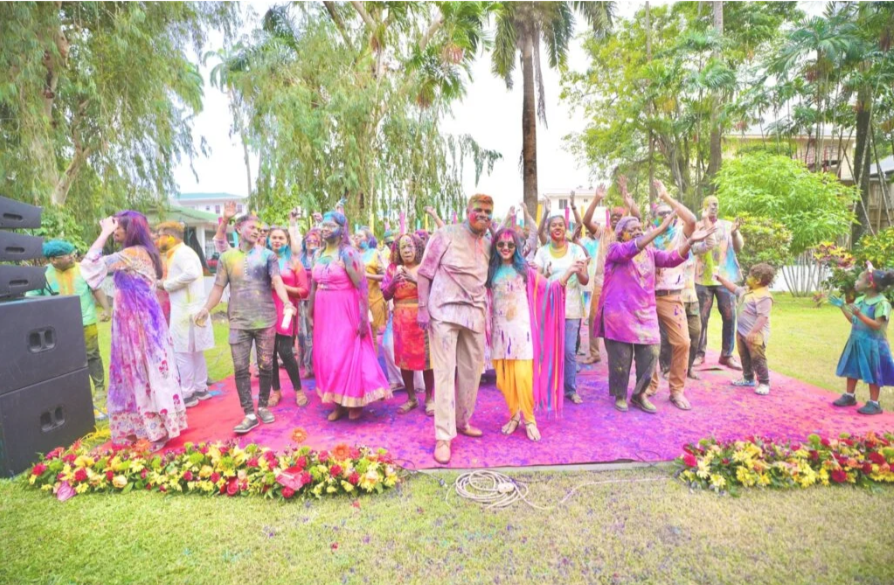
Holi is celebrated by the Indo-Guyanese community as a vibrant and joyful festival that symbolises love, renewal, and the triumph of good over evil. Across villages and towns in Guyana, families and friends gather to play with abeer and coloured powders, sing traditional chowtals and bhajans, and enjoy lively music and dance. The celebration often begins with prayers and cultural songs, followed by communal festivities where food and sweets are shared generously. Holi in Guyana is inclusive in nature, with people of different ethnic and religious backgrounds joining the celebrations, reflecting national unity and the strong preservation of Indian traditions.

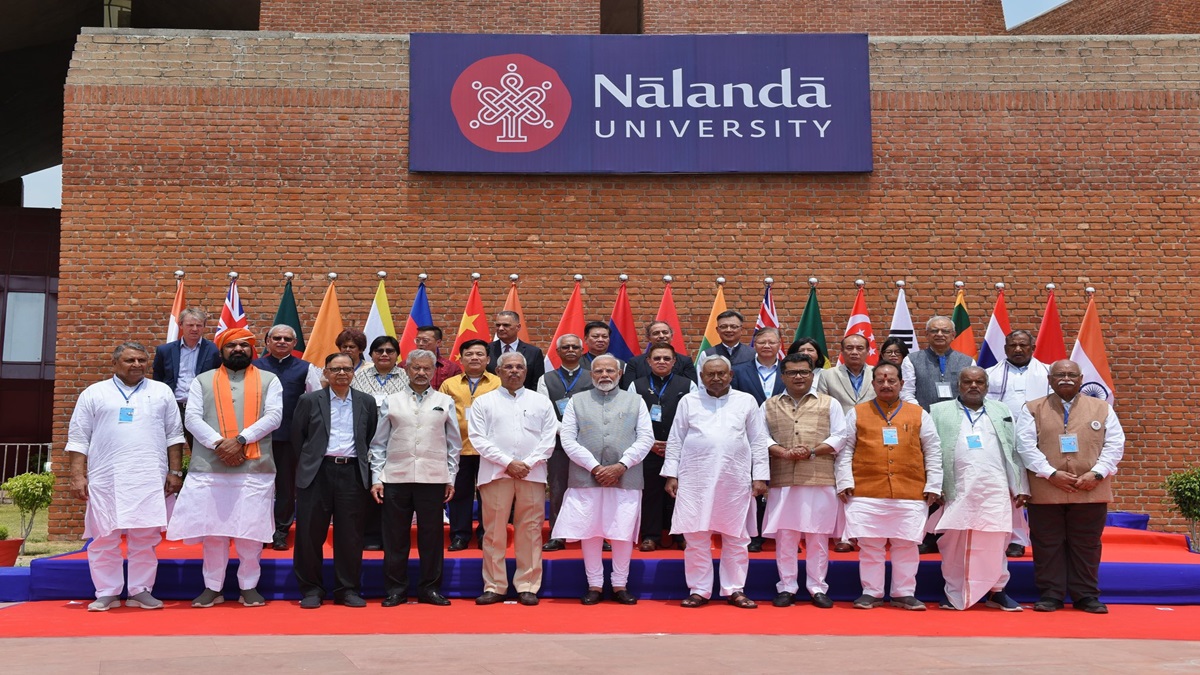
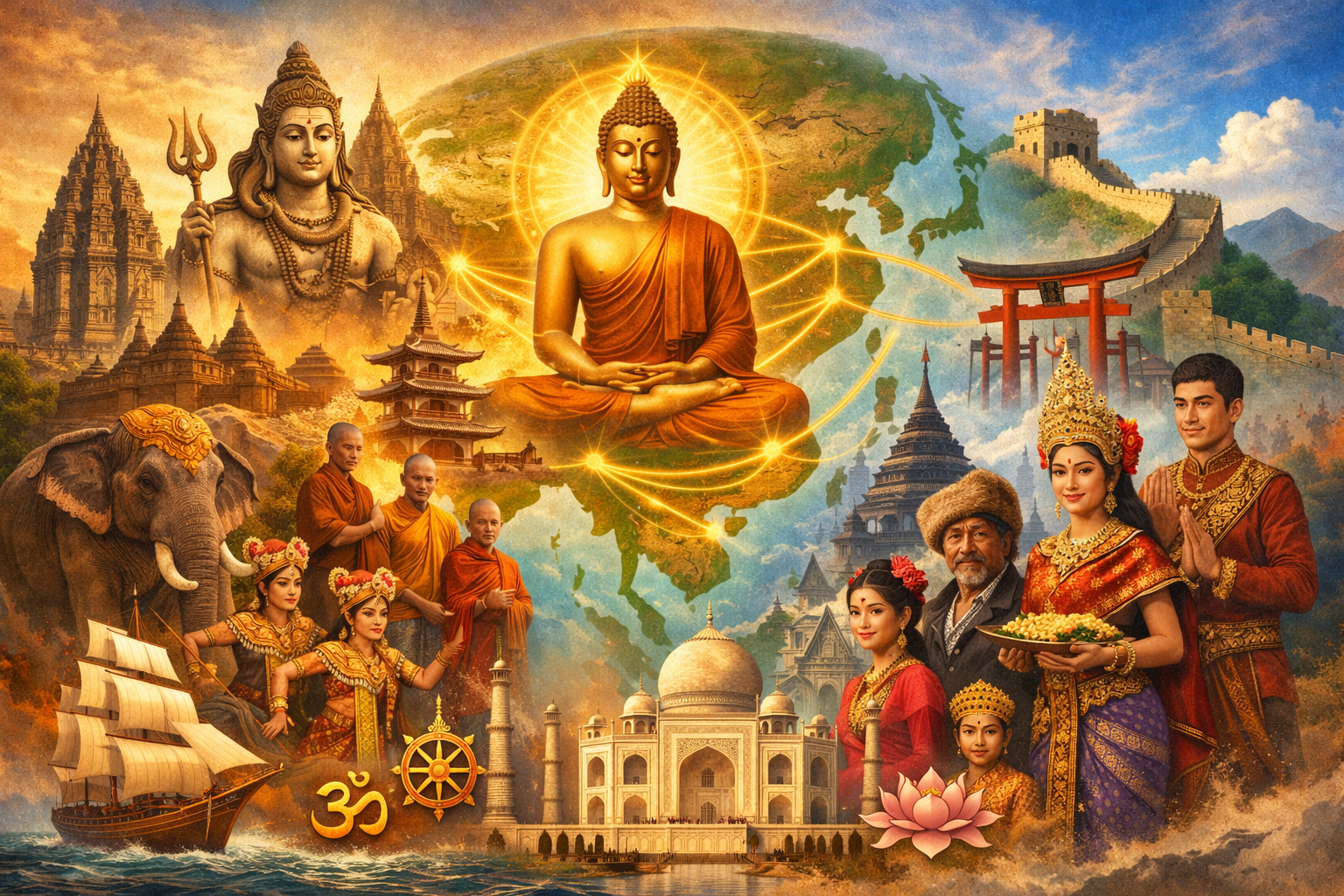
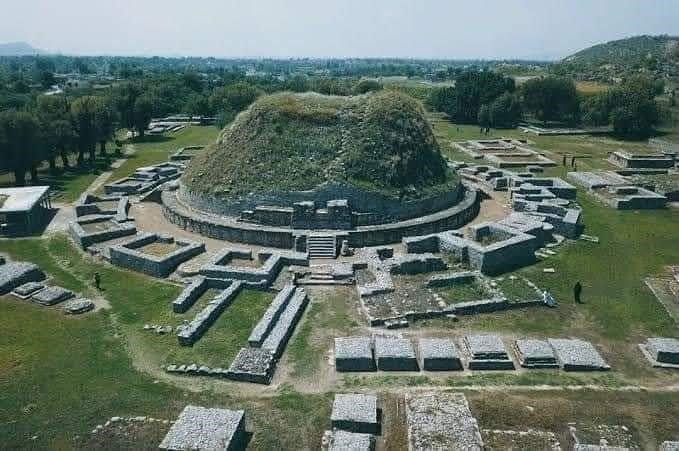
Countries such as China, Japan, Korea, Indonesia, Thailand, Myanmar, Vietnam, Malaysia, Taiwan, Tibet, Mongolia, Cambodia, Laos, Afghanistan, and the Philippines absorbed Indian religious and cultural traditions, particularly Buddhism and Hinduism. Today, Asia—home to more than half of the world’s population—continues to reflect Hindu and Buddhist philosophies in daily life, values, and customs.
China’s adoption of Buddhism is a notable example of this exchange. The teachings of Lord Gautama Buddha, born in Bihar, India, were embraced and later transmitted across East Asia by Chinese Buddhist monks and sages. China was instrumental in converting Japan and other Asian countries to Buddhism. For example, it was not only Buddhism that China embraced from India. The Indian Buddhist monk Bodhidharma, from South India, played a significant role in this cultural bridge by introducing meditation, yoga, and Indian martial traditions to the Shaolin Temple in China, laying the foundation for what later became known as Kung Fu.