Jainism
Jainism is one of the most ancient spiritual traditions of India, with roots that trace back thousands of years. It is not founded by a single individual but is shaped by the teachings of 24 Tirthankaras, or spiritual teachers, the last of whom was Vardhamana Mahavira in the 6th century BCE. Mahavira systematised and revitalised the Jain doctrine, emphasising rigorous ethical living, self-discipline, and the pursuit of liberation through non-violence and truth. Jainism emerged within the broader spiritual environment of ancient India, alongside Hindu and Buddhist traditions, yet developed its own distinct philosophical identity.
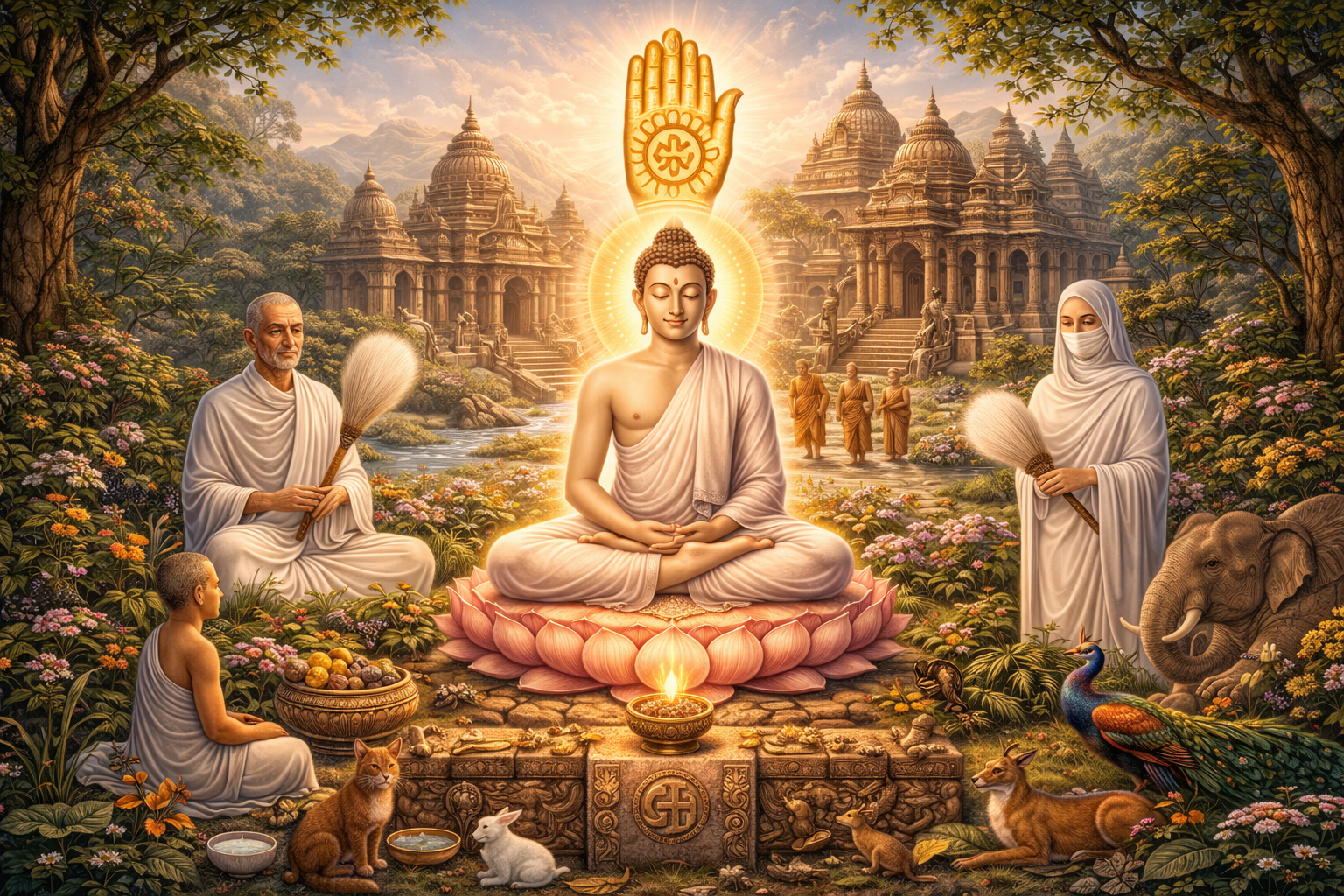
At the heart of Jainism lies the principle of Ahimsa, or absolute non-violence. While non-violence is valued in many traditions, Jainism elevates it to the highest spiritual law. Jains believe that all living beings — humans, animals, insects, plants, and even microscopic organisms — possess a soul (jiva). Harming any living being generates negative karma, which binds the soul to the cycle of birth and rebirth. Therefore, extreme care in thought, word, and action is central to Jain practice. This commitment to non-violence extends to vegetarianism, careful speech, and mindful living.
Another key principle is Anekantavada, the doctrine of multiple viewpoints. Jain philosophy teaches that truth and reality are complex and cannot be fully understood from a single perspective. This principle encourages intellectual humility and tolerance, promoting dialogue rather than dogmatism. It reflects Jainism’s deeply analytical and logical approach to metaphysics and ethics.
Jain spiritual practice revolves around the purification of the soul. According to Jain belief, every soul is inherently pure, possessing infinite knowledge, perception, bliss, and energy. However, it is bound by karma accumulated through actions and attachments. Liberation (moksha) is achieved by eliminating karmic bondage through strict ethical conduct, meditation, self-restraint, and ascetic discipline. The path to liberation is outlined through the Three Jewels: Right Faith, Right Knowledge, and Right Conduct.
Monasticism plays a central role in Jain tradition. Jain monks and nuns follow extremely strict codes of conduct, renouncing worldly possessions and practicing deep austerity. Some even wear simple white robes (Shvetambara tradition), while others renounce clothing altogether (Digambara tradition), symbolising complete detachment. Lay followers also observe vows, though in less rigorous forms, balancing spiritual practice with household life.
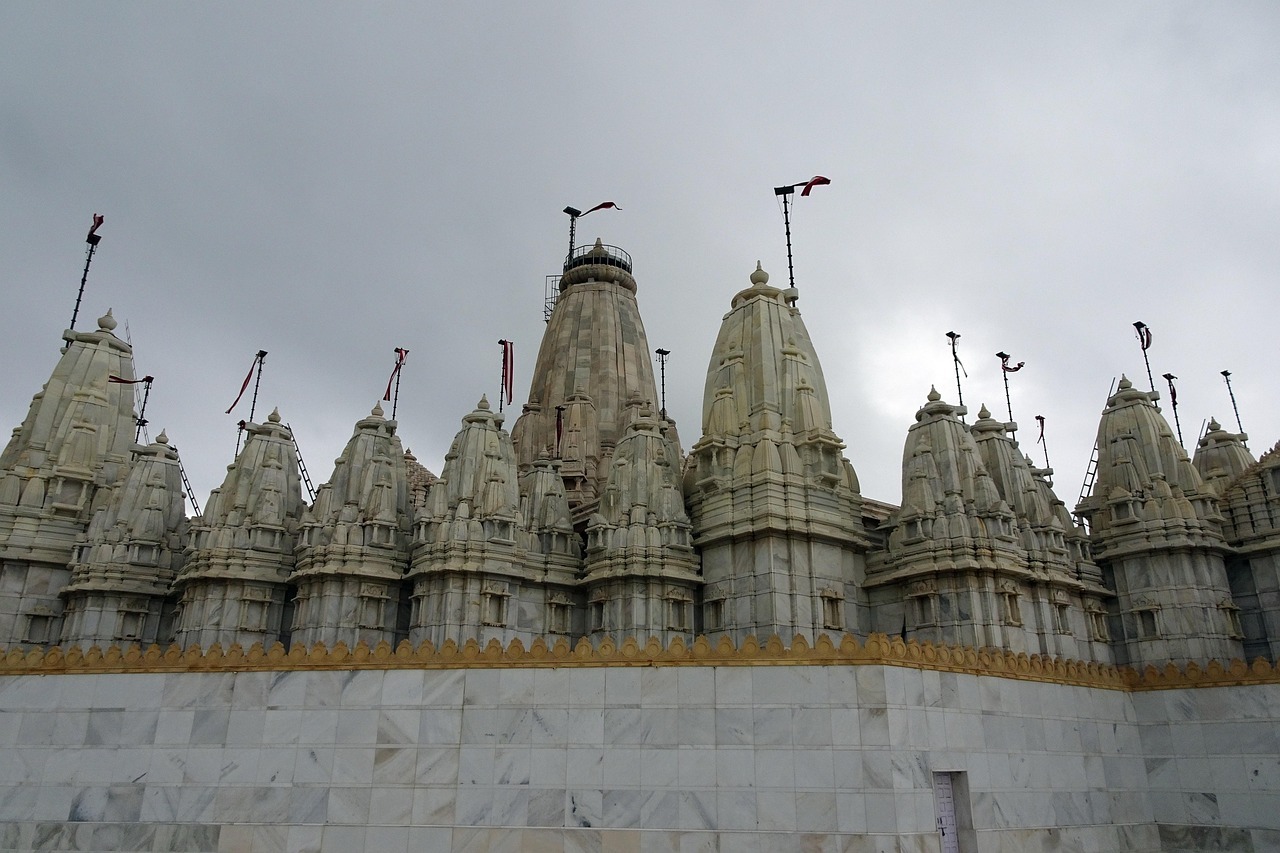
Jain culture has contributed significantly to India’s art, architecture, and literature. Magnificent Jain temples, such as those at Mount Abu (Dilwara Temples), Ranakpur, and Shravanabelagola, are renowned for their intricate marble carvings and architectural precision. Jain manuscripts and philosophical texts have enriched classical Indian scholarship, particularly in logic, mathematics, and ethics. The community has historically valued education, trade, and philanthropy, contributing to social and economic development in various regions.
Despite being a relatively small community in numbers, Jains have had a profound impact on Indian civilisation. The principle of ahimsa deeply influenced later thinkers, including Mahatma Gandhi, whose philosophy of non-violent resistance drew inspiration from Jain ethics. Jain dietary practices and ecological sensitivity also resonate strongly in contemporary discussions about sustainability and compassionate living.
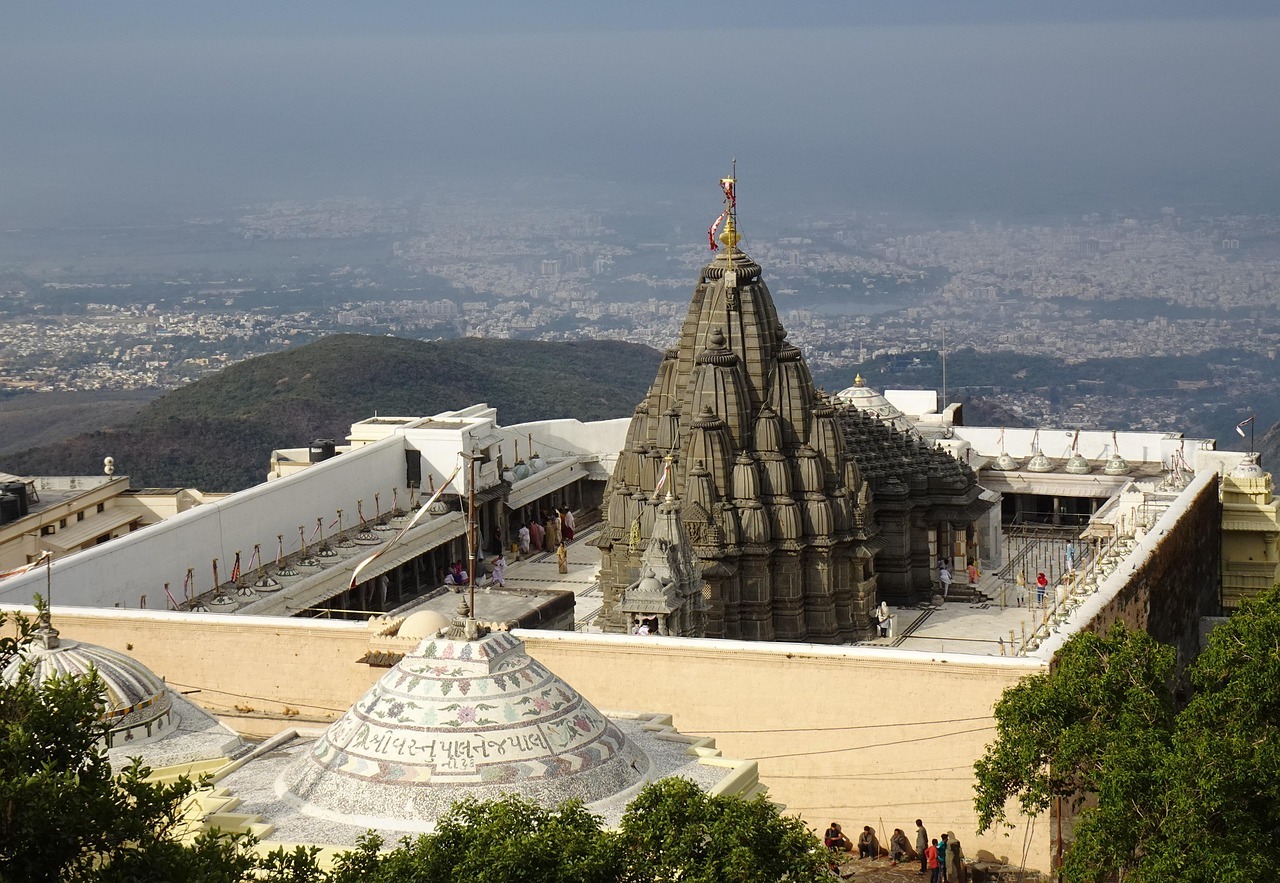
Jainism remains a living tradition today, guided by ancient teachings yet adaptable to modern life. Its emphasis on non-violence, truth, self-discipline, and respect for all forms of life offers a timeless ethical framework. More than a religion, Jainism represents a disciplined way of life aimed at inner purification and universal compassion, reminding humanity of the profound spiritual responsibility it carries toward every living being.