Indian Music
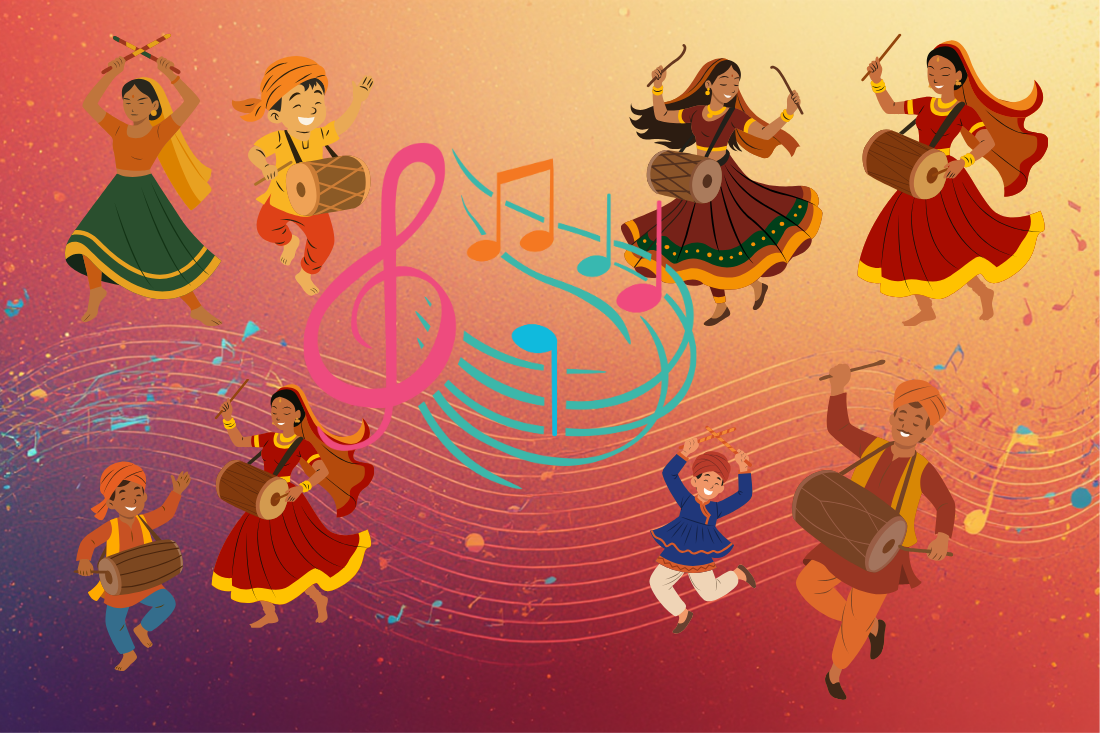
Indian music is a deeply spiritual and expressive art form that reflects the soul of the nation. Rooted in ancient traditions, it evolved into two major classical systems—Hindustani music in North India and Carnatic music in South India. Both systems are based on ragas (melodic frameworks) and talas (rhythmic cycles), allowing musicians to blend discipline with creative improvisation. Music in India has traditionally been associated with devotion, meditation, and storytelling.
Over time, Indian music expanded beyond classical forms to include folk, devotional, and contemporary styles. Regional folk music narrates stories of everyday life, festivals, and history, while devotional music such as bhajans and kirtans fosters spiritual connection. Indian music continues to influence global genres and remains a powerful symbol of the country’s emotional depth, cultural diversity, and artistic excellence.
Indian Songs
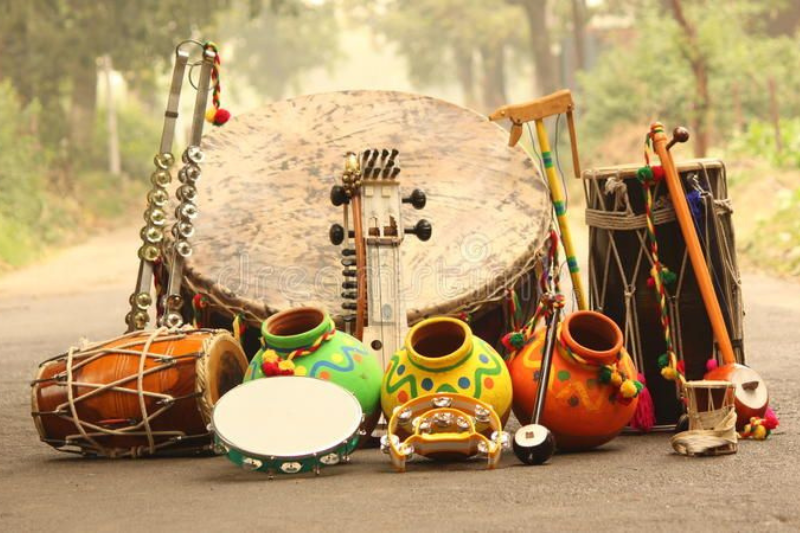
Indian songs are an integral part of the country’s cultural fabric, seamlessly blending music, poetry, and emotion. From ancient devotional hymns and folk ballads to modern film songs, Indian songs reflect themes of love, spirituality, nature, and social life. Lyrics often draw inspiration from classical literature, mythology, and regional traditions, making songs a living archive of India’s cultural history.
In contemporary times, Indian songs—especially through cinema—have gained worldwide recognition. Film music bridges classical traditions with modern sounds, reaching audiences across generations and cultures. Whether sung during festivals, weddings, or everyday moments, Indian songs continue to unite people, preserve linguistic diversity, and express the collective emotions of the nation.