
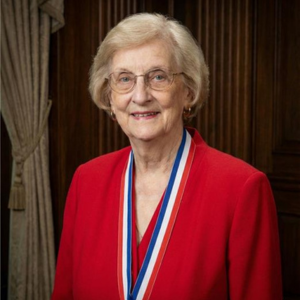
Janet Jagan, though born in the United States, became one of the most influential figures in Guyana’s political and social history through her lifelong partnership with Dr. Cheddi Jagan and her unwavering commitment to the Guyanese people. After arriving in British Guiana in the 1940s, she immersed herself fully in the struggles of workers, women, and marginalized communities, quickly becoming a respected activist and leader. As a co-founder of the People’s Progressive Party (PPP), she played a crucial role in shaping the party’s vision of social justice, equality, and national unity.
Throughout her political career, Janet Jagan held several key positions, including Minister of Labour, Health, and Home Affairs, where she championed workers’ rights, improved healthcare access, and strengthened social welfare systems. She was also a strong advocate for education, culture, and the arts, believing these were essential to building a confident and inclusive nation. Her efforts to preserve and promote the cultural heritage of Indo-Guyanese—especially the descendants of Indian indentured labourers—went hand in hand with her broader commitment to unity among all ethnic groups in Guyana.
In 1997, Janet Jagan became President of Guyana, marking a historic moment as the country’s first female head of state. Her presidency symbolized resilience, service, and dedication to democratic principles. Even beyond office, she remained a powerful voice for peace, fairness, and national development. Janet Jagan’s legacy endures as one of selfless service, intellectual strength, and deep respect for the diverse communities that together form the Guyanese nation.