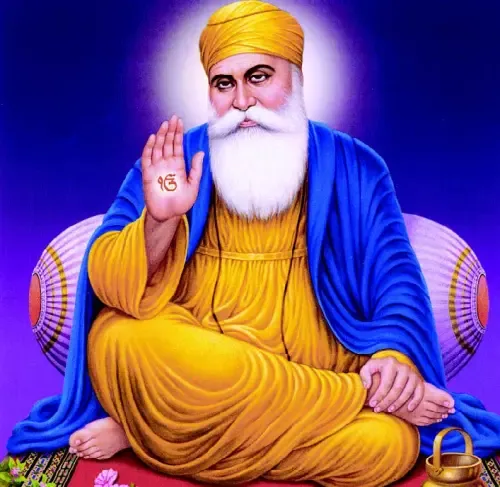
Sikhism
Sikhism is one of the youngest major world religions, founded in the 15th century in the Punjab region of the Indian subcontinent. It began with the teachings of Guru Nanak Dev Ji, who emphasised devotion to one God, truthful living, equality of all human beings, and service to humanity. Over the next two centuries, nine successive Gurus shaped and strengthened the Sikh community, giving it spiritual depth, moral clarity, and institutional structure. Sikhism emerged during a time of social division and religious conflict, offering a message of unity, justice, and direct connection with the Divine.
At the heart of Sikh belief is faith in one formless, timeless God, referred to as Waheguru. Sikhism rejects idol worship and ritualism, focusing instead on sincere devotion, remembrance of God’s name (Naam Simran), and ethical living. The sacred scripture of Sikhism, the Guru Granth Sahib, is regarded not merely as a holy book but as the eternal Guru. It contains hymns composed by the Sikh Gurus as well as devotional verses from saints of different backgrounds, reflecting the inclusive spirit of the faith.
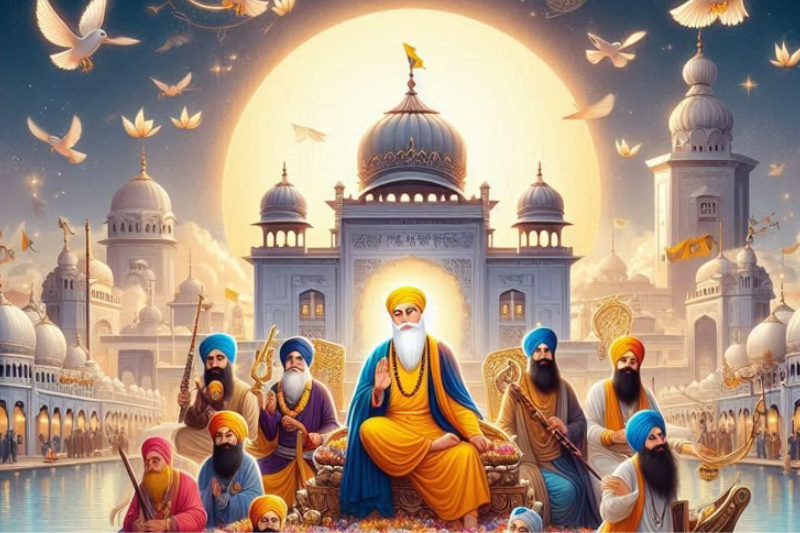

Equality is a central pillar of Sikh philosophy. Guru Nanak strongly opposed caste discrimination, gender inequality, and social injustice. Sikh teachings affirm that all human beings are equal before God, regardless of religion, race, gender, or status. This principle is visibly practiced in the institution of Langar, the community kitchen established by the Gurus, where people from all backgrounds sit together and share a common meal. Langar symbolises humility, service, and unity.
The Sikh way of life is built upon three foundational principles taught by Guru Nanak: Naam Japna (remembering God), Kirat Karni (earning an honest living), and Vand Chakna (sharing with others). Sikhs are encouraged to live as householders, balancing spiritual devotion with social responsibility. The faith does not promote renunciation of the world but encourages active engagement in society guided by righteousness and compassion.
A defining moment in Sikh history came with Guru Gobind Singh Ji, the tenth Guru, who established the Khalsa in 1699. The Khalsa was formed to uphold justice, defend the oppressed, and maintain spiritual discipline. Initiated Sikhs adopt the Five Ks — Kesh (uncut hair), Kara (steel bracelet), Kanga (comb), Kirpan (ceremonial sword), and Kachera (special garment) — as symbols of commitment, courage, and identity. The Khalsa tradition reflects Sikhism’s emphasis on both spiritual devotion and readiness to stand against injustice.
Sikh history includes periods of persecution and struggle, during which the community demonstrated remarkable resilience and bravery. The Gurus and countless followers made sacrifices to defend religious freedom and human dignity. These sacrifices shaped Sikh identity as a faith rooted in courage, honour, and unwavering faith in divine justice.
Culturally, Sikhism has contributed richly to music, poetry, architecture, and community service. The Golden Temple in Amritsar stands as the holiest Sikh shrine and a symbol of spiritual serenity combined with humanitarian service. Sikh devotional music, known as Kirtan, plays a central role in worship, conveying spiritual teachings through melody and verse.
Today, Sikhism is a vibrant global faith with communities across India, the United Kingdom, Canada, the United States, and many other countries. Sikhs are widely recognised for their spirit of service, disaster relief efforts, entrepreneurship, and strong community bonds. The values of hard work, generosity, and fearless defence of justice continue to define Sikh identity.
Sikhism ultimately represents a balanced path — deeply spiritual yet socially engaged, rooted in devotion yet committed to equality and action. It teaches that true faith lies not in ritual alone but in living truthfully, serving others selflessly, and standing firmly for righteousness.