Hinduism

Hinduism is not merely a religion in the conventional sense but a vast civilisational tradition that has shaped the spiritual, cultural, and intellectual life of India for millennia. Often referred to as Sanatana Dharma, meaning the “eternal way” or “eternal law,” Hinduism represents a continuous and evolving stream of beliefs, practices, philosophies, and social values that have adapted across centuries while retaining a deep spiritual core. Its origins lie in the ancient Vedic civilisation of the Indian subcontinent, and over time it absorbed regional traditions, folk practices, philosophical inquiry, and devotional movements into a broad and inclusive spiritual framework.
At the heart of Hindu thought lies a profound metaphysical inquiry into the nature of reality. Concepts such as Brahman (the ultimate, formless reality) and Atman (the inner self or soul) form the philosophical foundation of many Hindu schools. The Upanishadic idea that the individual soul is ultimately one with the universal consciousness has influenced generations of thinkers and spiritual seekers. Unlike religions centered around a single prophet or fixed doctrine, Hinduism allows room for both monotheism and polytheism, for devotion to a personal deity and meditation on a formless absolute. This theological flexibility is one of its defining strengths.
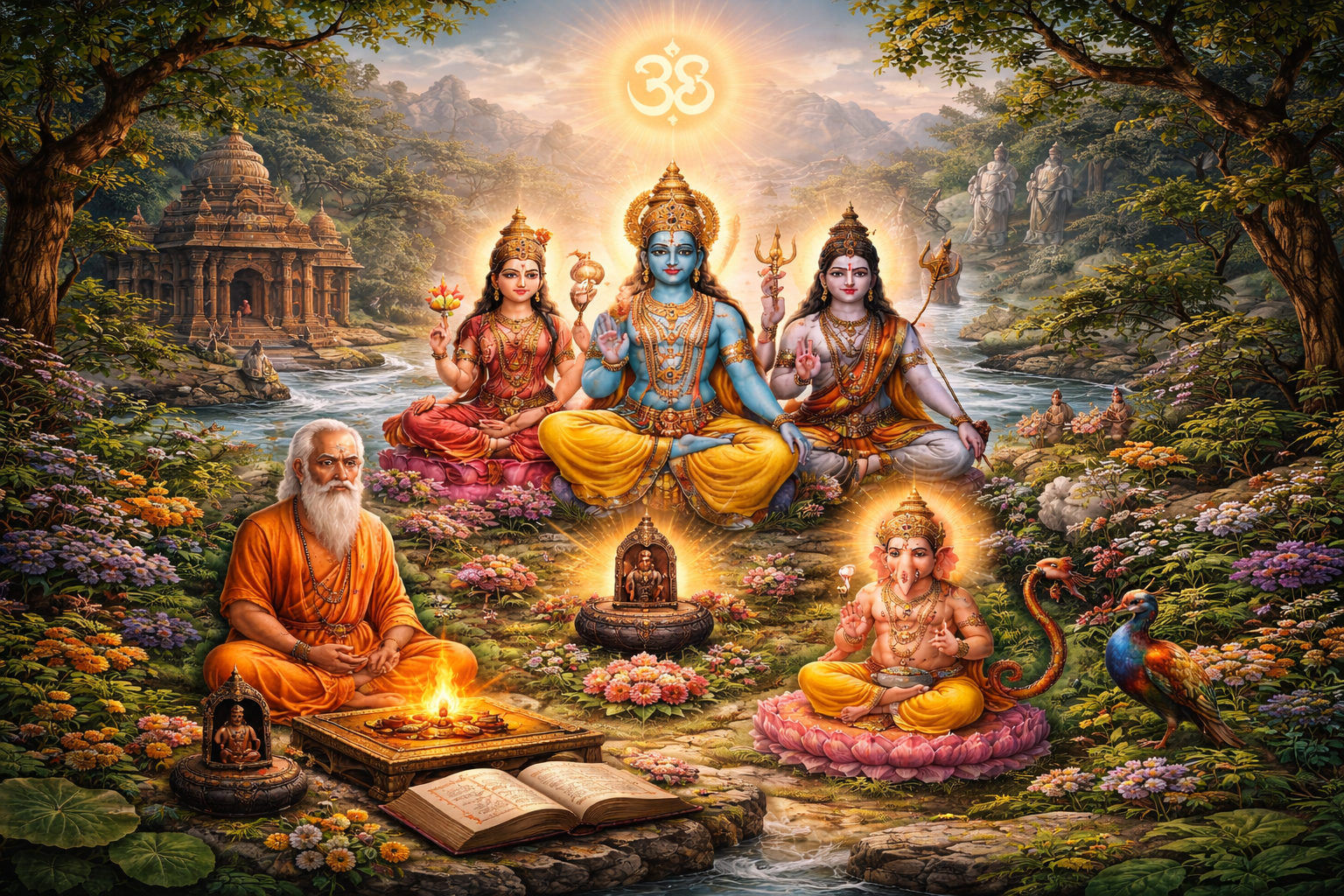
Hindu culture is deeply intertwined with everyday life. Festivals such as Diwali, Holi, Navaratri, Durga Puja, Pongal, and Raksha Bandhan are not only religious observances but also cultural celebrations that reinforce family bonds, seasonal cycles, and community harmony. These festivals reflect stories from epics like the Ramayana and Mahabharata, which continue to influence moral imagination and social ideals. Through rituals, music, dance, storytelling, and temple traditions, Hindu culture transmits its values from one generation to the next.

The social and ethical framework of Hindu civilisation has historically revolved around the concept of dharma, which guides personal conduct, social responsibility, and cosmic order. Dharma is not merely law but a moral compass tailored to different stages of life and social roles. The traditional system of ashramas — brahmacharya (student life), grihastha (householder life), vanaprastha (retirement), and sannyasa (renunciation) — outlines a holistic view of human development, balancing material pursuits with spiritual growth.
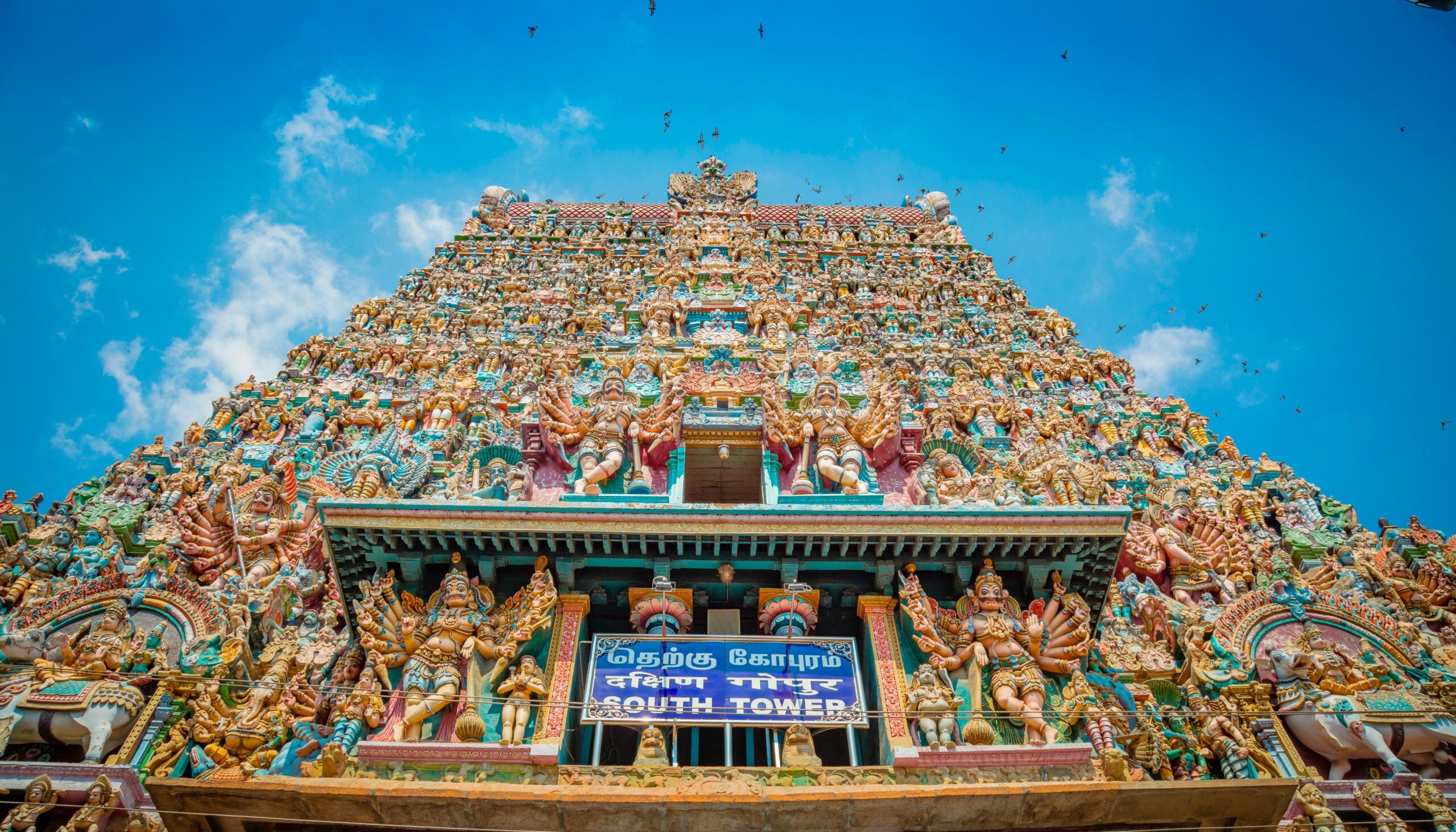
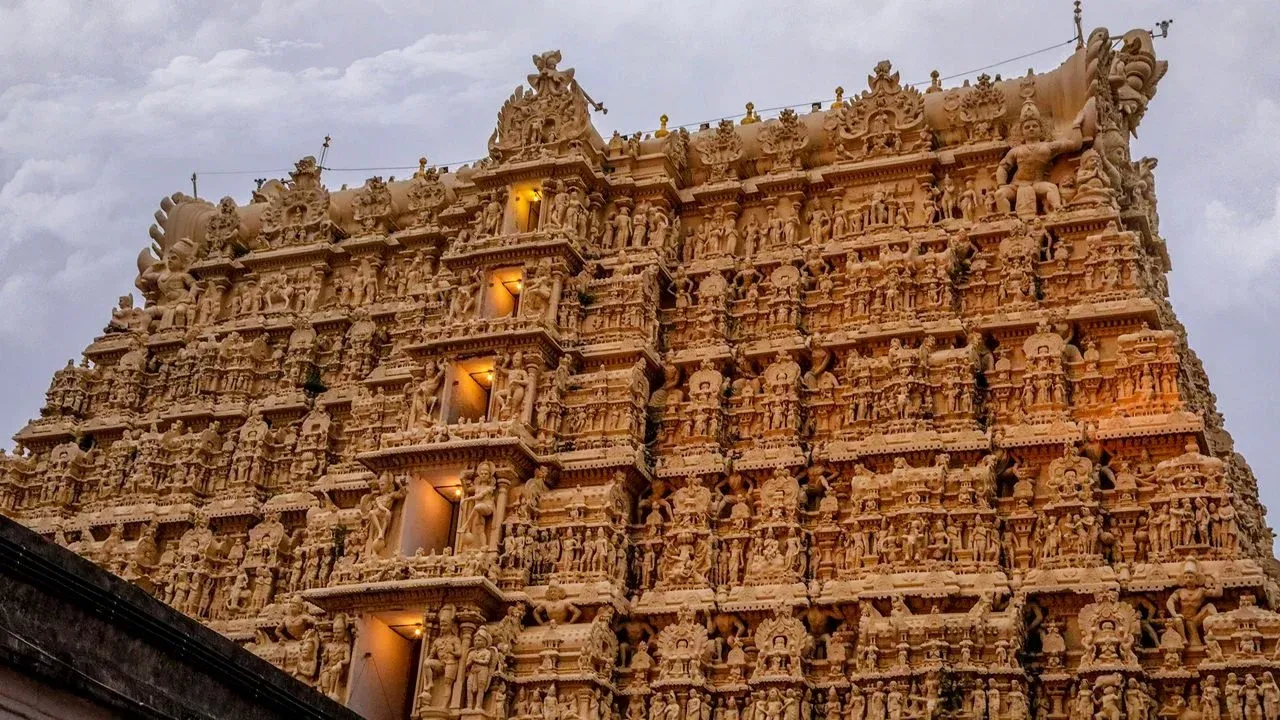
Hinduism has also given rise to rich artistic and intellectual traditions. Classical Indian dance forms such as Bharatanatyam, Kathak, Odissi, and Kuchipudi evolved within temple culture and devotional expression. Sacred architecture, seen in temples from Tamil Nadu to Odisha to Gujarat, reflects intricate symbolism and cosmological principles. Sanskrit literature, philosophical treatises, poetry, and commentaries demonstrate the depth of intellectual engagement within Hindu civilisation. Even sciences such as mathematics, astronomy, and medicine (Ayurveda) developed within this broader spiritual worldview that saw knowledge as sacred.
A remarkable feature of Hinduism is its ability to accommodate reform and renewal. Over centuries, spiritual movements such as the Bhakti movement made devotion accessible to all, cutting across rigid social hierarchies. Philosophical schools such as Advaita Vedanta, Dvaita, and Vishishtadvaita offered diverse interpretations of the same foundational texts. This capacity for reinterpretation allowed Hinduism to remain dynamic rather than static.
Hindu culture also places strong emphasis on harmony with nature. Rivers like the Ganga are revered as sacred, mountains like the Himalayas are seen as abodes of divinity, and animals such as the cow hold symbolic importance. This ecological reverence stems from a worldview that sees divinity permeating all existence. The idea that the universe is interconnected fosters a spiritual respect for life and the environment.
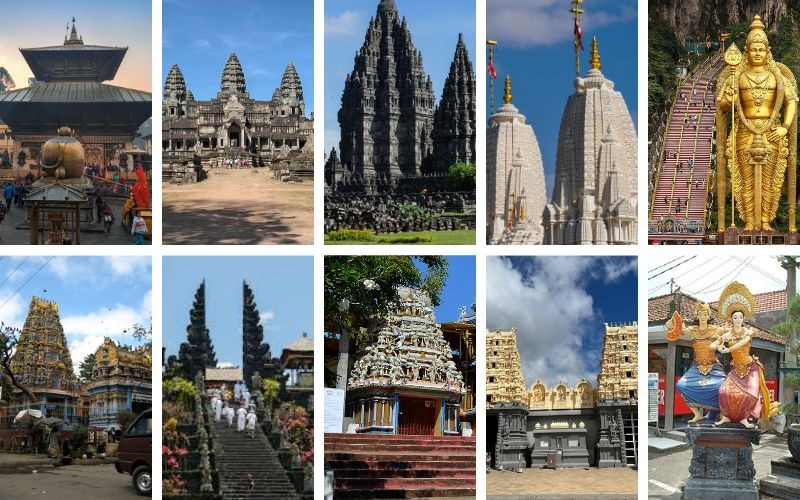
Globally, Hindu thought has influenced philosophical and spiritual discussions far beyond India. Concepts like yoga, meditation, karma, and non-violence have entered global consciousness. Thinkers such as Swami Vivekananda and later spiritual teachers helped present Hindu philosophy to the modern world as a universal spiritual path rooted in tolerance and inner transformation.
Ultimately, Hinduism’s strength lies in its continuity and adaptability. It is both ancient and contemporary, deeply traditional yet open to reinterpretation. As the spiritual foundation of Indian civilisation, it continues to shape ethical values, artistic expression, social customs, and national identity. More than a set of rituals, Hinduism represents a way of life that seeks harmony between the material and the spiritual, the individual and the universal, and humanity and the cosmos.