Taxila (Takshashila): The Ancient University That Defined Early Indian Civilisation
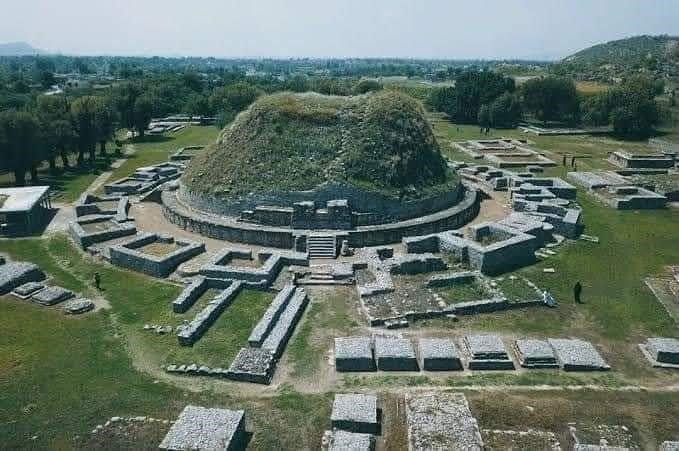
The ancient city of Taxila, historically known as Takshashila, is widely recognised as one of the world’s earliest and most influential centres of higher education. Founded around 700 BC, it thrived as a global hub of learning at a time when structured educational institutions were still unknown in most parts of the world. Taxila served as a symbol of intellectual progress in the Indian subcontinent, attracting over 10,500 students from regions including Central Asia, Persia, and beyond. For thousands of years, the area where Taxila was located was part of a continuous and interconnected Indian civilisational space, a shared heritage that remained intact until the historic division caused by the Partition of India in 1947.
Geographical Location and Strategic Importance
Taxila was strategically located near the banks of the Indus River, in what is today the Punjab province of Pakistan. This location made it a vital link between the Indian subcontinent and Central Asia, serving not only as a centre of learning but also as a crossroads of cultures, trade, and ideas. Its position contributed greatly to its rise as a major intellectual hub, where scholars from diverse regions gathered to exchange knowledge and perspectives.
Foundation and Educational System
Unlike modern universities, Taxila did not operate as a single centralised institution. Instead, it functioned as a decentralised academic environment where students studied under renowned teachers in specialised fields. This unique system allowed for flexibility, depth of learning, and intellectual independence. Students often traveled long distances to learn directly from masters of their chosen disciplines, creating a vibrant academic culture.
The curriculum at Taxila was remarkably diverse and advanced for its time. It included subjects such as medicine, surgery, philosophy, political science, law, grammar, astronomy, economics, and even military strategy. This multidisciplinary approach made Taxila one of the earliest examples of a comprehensive center of higher education in the world.
Renowned Scholars and Intellectual Contributions
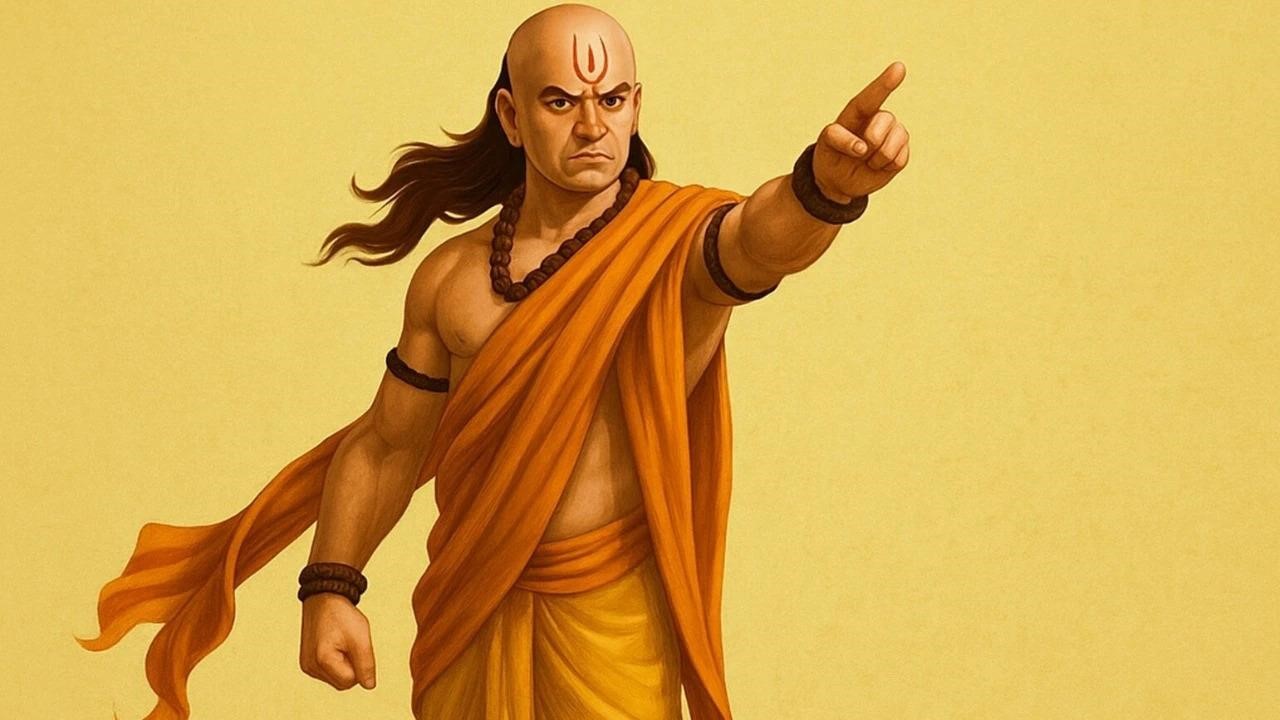
Taxila’s global reputation was built upon the contributions of its distinguished scholars. Among them was Chanakya, also known as Kautilya, a Master of Political Science and economics whose work, the Arthashastra, laid the foundation for governance and statecraft in ancient India. His influence extended into practical politics, playing a key role in the rise of the Mauryan Empire.
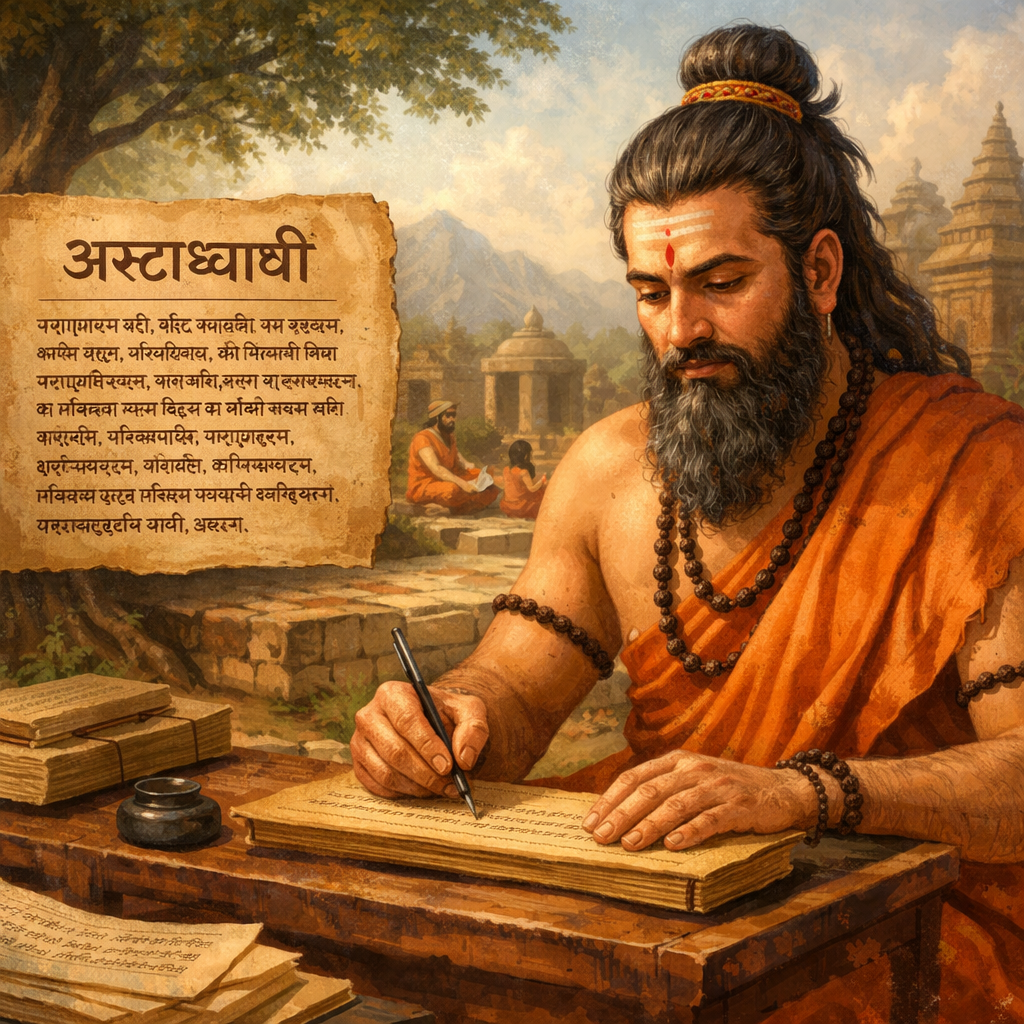
Another towering figure was Panini, whose work on Sanskrit grammar, the Ashtadhyayi, is considered one of the most scientific linguistic treatises ever produced. His contributions continue to influence modern linguistics and language studies.
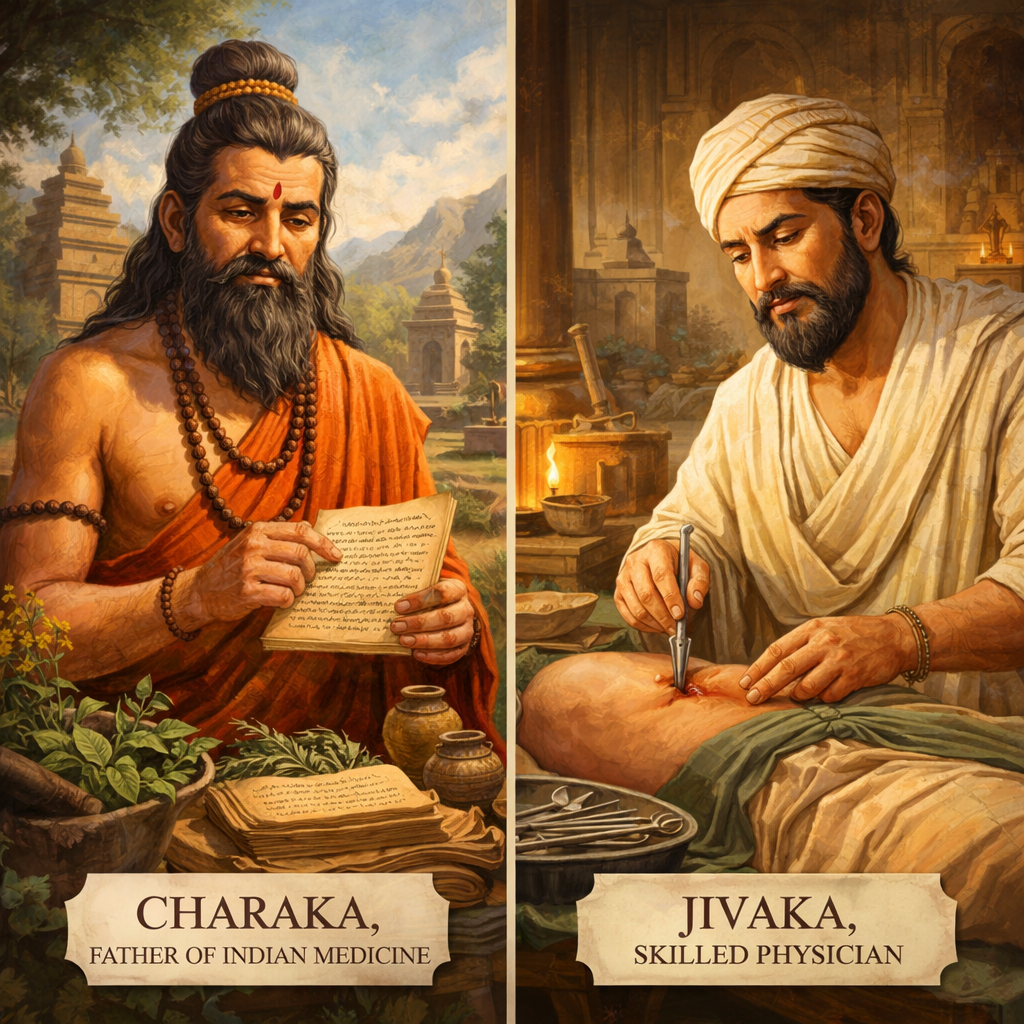
Taxila was also associated with Charaka, a pioneer of Ayurveda often referred to as the father of Indian medicine, and Jivaka, a renowned physician known for his expertise in surgery and healing practices. These scholars not only advanced their respective fields but also contributed to the global legacy of knowledge.
Civilizational Context and Religious Evolution
Taxila flourished long before the emergence of modern nation-states and contemporary religious identities. It developed within the broader framework of ancient Indian civilisation, rooted in Vedic traditions and early Hindu philosophy, and later enriched by Buddhist teachings. The region experienced the rule of several empires, including the Achaemenids, Mauryans, Indo-Greeks, and Kushans, each contributing to its cultural and intellectual diversity.
It is important to recognise that during the time Taxila thrived, the concept of modern Pakistan did not exist, and the region was an integral part of the Indian subcontinent’s shared heritage. Over the centuries, particularly from the early second millennium onward, the subcontinent underwent significant cultural and religious transformations as Islam spread through trade, migration, and political changes. Prior to these developments, regions that are now Pakistan and Bangladesh were home to a range of indigenous traditions, including Hinduism and Buddhism.
Continuity of Social Identity and Historical References
Despite changes in religious identity over time, certain elements of old social and cultural structures have persisted in different forms. In parts of South Asia, including Pakistan and Bangladesh, lineage and community identities remain culturally significant. For example, during his premiership, Pakistan’s Muslim Zulfikar Ali Bhutto publicly acknowledged his Hindu Rajput caste, tracing it back thousands of years, demonstrating how historical roots and identities can persist across generations. Ali Bhutto was very proud of his Rajput caste.
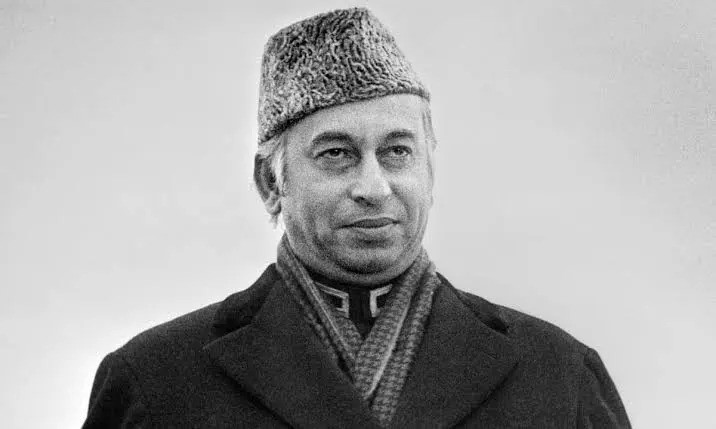
While Islam as a religion emphasises equality and does not support caste-based hierarchy, the ongoing presence of social identity markers in South Asia reflects complex historical and cultural continuities rather than religious doctrine alone. These dynamics underscore the layered and evolving nature of identity in the region.
The Hindu caste system persists among Pakistani and Bangladeshi Muslims. This is a social fabric that converted Muslims cannot easily shed because it is part of their Hindu ancestors, who belonged to the Hindu caste hierarchy for over 4,000 years.
No religion can dismantle the social structure of Hinduism. In Indonesia, some Hindus converted to Islam, but Indonesia has preserved their Hindu traditions to this day.
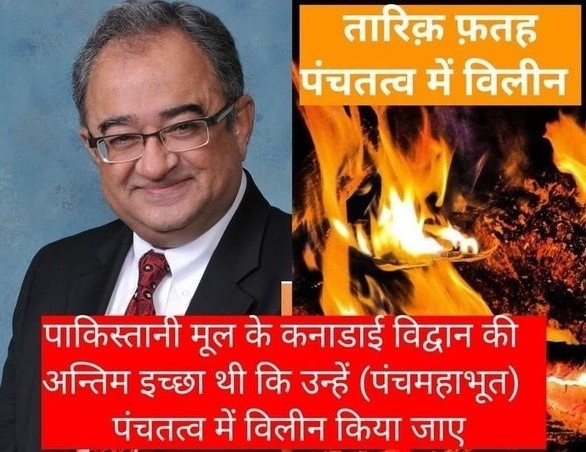
Pakistani Muslim scholar’s last wish was cremated according to Hindu tradition.
Pakistani-origin Canadian writer and thinker Tariq Fatah’s last wish was that he (Panchmahabhoot) should be merged with the Panchatattva so that he could be born again in India, the holy land of his ancestors. He died in Canada.
He was born on 20 November 1949 in a Muslim family in Karachi, but the glory of the ancestors in his blood always pulled him towards India. For the past few years, he preferred to call himself Tariq Fateh Singh. A few centuries ago, his forefathers converted from Hindu Rajputs to Islam. Born in the Muslim religion, but remembering his forefathers, he attained death by re-adopting the true Sanatan Vedic religion. He was cremated in Canada with Hindu rituals.
Tariq Fatah was not the first Muslim intellectual who talked about the merging of the five elements (earth, water, fire, air and sky) while alive; before this, the biggest name of Urdu literature, Ismat Chughtai, also wrote in his will while alive. It was written that he should not be buried after his death. His body should be burnt. After her death in October 1991, the clerics objected, and an uproar was about to happen, when her children fulfilled their mother’s last wish and cremated her in Mumbai.
Bow down to the divine soul.
Om Shanti
Har Har Mahadev.
The educated Muslims know the benefits of this; they adopt it and include it in their wills. The people must know about it, rethink about it, why Tarek Fateh preferred the Hindu tradition rather than himself, who was originally a Muslim.
Destruction and Decline
The decline of Taxila began in the 5th century AD, when Huns invaded and caused widespread destruction. The once-thriving centre of learning was gradually abandoned, marking the end of one of the earliest and most influential educational traditions in history. Despite its physical decline, the intellectual contributions of Taxila continued to influence future generations through preserved texts and teachings.
Recognition and Global Legacy
In recognition of its immense historical and cultural significance, Taxila was designated a UNESCO World Heritage Site in 1980. Today, it stands as a testament to the advanced state of education and intellectual pursuit in the ancient world.
Taxila is often compared with the University of Bologna, founded in 1088, which is widely regarded as the world’s oldest continuously operating university. While Bologna represents continuity, Taxila represents origin—the beginnings of organised higher learning that predate European institutions by nearly two millennia.
Mr S.P. Saju Bhaskar is the Founder and President of the Texila American University Consortium, based in Hong Kong. His resolute leadership, technological insight, and dedication have strengthened the university’s culture of innovation, expanded its verticals, and enhanced its global reach.
Texila American University is also established in Guyana and in different parts of the World.
Enduring Impact and Conclusion
Taxila remains a powerful symbol of the intellectual heritage of the Indian subcontinent. It represents a time when knowledge transcended borders, when students traveled vast distances in pursuit of wisdom, and when education was deeply respected as a path to personal and societal advancement. Its history reflects the depth and richness of ancient Indian civilisation and its contributions to global knowledge.
Though it now lies within the borders of modern-day Pakistan, Taxila’s legacy belongs to a much broader historical and cultural continuum that shaped the subcontinent for thousands of years. Its story continues to inspire scholars, historians, and thinkers, reminding the world that the roots of higher education and intellectual inquiry run deep into the ancient past.
Vedan Choolun, London, UK