

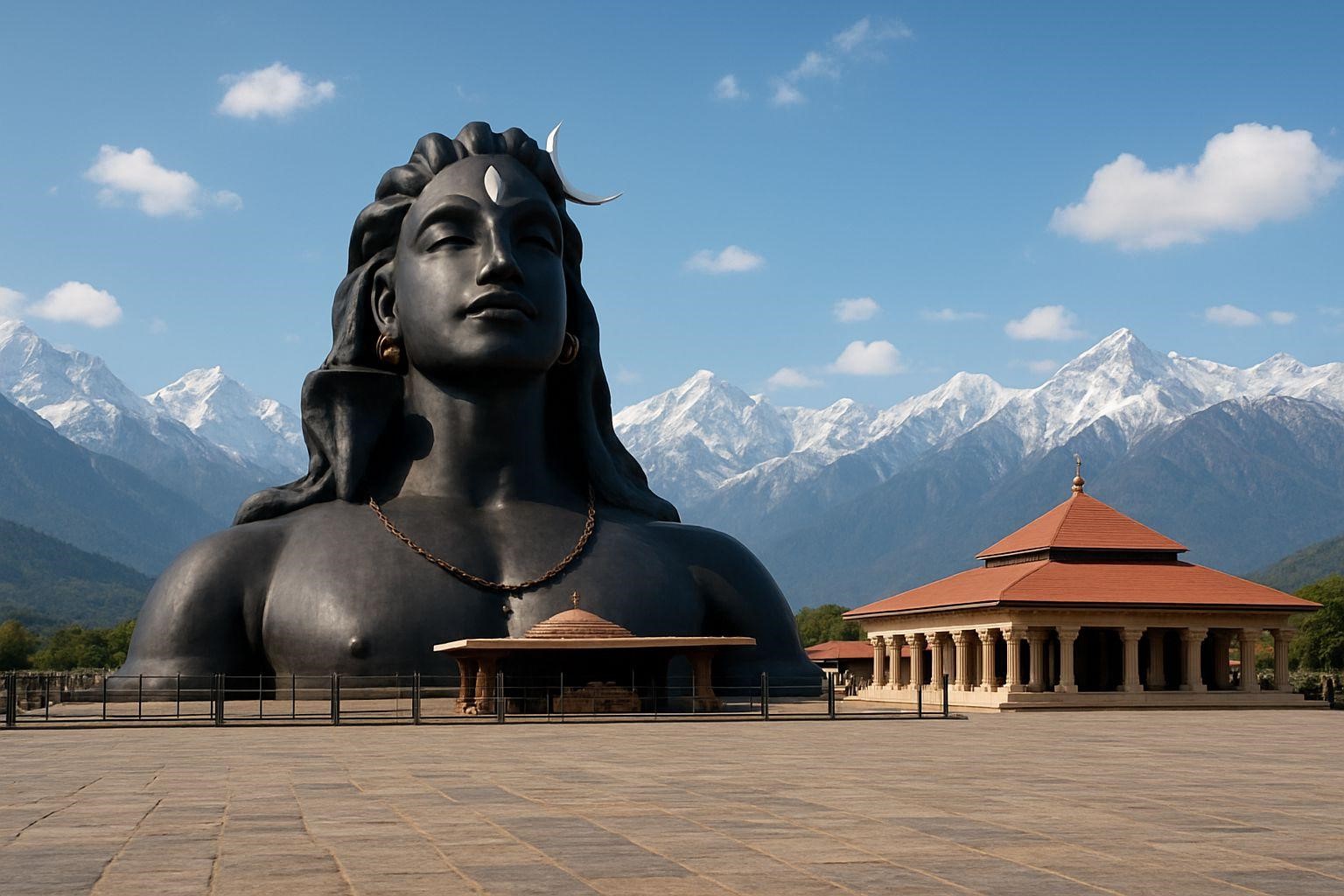
The 12 Jyotirlingas of Lord Shiva: Sacred Geography, Timeless Legends, and Living History
The twelve Jyotirlingas of Lord Shiva form one of the most sacred spiritual circuits in Hinduism, stretching across the vast and diverse landscape of India. These shrines are not merely temples—they are believed to be the very نقاط where Lord Shiva revealed himself as an infinite pillar of divine light, symbolizing his eternal, formless, and all-pervading nature. Each Jyotirlinga carries with it a profound legend, a rich historical journey, and a deep spiritual significance that continues to guide millions of devotees.
Together, they represent a sacred map of faith—linking mountains, rivers, forests, and coasts into a unified expression of devotion and divine presence.
Somnath Temple – Gujarat
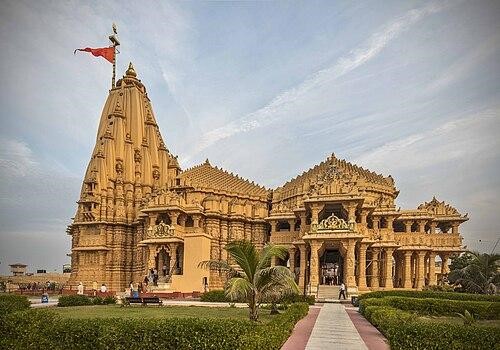
Standing majestically along the shores of the Arabian Sea, the Somnath Temple is revered as the first among the twelve Jyotirlingas. Its location at Prabhas Patan in Gujarat gives it a timeless aura, where the rhythmic waves of the sea seem to echo centuries of devotion.
According to ancient legend, the Moon God (Chandra) was cursed by his father-in-law Daksha, causing him to lose his brilliance. In his despair, Chandra prayed intensely to Lord Shiva at this very site. Moved by his devotion, Shiva restored his radiance, and thus the shrine came to be known as Somnath, meaning “Lord of the Moon.”
Historically, Somnath is a powerful symbol of resilience. It was destroyed and rebuilt multiple times over centuries, enduring invasions and political turmoil. Yet, each reconstruction reaffirmed the unwavering faith of devotees. Today, it stands not just as a temple, but as a testament to the enduring spirit of belief and cultural identity.
Mallikarjuna Temple – Andhra Pradesh
>
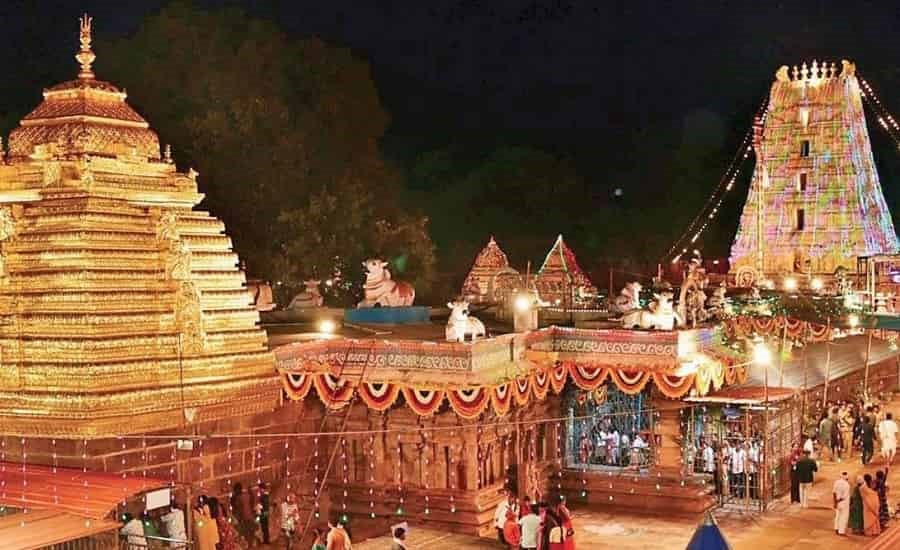
Nestled in the scenic Nallamala Hills along the banks of the Krishna River, the Mallikarjuna Temple is a serene and spiritually charged destination. The lush forests and tranquil surroundings create an atmosphere of deep meditation and devotion.
The temple’s origin is rooted in a touching legend involving Lord Shiva, Goddess Parvati, and their son Kartikeya. When Kartikeya left Mount Kailash after a disagreement, his parents followed him to this region to console him. They chose to remain here, blessing devotees with their presence. The name Mallikarjuna combines Mallika (Parvati) and Arjuna (Shiva).
Historically, the temple has been a prominent pilgrimage center for centuries, supported by various dynasties of South India. It represents divine love, familial bonds, and the compassionate nature of the divine.
Mahakaleshwar Temple – Madhya Pradesh
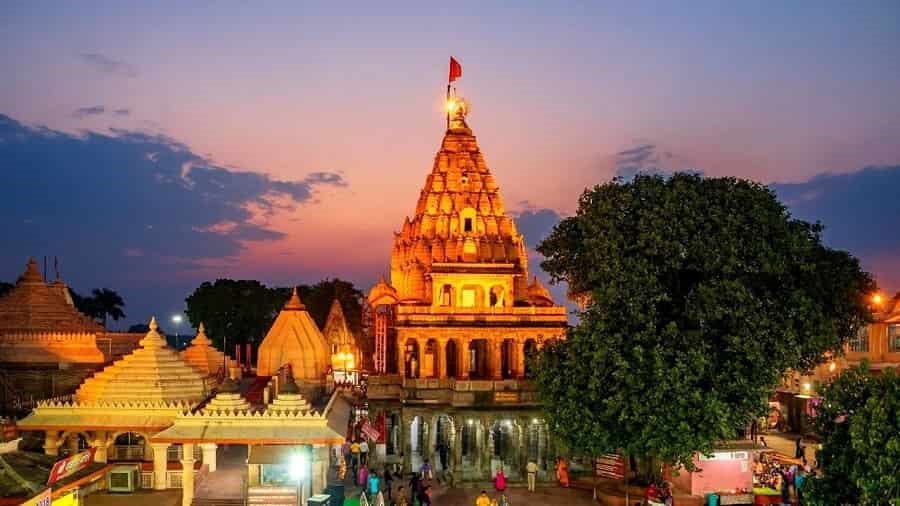
Located in the ancient city of Ujjain, one of India’s oldest cultural centers, the Mahakaleshwar Temple stands as a powerful symbol of time and eternity. Here, Lord Shiva is worshipped as Mahakal, the supreme lord who governs time itself.
Legend tells of a demon named Dushana who terrorised devotees in the region. In response to their prayers, Shiva manifested as Mahakal and destroyed the demon, establishing himself here as a protector.
The temple’s history dates back to ancient times, though its present structure reflects Maratha architectural influence. Its famous Bhasma Aarti, performed with sacred ash, is a reminder of life’s impermanence and the cycle of creation and destruction.
Omkareshwar Temple – Madhya Pradesh
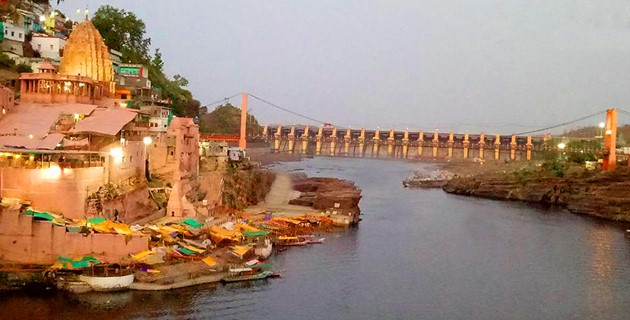
Set on the picturesque Mandhata Island in the Narmada River, Omkareshwar is unique in both form and spirit. The island itself is said to resemble the sacred syllable “Om,” making it a natural symbol of cosmic energy.
According to legend, the gods once prayed to Lord Shiva here to defeat powerful demons. Pleased with their devotion, Shiva manifested as a Jyotirlinga. Over time, this place became a center of spiritual learning and devotion.
Historically, Omkareshwar has attracted saints, sages, and pilgrims for centuries. Its serene environment and sacred geography make it a place where spirituality and nature exist in perfect harmony.
Kedarnath Temple – Uttarakhand
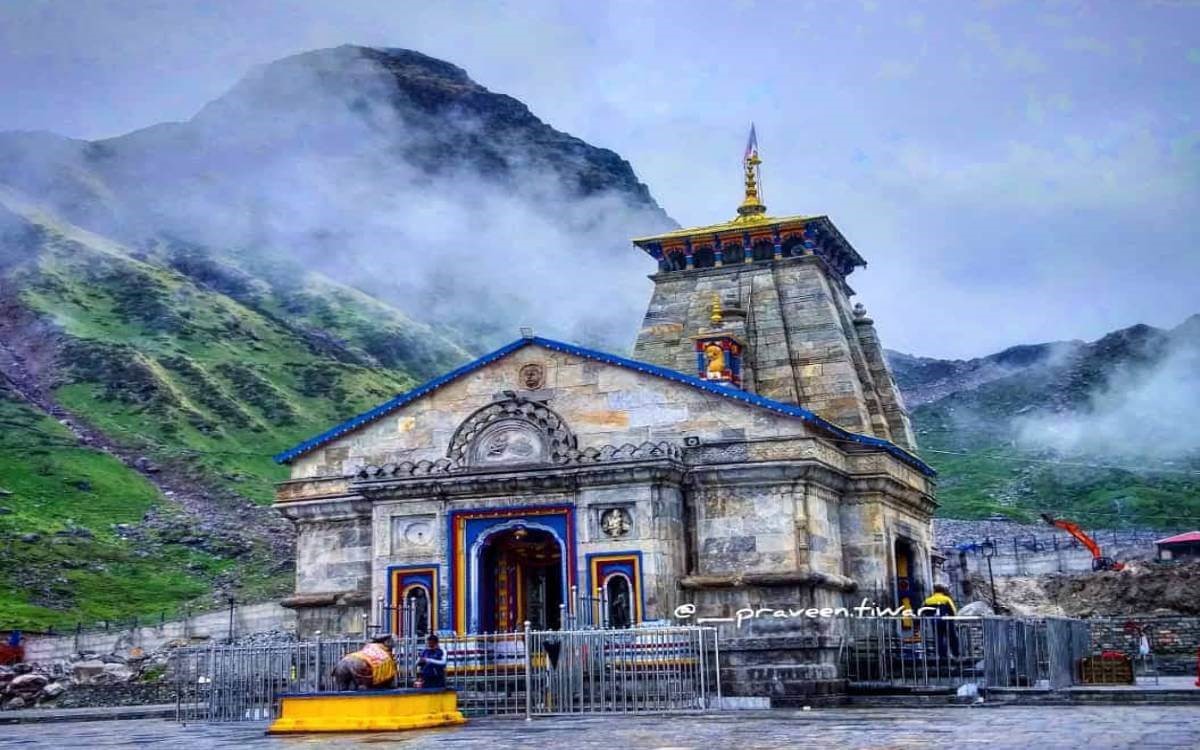
High in the Himalayas, surrounded by snow-covered peaks and rugged terrain, Kedarnath is one of the most awe-inspiring Jyotirlingas. Its remote location adds to its spiritual intensity, making the journey itself a test of devotion.
The temple is closely linked to the Mahabharata. After the Kurukshetra war, the Pandavas sought forgiveness from Lord Shiva. To avoid them, Shiva took the form of a bull, but was eventually recognized and manifested as a Jyotirlinga.
Believed to have been originally built by the Pandavas and later revived by Adi Shankaracharya, Kedarnath stands as a symbol of repentance, endurance, and divine grace in the harshest of environments.
Bhimashankar Temple – Maharashtra
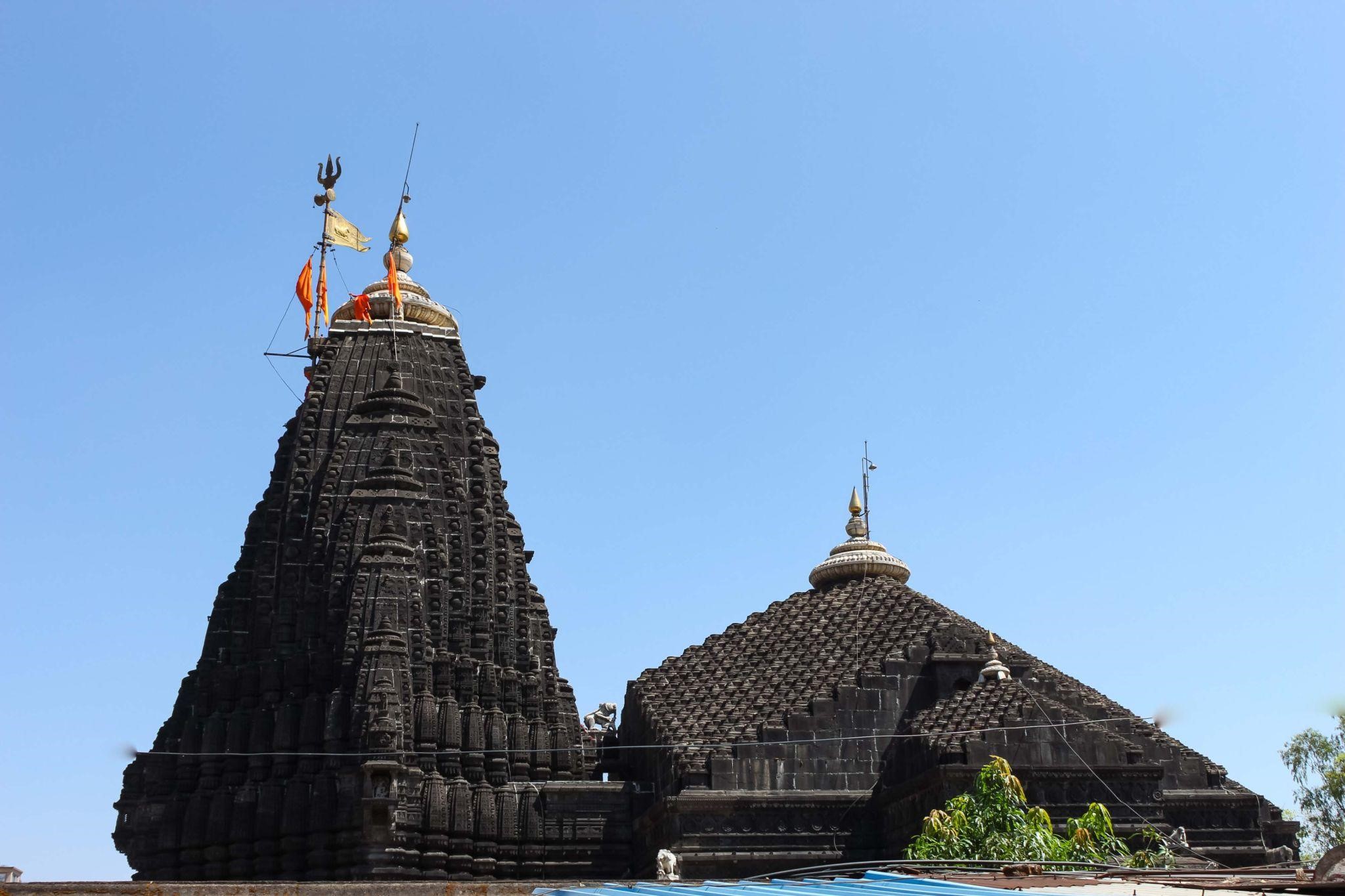
Hidden within the dense forests of the Sahyadri hills, Bhimashankar Temple offers a perfect blend of spirituality and natural beauty. The surrounding region is also a wildlife sanctuary, adding to its peaceful and sacred ambiance.
According to legend, a demon named Bhima wreaked havoc in the region. In response to the prayers of devotees, Lord Shiva appeared and defeated the demon, establishing himself here as Bhimashankar.
The temple’s history reflects its importance as a regional spiritual center, and its setting emphasizes the deep connection between nature and divinity.
Kashi Vishwanath Temple – Uttar Pradesh
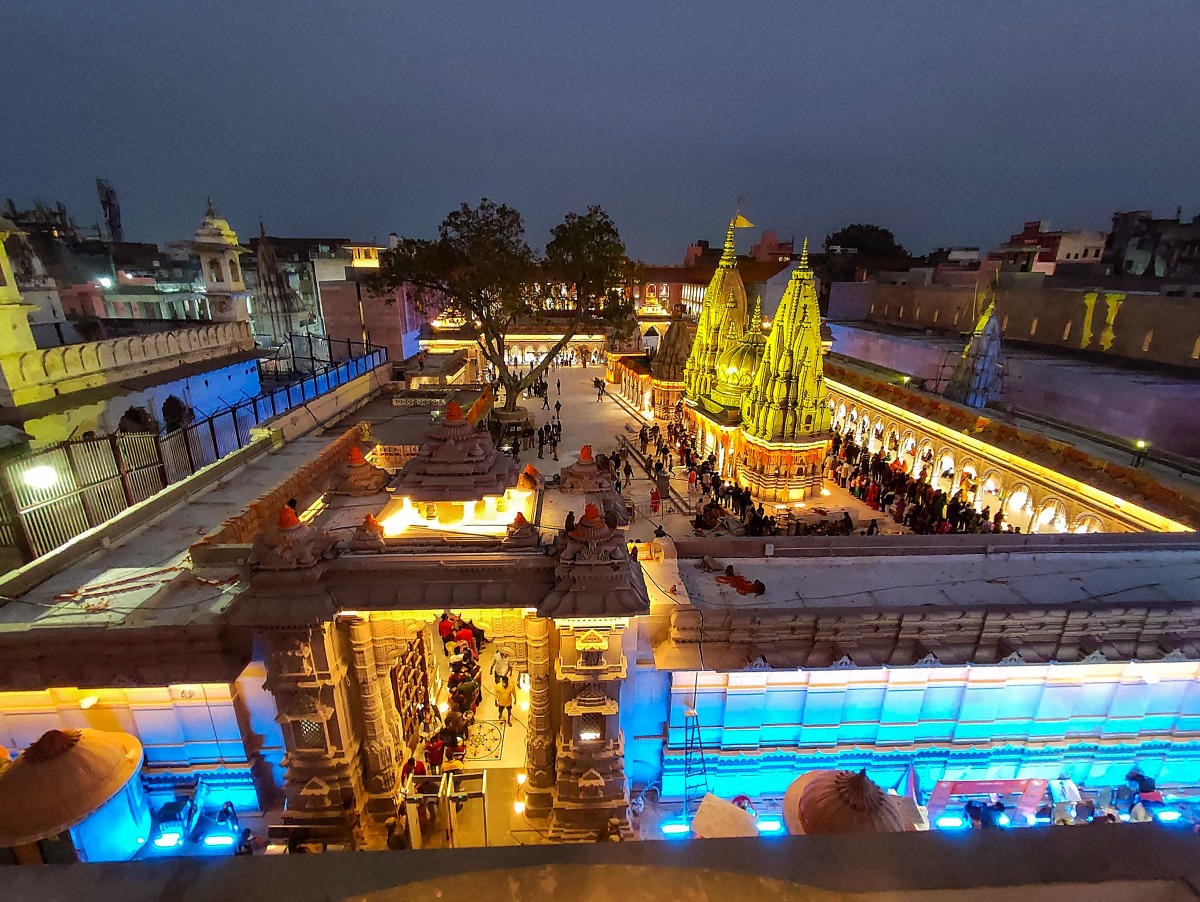
Situated in the ancient city of Varanasi, on the banks of the sacred Ganges River, Kashi Vishwanath is one of the most revered temples in India. The city itself is believed to be eternal, and the presence of Lord Shiva here is said to grant liberation (moksha) to devotees.
The temple has a long and complex history, having been destroyed and rebuilt several times. The current structure was established in the 18th century by Queen Ahilyabai Holkar.
Kashi Vishwanath is not just a temple—it is a spiritual experience, where life, death, and eternity converge in a profound expression of faith.
Trimbakeshwar Temple – Maharashtra
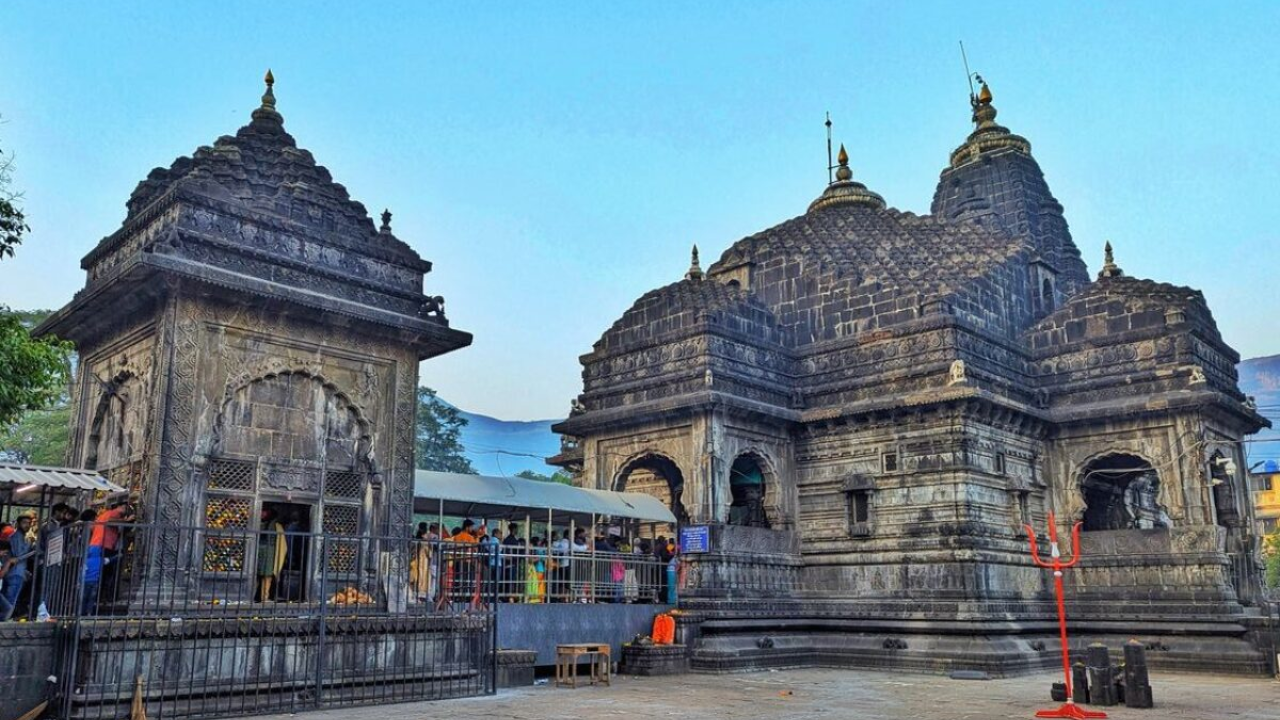
Located near the origin of the Godavari River, Trimbakeshwar is deeply connected with both mythology and sacred geography. The temple is set against the backdrop of the Brahmagiri hills, enhancing its spiritual aura.
Legend tells of sage Gautama, whose penance brought Lord Shiva to this place, resulting in the origin of the Godavari River. The Jyotirlinga here is unique, representing the three principal deities—Brahma, Vishnu, and Shiva.
Historically, the temple has been an important center of Vedic rituals and spiritual learning.
Vaidyanath Temple – Jharkhand
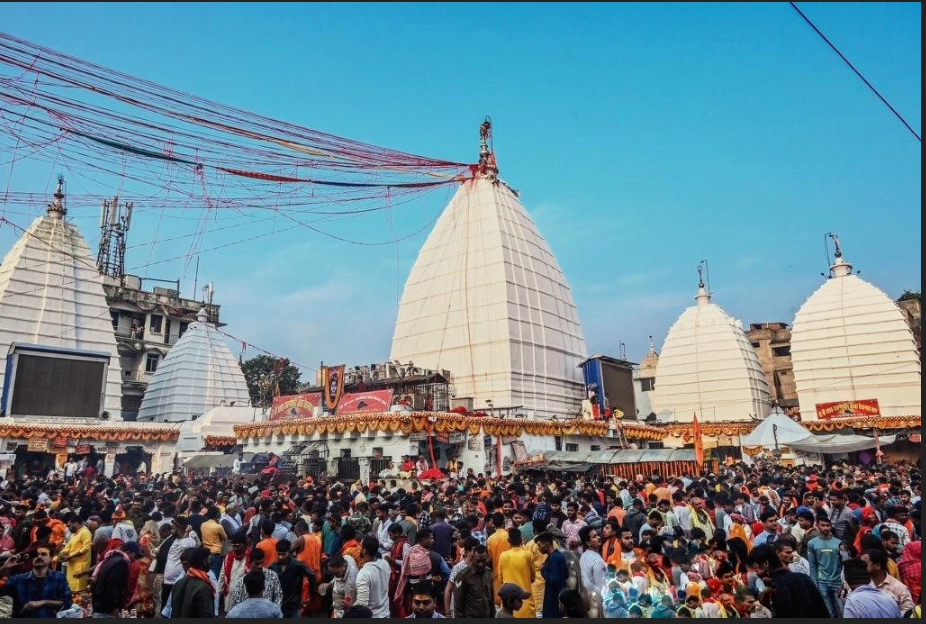
Located in Deoghar, this temple is associated with the story of Ravana, who performed intense penance to please Lord Shiva. Impressed by his devotion, Shiva appeared as a divine healer (Vaidya), giving the temple its name.
Over centuries, Vaidyanath has become one of the most visited pilgrimage sites, especially during the holy month of Shravan. Devotees undertake long journeys carrying sacred water to offer at the shrine.
The temple symbolises healing, devotion, and the transformative power of faith.
Nageshwar Jyotirlinga – Gujarat
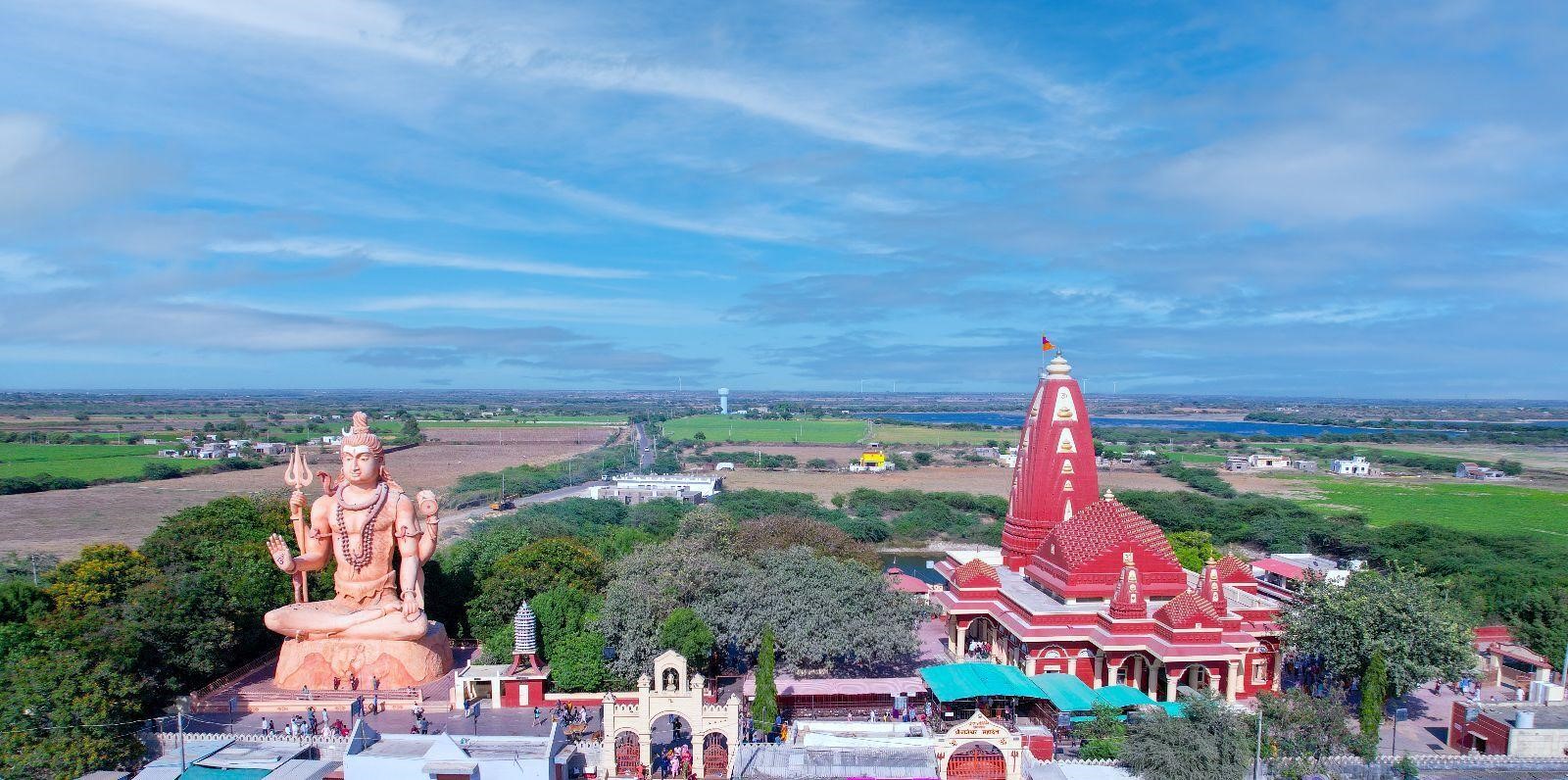
Situated near the holy city of Dwarka, Nageshwar Jyotirlinga stands as a symbol of protection and strength. The temple is associated with the legend of a devotee named Supriya, who was saved by Lord Shiva from a powerful demon.
The serene coastal setting and spiritual significance make it a place of deep devotion. Historically, it has been an important site for Shaivite worship in western India.
Ramanathaswamy Temple – Tamil Nadu
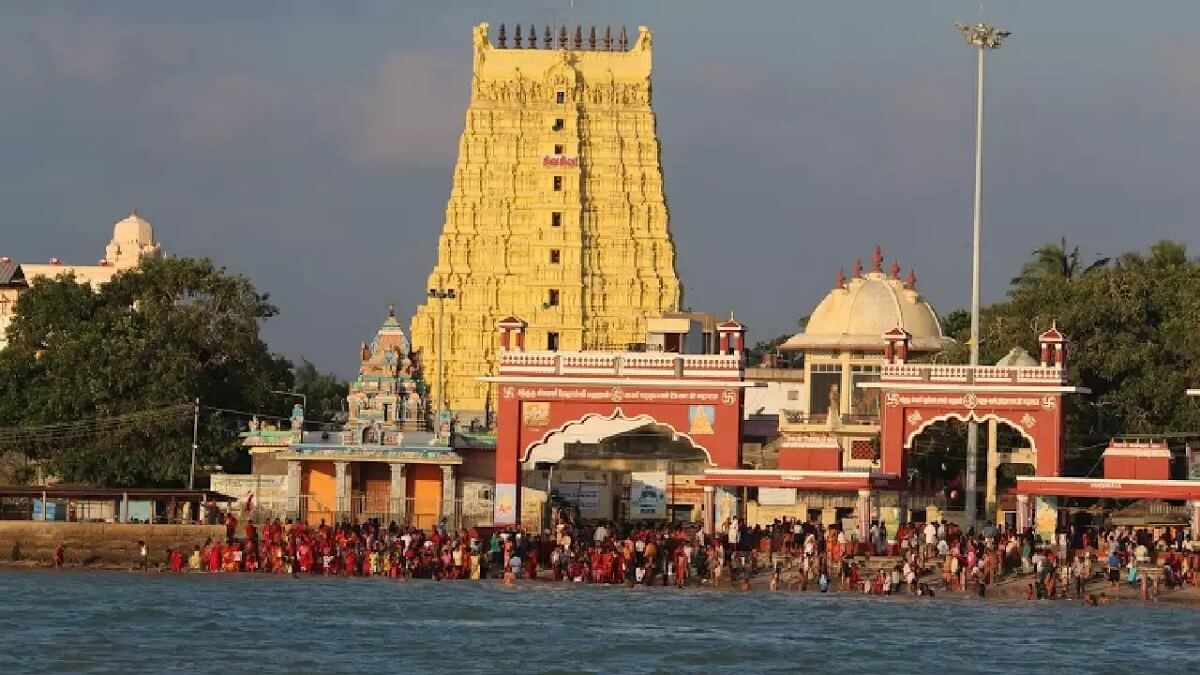
Located on the island of Rameswaram, this temple connects the northern and southern spiritual traditions of India. It is closely linked with the Ramayana, where Lord Rama worshipped Shiva to seek forgiveness after defeating Ravana.
The temple is renowned for its magnificent architecture, including long corridors and sacred water tanks used for ritual purification. Its history reflects centuries of devotion and architectural excellence.
Grishneshwar Temple – Maharashtra
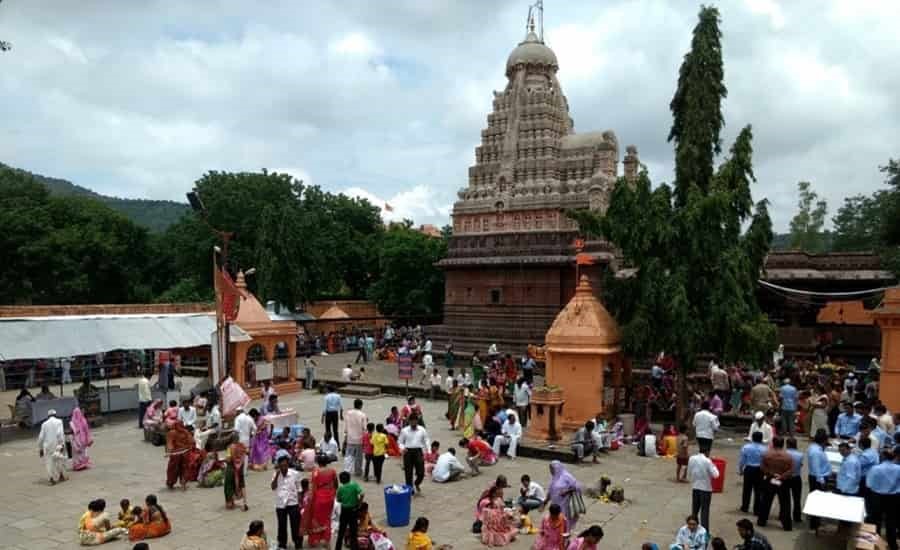
Located near the Ellora Caves, Grishneshwar is the smallest yet deeply significant Jyotirlinga. Its origin is linked to a devoted woman named Kusuma, whose unwavering faith moved Lord Shiva to manifest here.
The temple has been rebuilt over time, with its current structure reflecting Maratha-era architecture. Despite its size, it holds immense spiritual power and continues to attract devotees from across the country.
Conclusion: A Sacred Journey Across India
The twelve Jyotirlingas together form a spiritual pathway that transcends geography, language, and time. From the icy peaks of the Himalayas to the serene shores of the southern seas, each shrine tells a story of divine presence, human devotion, and cultural continuity.
Their histories are not just tales of the past—they are living traditions that continue to inspire faith, resilience, and spiritual awakening. To visit these sacred sites is not merely a pilgrimage across India, but a journey into the depths of one’s own soul, guided by the eternal light of Lord Shiva.
Vedan Choolun, London, UK