Hinduism in South Africa: A Story of Faith, Culture, and Resilience
Hinduism in South Africa represents one of the most vibrant and enduring expressions of Indian culture outside the Indian subcontinent. Introduced by Indian indentured laborers during the 19th century, Hinduism has grown into a significant religious and cultural force in the country. Today, Hindus in South Africa continue to preserve their traditions, rituals, and spiritual values while contributing meaningfully to the nation’s multicultural identity. The journey of Hinduism in South Africa is not only about religion but also about resilience, unity, and the preservation of heritage across generations.
The origins of Hinduism in South Africa date back to 1860, when the first group of Indian laborers arrived in the British colony of Natal to work on sugarcane plantations. Most of these workers came from regions such as Tamil Nadu, Andhra Pradesh, Bihar, and Uttar Pradesh, bringing with them their religious beliefs, customs, and sacred texts. Despite facing harsh working conditions and social discrimination, they remained committed to their faith. They built small shrines, conducted prayers, and celebrated festivals to maintain their spiritual connection with their homeland. Over time, these modest beginnings laid the foundation for a thriving Hindu community in South Africa.
One of the most remarkable aspects of Hinduism in South Africa is the way it adapted to a new cultural and social environment while retaining its core values. Hindu temples became centers of community life, serving not only as places of worship but also as hubs for education, charity, and cultural activities. Religious organizations played a vital role in teaching younger generations about Hindu scriptures, languages, and traditions. Through these institutions, the community preserved practices such as yoga, meditation, and devotional singing, ensuring that Hinduism remained relevant and meaningful in a modern society.
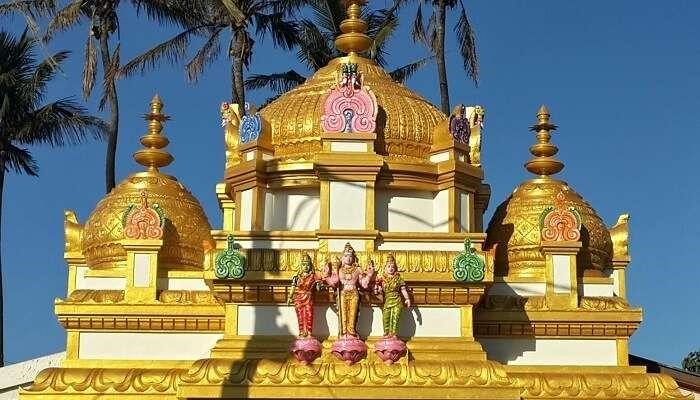
Hindu Temple in South Africa
Festivals play a central role in maintaining Hindu identity in South Africa. Celebrations such as Diwali, Navaratri, and Holi are widely observed with great enthusiasm and community participation. Diwali, the Festival of Lights, is particularly significant, symbolizing the victory of light over darkness and good over evil. During this festival, homes and temples are decorated with lamps, families gather for prayers, and communities organize cultural performances and charitable activities. These celebrations not only strengthen religious devotion but also promote unity and cultural pride among Hindus and other communities in South Africa.
Education and social service have always been important aspects of Hindu philosophy, and this is clearly reflected in the contributions of the Hindu community in South Africa. Many Hindu organizations have established schools, charitable trusts, and community centers that provide support to people of all backgrounds. These institutions focus on promoting moral values, discipline, and respect for diversity. They also encourage interfaith dialogue and cooperation, helping to build harmony in a society that has experienced significant political and social challenges.
Hinduism in South Africa also played a role in the country’s struggle against racial discrimination during the apartheid era. Many members of the Hindu community actively participated in movements for justice, equality, and human rights. Religious leaders and community members worked alongside people from different faiths to oppose unjust policies and promote social reform. Their efforts demonstrated the Hindu principles of compassion, courage, and the pursuit of righteousness.

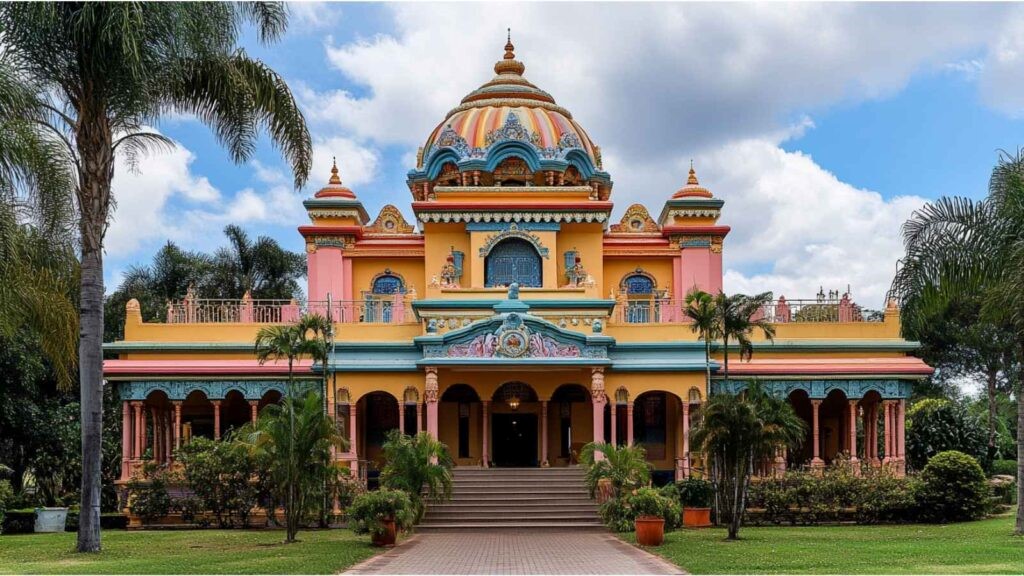
Hindu Temple in South Africa
In modern South Africa, Hinduism continues to flourish as a respected and dynamic faith. Temples, cultural organisations, and youth groups actively promote religious education, cultural preservation, and community service. Younger generations are embracing both their South African identity and their Hindu heritage, creating a unique blend of tradition and modernity. Technology and social media have also helped spread awareness about Hindu teachings and events, making it easier for people to stay connected with their faith.
In conclusion, Hinduism in South Africa stands as a powerful example of how faith and culture can survive and thrive even in challenging circumstances. From the arrival of indentured laborers in the 19th century to the vibrant community that exists today, the story of Hinduism in South Africa is one of perseverance, devotion, and cultural pride. It continues to inspire future generations to uphold their traditions while contributing positively to the diverse and evolving society of South Africa.