Hinduism in Mauritius: A Living Heritage of Faith, Culture and Tradition
Hinduism holds a significant place in the cultural, religious, and social life of Mauritius. Located in the Indian Ocean, this multicultural island nation is known for its diverse communities, rich traditions,s and peaceful coexistence among people of different faiths. Hinduism has shaped Mauritian festivals, family customs, spiritual practices and cultural identity, preserving a strong connection with India while developing a distinctive local character.
The History of Hinduism in Mauritius
The history of Hinduism in Mauritius is closely connected to the arrival of Indian migrants during the colonial period. Following the abolition of slavery in 1835, British colonial authorities brought large numbers of Indian indentured labourers to Mauritius to work on sugar plantations. Many arrived from different regions of India, bringing their religious beliefs, languages, customs and traditions with them.
According to the High Commission of India in Mauritius, approximately half a million Indian indentured workers arrived between 1834 and the early twentieth century. Many eventually settled permanently on the island, laying the foundations for a lasting Indian cultural influence. Hinduism became an important source of spiritual strength for these communities as they faced difficult working conditions and adapted to a new environment.
Despite the challenges of colonial life, Hindu families preserved their religious practices through prayer, traditional ceremonies, community gatherings, gs and the establishment of temples. Over generations, these customs became an integral part of Mauritian society.
Hinduism and the Religious Landscape of Mauritius
Mauritius is a religiously diverse country where Hinduism exists alongside Christianity, Islam, Buddhism,m and other faith traditions. According to the 2011 census figures cited in the US Department of State’s religious freedom reports, approximately 48 per cent of the population identified as Hindu, making Hinduism the country’s largest religious tradition. These figures should be understood in their historical context, as they refer to the 2011 census rather than a newly verified religious breakdown.
Hindu communities can be found throughout the island, particularly in areas with significant populations of Indian ancestry. Their religious life includes temple worship, household prayers, observance of sacred days, ys and participation in major festivals. Different Hindu traditions and regional customs coexist, reflecting the diverse origins of the Indian communities that settled in Mauritius.
The country’s constitutional framework protects freedom of religion and prohibits discrimination on religious grounds. This legal protection is important in a society where religious celebrations and cultural traditions contribute to the broader national identity.
Maha Shivaratree: A Major Hindu Pilgrimage
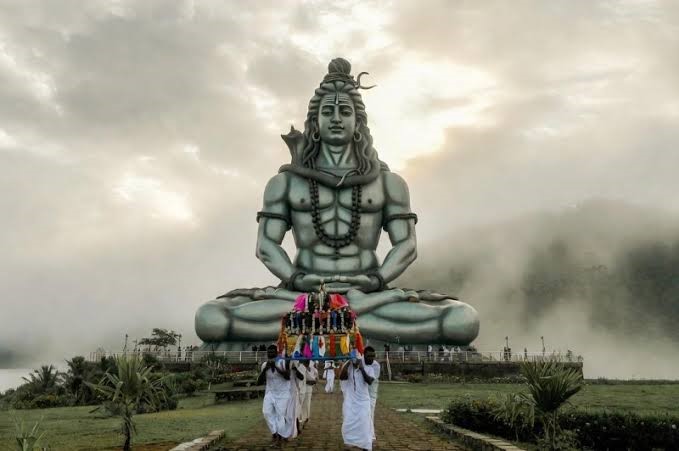
One of the most important Hindu religious events in Mauritius is Maha Shivaratree, a festival dedicated to Lord Shiva. Each year, thousands of devotees participate in a pilgrimage to Grand Bassin, a sacred lake surrounded by forested hills in the island’s interior.
During the pilgrimage, devotees often dress in white and carry decorated structures known as kanwars. Many travel on foot from their homes and communities to the sacred site, demonstrating devotion, discipline, and spiritual commitment. At Grand Bassin, they offer prayers and collect holy water as part of their religious observances.
The pilgrimage reflects the deep spiritual connection between Mauritian Hindus and the traditions of India. Grand Bassin is widely regarded by devotees as a sacred place, and the annual gathering brings together people from different communities across the island.
Maha Shivaratree is more than a religious festival. It is also a powerful expression of collective faith, family participation, and cultural continuity, with traditions passed from one generation to the next.
Diwali: The Festival of Lights
Diwali, also known as Divali in Mauritius, is another major Hindu celebration. Associated with the victory of light over darkness and good over evil, the festival carries deep spiritual and cultural significance.
In the days leading up to Diwali, families clean and decorate their homes, prepare traditional sweets and gather for prayers. Homes and streets are illuminated with small lamps and decorative lights, creating a festive atmosphere across the island. Many families also exchange gifts, visit relatives and share meals.
Diwali has a particularly visible presence in Mauritius because its celebrations extend beyond individual households and religious communities. The festival is recognised nationally and offers an opportunity for people from different backgrounds to learn about Hindu traditions and participate in the wider cultural celebrations.
The festival symbolises hope, renewal, prosperity and the importance of goodness in everyday life. Its continued popularity demonstrates how Hindu religious traditions have become an established part of Mauritius’s national cultural calendar.
Holi, Ganesh Chaturthi and Other Hindu Festivals
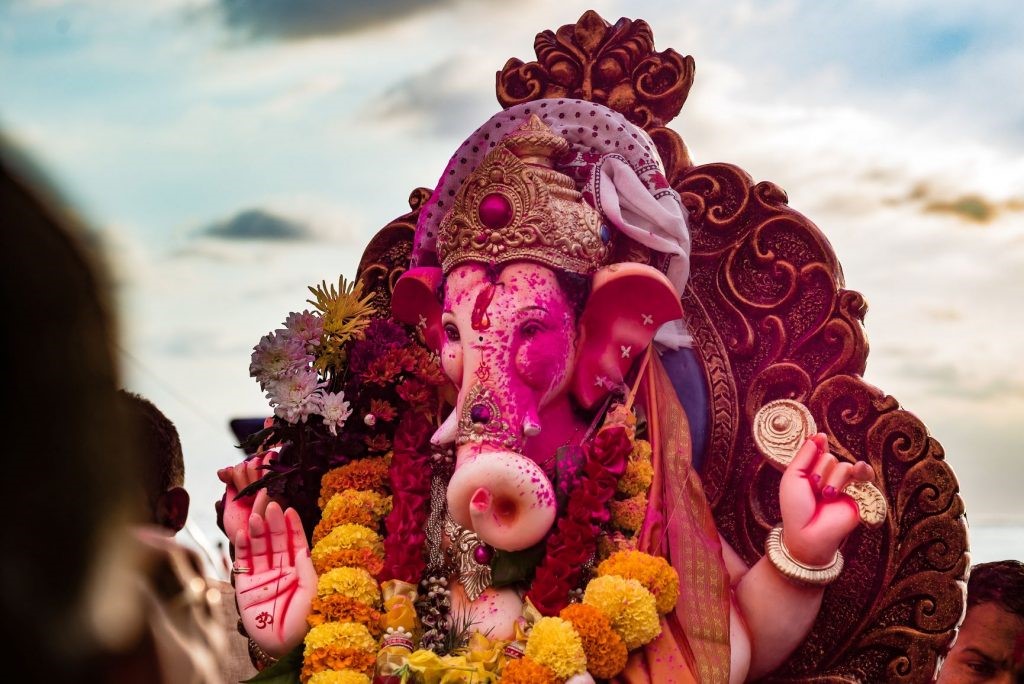
Beyond Maha Shivaratree and Diwali, Mauritian Hindus celebrate several other important festivals that reflect the diversity of Hindu religious life.
Holi, the festival of colours, celebrates joy, renewal and the triumph of good over evil. Families and communities come together to mark the occasion with colours, music, food and social gatherings.
Ganesh Chaturthi honours Lord Ganesha, who is widely associated with wisdom, learning and the removal of obstacles. Devotees offer prayers and participate in ceremonies seeking blessings for new beginnings and important undertakings.
Ugadi, observed by communities that follow the Telugu New Year tradition, marks the beginning of a new year according to the relevant regional calendar. Cavadee, associated with Tamil Hindu devotion to Lord Murugan, is another important religious observance in Mauritius. It often involves processions, offerings and acts of devotion or penance.
Together, these festivals highlight the range of languages, regional traditions and devotional practices represented within Mauritian Hinduism. They also create opportunities for families to preserve ancestral customs while sharing their cultural heritage with younger generations.
Temples and Spiritual Life
Hindu temples play an important role in the religious and community life of Mauritius. They provide places for prayer, meditation, religious instruction, and the celebration of festivals. Temple activities also help strengthen social relationships by bringing together families and community members.
Religious practices are not limited to temples. Many Hindu households maintain prayer spaces and observe daily rituals, while important occasions such as weddings, births and other family milestones may involve traditional ceremonies.
Hindu religious life in Mauritius has also evolved through interaction with the island’s multicultural environment. While many customs remain rooted in Indian traditions, local influences have shaped the way festivals are celebrated,communities gathere,r and cultural practices are passed on.
This combination of continuity and adaptation has helped Hinduism remain a living tradition rather than simply a historical connection to the Indian subcontinent.
Hinduism’s Contribution to Mauritian Culture
The influence of Hinduism extends beyond religious worship. It can be seen in the island’s public holidays, traditional music, food, family customs and cultural events. Indian languages and devotional traditions have contributed to Mauritius’s rich cultural landscape, while the island’s wider society has developed its own distinctive forms of cultural expression.
Mauritius is often recognised for its multicultural character, with communities of Indian, African, European and Chinese ancestry contributing to its national identity. Religious festivals provide visible examples of this diversity, allowing traditions to be maintained while encouraging cultural exchange.
The government of Mauritius identifies festivals such as Diwali, Maha Shivaratree, Ganesh Chaturthi, Holi and Ugadi among the country’s principal cultural and religious celebrations. Their presence in the national calendar reflects the important place Hindu traditions occupy in Mauritian public life.
Religious Diversity and Coexistence
Although Hinduism is the largest religious tradition in Mauritius, the country is home to communities with different beliefs and practices. Christianity and Islam have long-standing histories on the island, alongside other religious traditions.
This diversity makes mutual respect and understanding essential to the country’s social harmony. Public celebrations, interfaith engagement and constitutional protections for religious freedom all contribute to an environment in which different communities can maintain their identities.
Like many diverse societies, Mauritius has also faced challenges related to religious and social tensions. Its multicultural character should therefore be understood as an ongoing commitment to respect, dialogue and equal treatment, rather than an absence of differences.
The continued celebration of religious festivals offers an opportunity to strengthen these shared values. By learning about one another’s traditions, Mauritians can preserve their distinct cultural identities while reinforcing their common national identity.
The Future of Hinduism in Mauritius
Hinduism in Mauritius continues to connect the country’s present with its historical roots. Temples, religious organisations, family traditions and annual festivals all help transmit spiritual values and cultural knowledge to younger generations.
At the same time, younger Mauritians are finding ways to express their heritage within a changing society. Education, cultural programmes, community celebrations and connections with India can all help maintain awareness of Hindu philosophy, history and customs.
Preserving this heritage does not mean resisting cultural change. Rather, it involves understanding the significance of traditional practices while allowing them to remain meaningful in contemporary life.
Conclusion
Hinduism in Mauritius is a story of migration, resilience, devotion and cultural preservation. From the arrival of Indian indentured labourers to the spectacular pilgrimage at Grand Bassin and the illuminated celebrations of Diwali, Hindu traditions have become deeply woven into the island’s social and cultural fabric.
Today, Hinduism remains an important part of Mauritius’s identity, demonstrating how a religious tradition can preserve its historical roots while flourishing in a multicultural society. Its temples, festivals and community practices continue to celebrate faith, strengthen family connections and contribute to the rich cultural heritage that makes Mauritius distinctive.