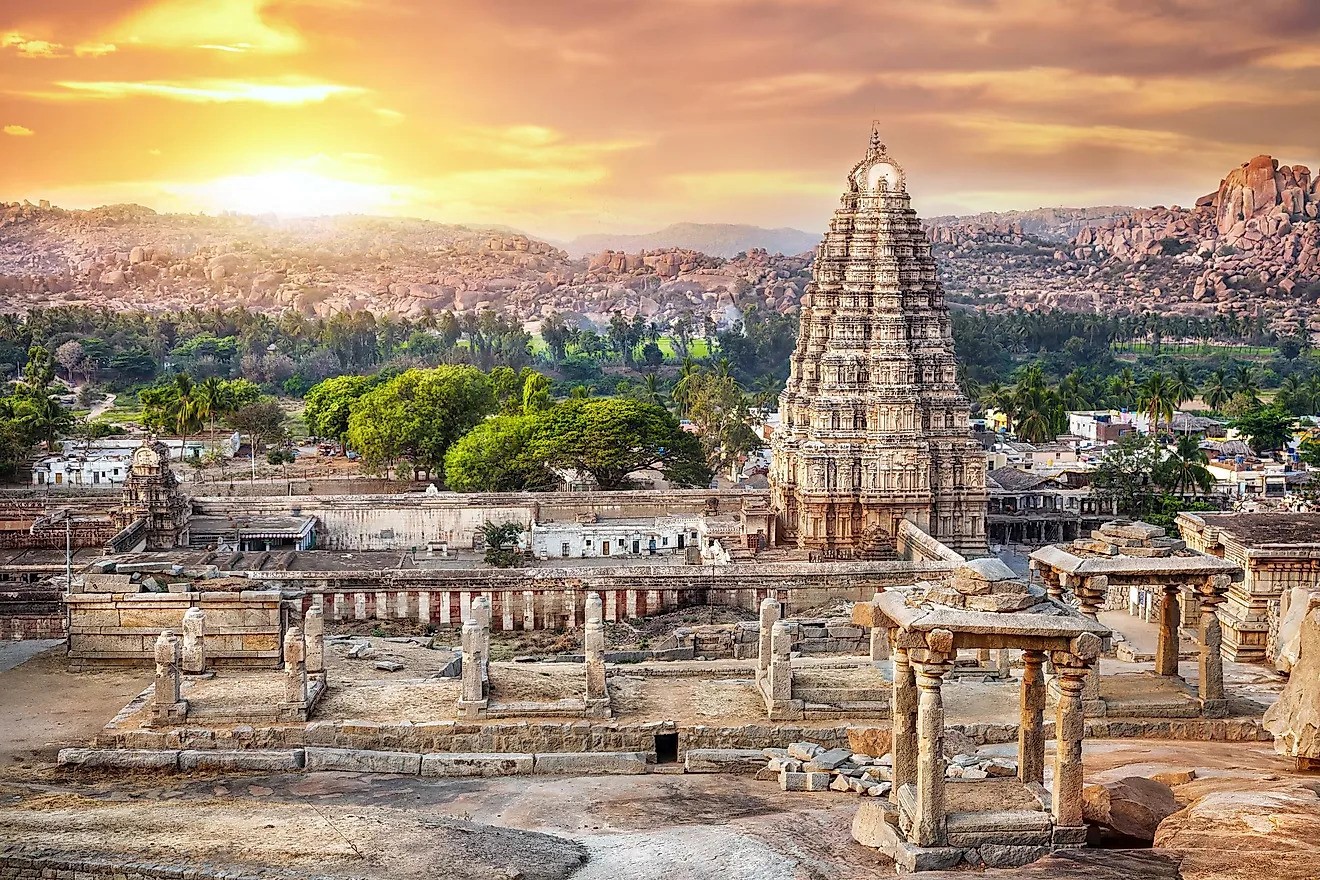
From India to the East: The Thousand-Year Cultural Journey That Shaped Asia
Introduction: A Civilisation That Traveled Through Ideas, Not Armies
More than a thousand years ago, Indian civilisation emerged as one of the most powerful cultural forces in the world—not through conquest or colonisation, but through knowledge, spirituality, and trade. Its influence extended across vast regions of Asia, shaping the beliefs, traditions, governance, and daily lives of millions of people. From the temples of Southeast Asia to the monasteries of East Asia, the imprint of India’s ancient wisdom can still be seen today.
Unlike many empires that imposed their culture through force, India’s impact was organic and deeply transformative. Merchants, monks, and scholars carried ideas across seas and mountains, building connections that would last for centuries. These exchanges led to the widespread adoption of Hinduism and Buddhism in many Asian countries, creating a shared civilisational heritage.
Ancient India: A Hub of Knowledge and Spiritual Thought
India, in ancient times, was not just a land of kingdoms and trade but a centre of intellectual and spiritual excellence. Philosophies such as Dharma (duty), Karma (action), and Moksha (liberation) shaped the worldview of its people and attracted seekers from across the world.
Renowned centres of learning like Nalanda and Takshashila drew students from regions as far as China, Korea, and Southeast Asia. These institutions taught not only religious philosophy but also science, mathematics, medicine, and astronomy. The depth and openness of Indian knowledge systems made them appealing and adaptable to different cultures.
The presence of highly developed trade networks also played a critical role. Indian merchants traveled to distant lands, establishing trade links while simultaneously sharing language, scripts, customs, and religious practices.
The Expansion of Hinduism Beyond India
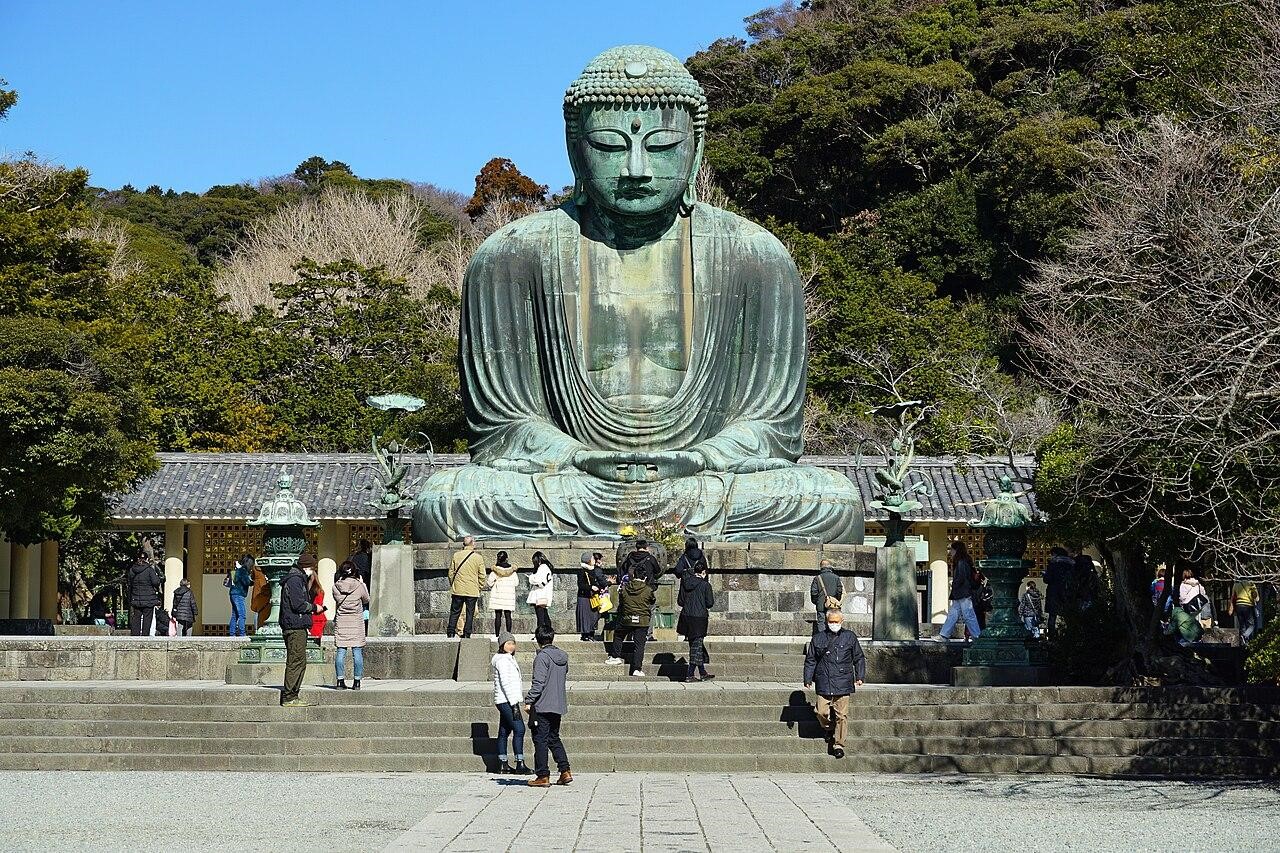
Buddhism in Japan
Hinduism was one of the earliest cultural exports of India, spreading primarily to Southeast Asia through trade and migration. Its flexible and inclusive nature allowed it to blend seamlessly with local traditions, resulting in unique cultural expressions in different regions.
In Indonesia, ancient kingdoms such as Srivijaya and Majapahit were deeply influenced by Hindu beliefs and governance systems. Even today, the island of Bali stands as a stronghold of Hindu culture, preserving rituals, temple worship, and festivals that have existed for centuries.
In Thailand, Hinduism influenced royal traditions and state ceremonies. Concepts of divine kingship, rooted in Indian philosophy, became central to Thai monarchy. Hindu deities such as Vishnu, Shiva, and Brahma are still revered in temples and cultural practices.
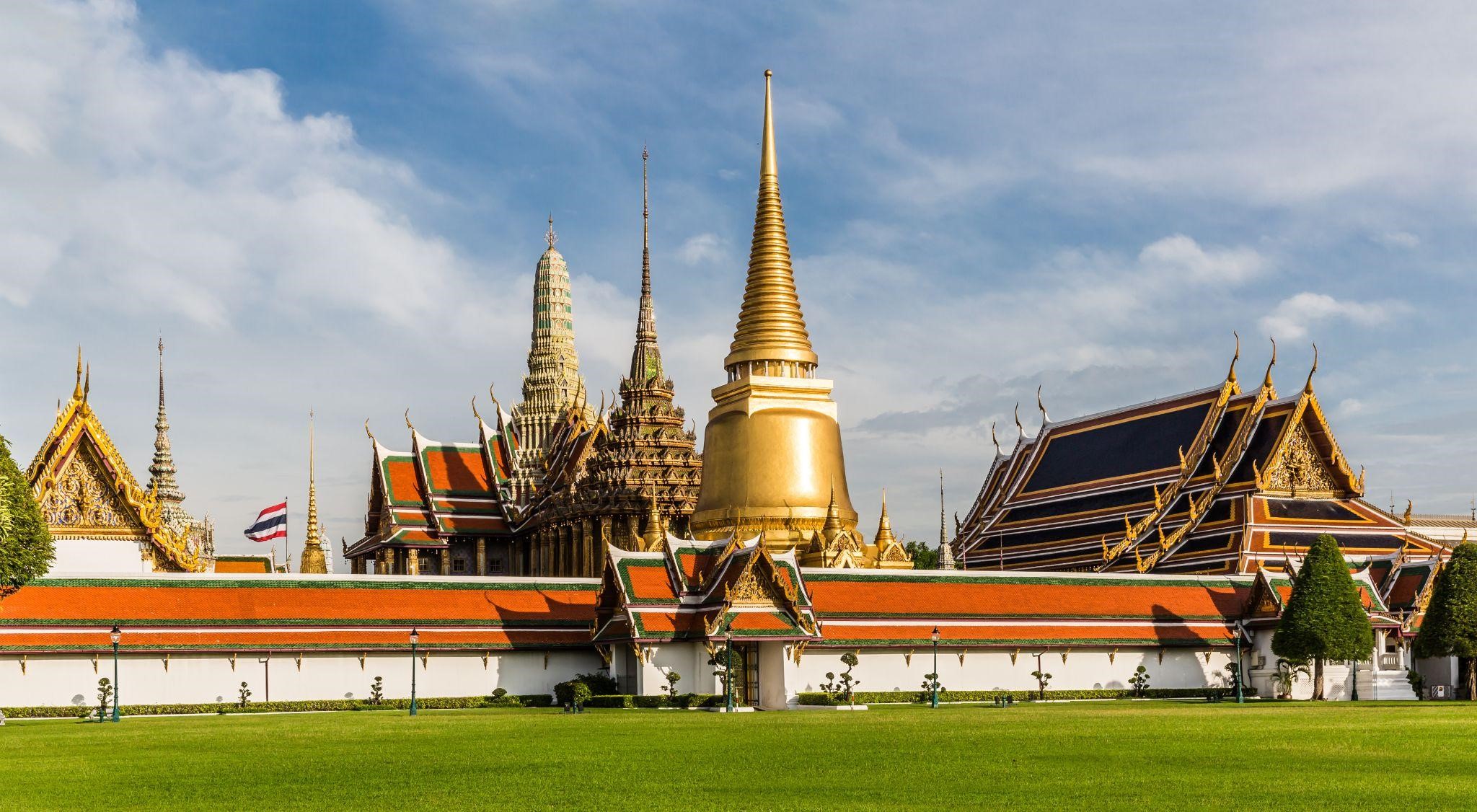 Temple in Thailand
Cambodia provides one of the most striking examples of Hindu influence through the construction of Angkor Wat, originally dedicated to Lord Vishnu. The temple complex reflects Indian architectural brilliance and showcases stories from the Ramayana and Mahabharata carved into its walls.
In Vietnam, particularly during the Champa civilisation, Hinduism played a major role. Temples dedicated to Lord Shiva and other deities highlight the depth of Indian influence in the region.
The Emergence of Buddhism from Indian Roots
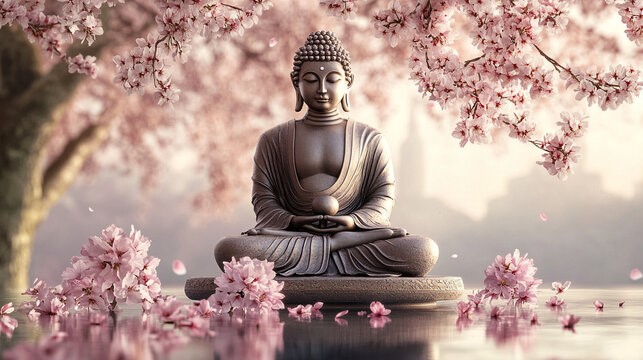
Lord Buddha
Gautama Buddha was born into a Hindu cultural environment and was deeply influenced by the spiritual traditions of ancient India. Rather than completely rejecting these traditions, he reinterpreted and reformed them, offering a path focused on ending suffering through discipline, meditation, and wisdom.
Buddhism did not begin as a separate religion in the modern sense but as a spiritual movement within the broader Indian philosophical landscape. Over time, as it spread across regions and cultures, it developed into a distinct and influential tradition.
The teachings of Buddha were simple, universal, and adaptable, making them accessible to people across different societies. This adaptability played a key role in the rapid spread of Buddhism across Asia.
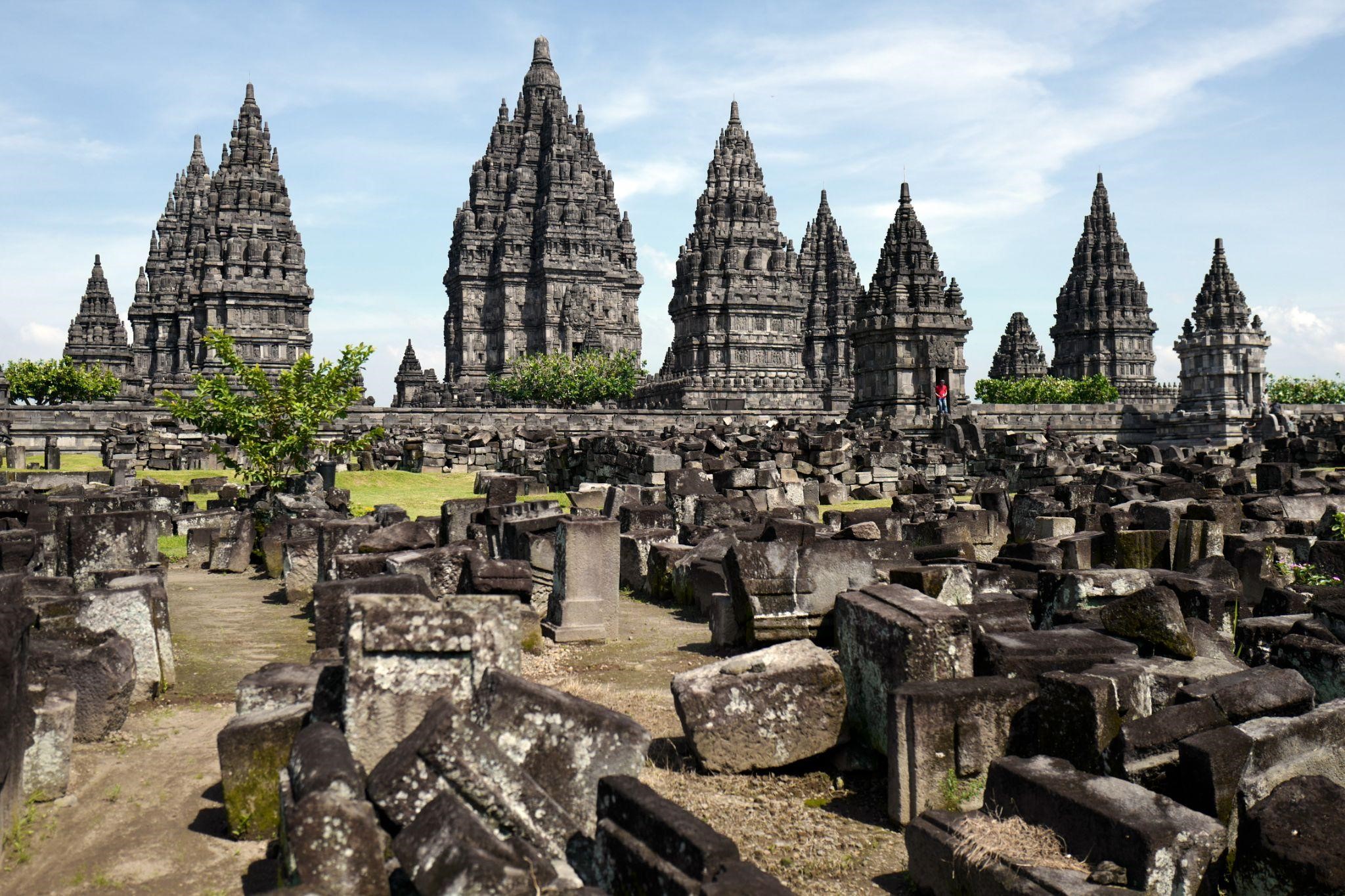 Temples in Indonesia
The Spread of Buddhism Across Asia
Buddhism’s journey beyond India is one of the most remarkable cultural movements in history. It spread through peaceful means, carried by monks, scholars, and travelers who established monasteries and centres of learning in distant lands.
Sri Lanka was among the first countries to adopt Buddhism, introduced by the son of Emperor Ashoka. It became deeply rooted in the island’s culture and remains its dominant religion.
In China, Buddhism arrived through the Silk Road and gradually blended with local traditions such as Taoism and Confucianism. This fusion gave rise to unique schools of thought, including Chan Buddhism.
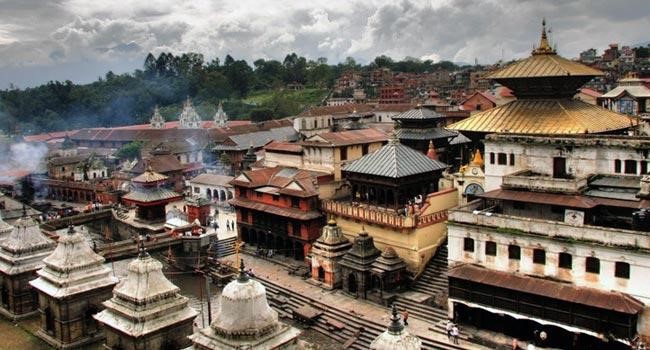
Pashupatinath Temple, Nepal
From China, Buddhism spread to Korea and Japan, where it became an integral part of society. In Japan, Zen Buddhism influenced not only religion but also art, discipline, and philosophy, shaping the nation’s cultural identity.
In Southeast Asia, countries like Thailand, Myanmar, Laos, and Cambodia adopted Theravada Buddhism, which remains central to their cultural and religious life even today.
Countries Influenced by Indian Civilisation
Indian civilisation influenced a wide range of countries across Asia, leaving a lasting legacy in religion, culture, and governance. Nations such as Thailand, Indonesia, Cambodia, Vietnam, Laos, Myanmar, Sri Lanka, China, Japan, Korea, Nepal, and Mongolia all experienced varying degrees of Indian influence.
In many of these countries, Hinduism and Buddhism were not merely adopted but adapted, blending with local traditions to create unique cultural identities. The influence was not limited to religion—it extended to language, art, architecture, and systems of governance.
The sheer number of countries affected demonstrates the vast reach of Indian civilisation and its ability to connect diverse societies under shared philosophical ideas.
Cultural Influence on Language and Literature
One of the most enduring aspects of Indian influence in Asia is language. Sanskrit, the classical language of India, had a profound impact on many Southeast Asian languages. Inscriptions found in ancient temples across Cambodia, Indonesia, and Thailand often contain Sanskrit words and scripts.
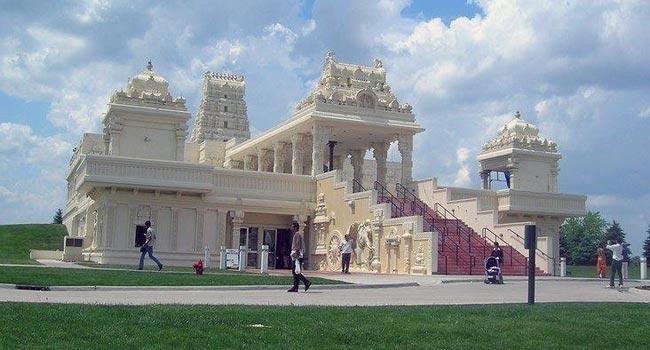 Venkateswara Swami temple, United States
Indian epics such as the Ramayana and Mahabharata were translated and adapted into local languages, becoming part of national literature. These stories were not just retold but reimagined, reflecting local values and traditions while retaining their Indian roots.
The spread of these epics helped transmit moral values, cultural ideals, and philosophical concepts across generations and regions.
Architectural and Artistic Influence
Indian architectural styles inspired some of the most iconic monuments in Asia. Temples built across Southeast Asia reflect Indian designs, featuring intricate carvings, towering structures, and symbolic layouts.
Angkor Wat in Cambodia and Borobudur in Indonesia stand as monumental examples of this influence. While rooted in Indian traditions, these structures also showcase local innovation and artistic expression.
Art forms such as dance, sculpture, and painting were also influenced by Indian traditions. Classical dance styles in Southeast Asia often depict stories from Indian epics, while sculptures of Hindu and Buddhist deities reflect Indian iconography.
Trade and Maritime Connections as Cultural Bridges
Trade played a crucial role in spreading Indian civilisation across Asia. Indian merchants established strong maritime connections with Southeast Asia, traveling across the Indian Ocean to exchange goods and ideas.
Ports in South India became gateways for cultural exchange. Along with spices, textiles, and precious stones, traders carried religious texts, art, and customs to foreign lands.
Unlike colonial powers, Indian traders integrated with local communities, fostering mutual respect and cultural blending. This peaceful exchange allowed Indian ideas to take root naturally in different societies.
Why Indian Civilisation Had Such a Lasting Impact
The influence of Indian civilisation was not accidental—it was the result of several unique strengths. Its philosophies addressed universal human concerns such as suffering, purpose, and morality, making them relevant across cultures.
Indian traditions were also highly adaptable, allowing them to merge with local beliefs rather than replace them. This flexibility made it easier for different societies to adopt and reinterpret Indian ideas.
Furthermore, the emphasis on knowledge and learning attracted scholars from across Asia, who carried these teachings back to their homelands.
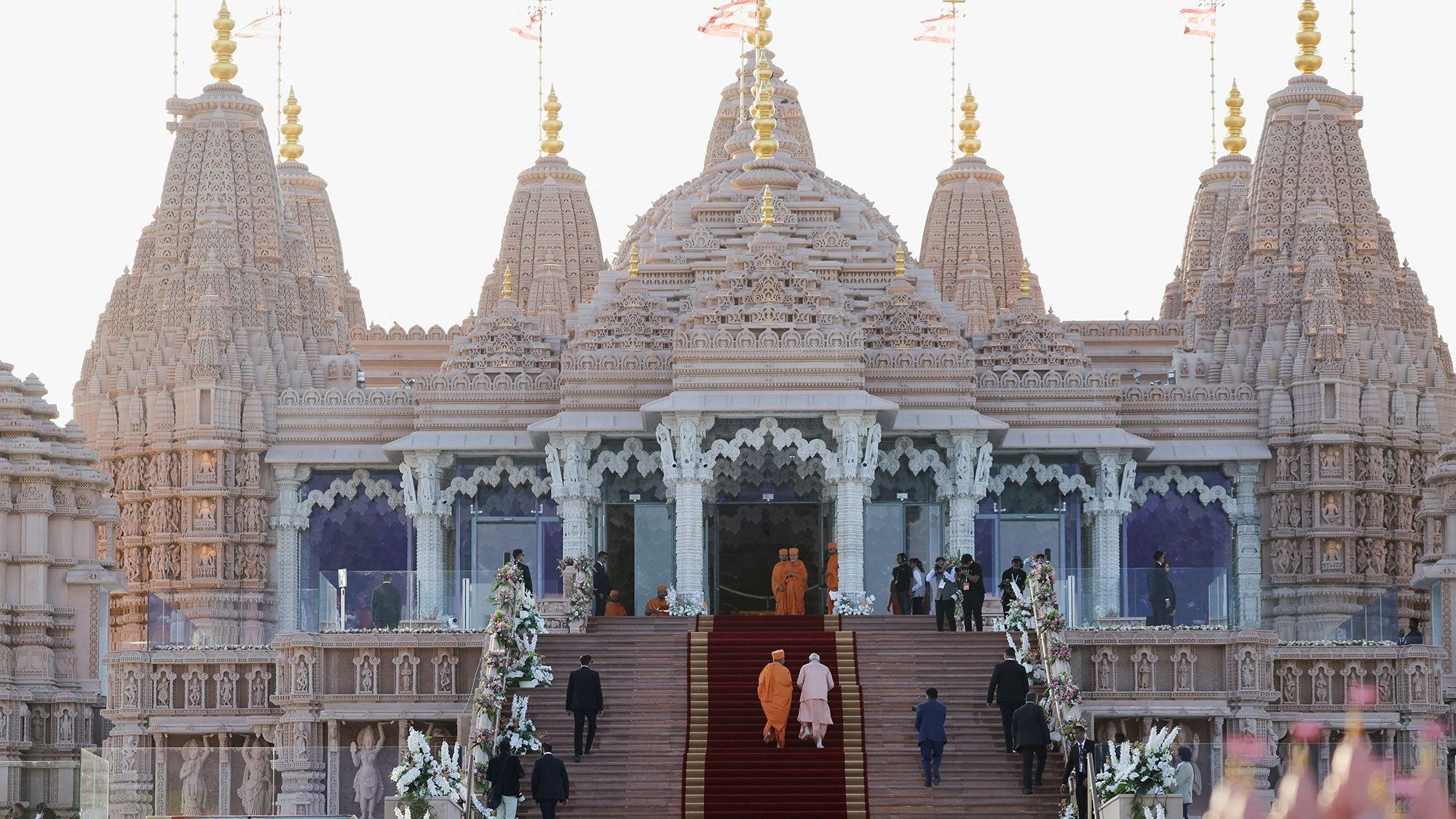
Temple in Abu Dhabi
A Shared Asian Heritage Rooted in India
Today, the influence of Indian civilisation can still be seen across Asia in temples, languages, rituals, and philosophies. From Bali’s Hindu traditions to Japan’s Zen practices, the legacy of India’s ancient wisdom continues to shape modern societies.
The connections formed over a thousand years ago created a shared cultural foundation that links many Asian nations. Despite differences in language and geography, these countries remain connected through common spiritual and philosophical roots.
Conclusion: India’s Enduring Cultural Legacy
The story of Indian civilisation’s influence on Asia is one of peaceful expansion, intellectual exchange, and cultural transformation. Over a thousand years ago, India became a guiding light for much of Asia, offering ideas that transcended borders and generations.
From the teachings of Gautama Buddha to the widespread adoption of Hindu and Buddhist traditions, India’s impact reshaped entire regions. More than a dozen countries embraced these ideas, adapting them into their own cultures while preserving their core essence.
This legacy is not just a chapter of history—it is a living connection that continues to unite Asia through shared values, traditions, and spiritual understanding.