Hinduism in Trinidad and Tobago: A Rich Heritage of Faith, Culture, and Tradition
Hinduism holds an important place in the cultural and religious landscape of Trinidad and Tobago, a Caribbean nation known for its rich diversity and multicultural traditions. The religion has shaped the country’s festivals, family customs, music, food, and community life for generations. Today, Hindu traditions remain an integral part of the nation’s identity, reflecting the enduring connection between its people and their ancestral heritage.
The Arrival of Hinduism in Trinidad and Tobago
The history of Hinduism in Trinidad and Tobago is closely connected to the arrival of Indian indentured labourers during British colonial rule. Beginning in 1845, thousands of Indians travelled to Trinidad to work on sugar plantations and other agricultural estates. Indian immigration continued until 1917, bringing more than 140,000 people to the island during this period. Many of these migrants were Hindus who carried their religious beliefs, sacred texts, rituals, and cultural practices across the ocean.
Despite the hardships of indentured labour and the challenges of adapting to a new environment, Hindu families worked to preserve their traditions. Religious gatherings, community celebrations, storytelling, and worship helped successive generations maintain their cultural connections. Over time, Hinduism developed a distinctive Caribbean identity while retaining many of its fundamental teachings and practices.
Hindu Beliefs and Religious Practices
Hinduism encompasses a wide range of spiritual traditions, philosophical perspectives, and forms of worship. In Trinidad and Tobago, Hindu communities follow practices that include prayers, devotional singing, meditation, religious ceremonies, and the celebration of important events in the Hindu calendar.
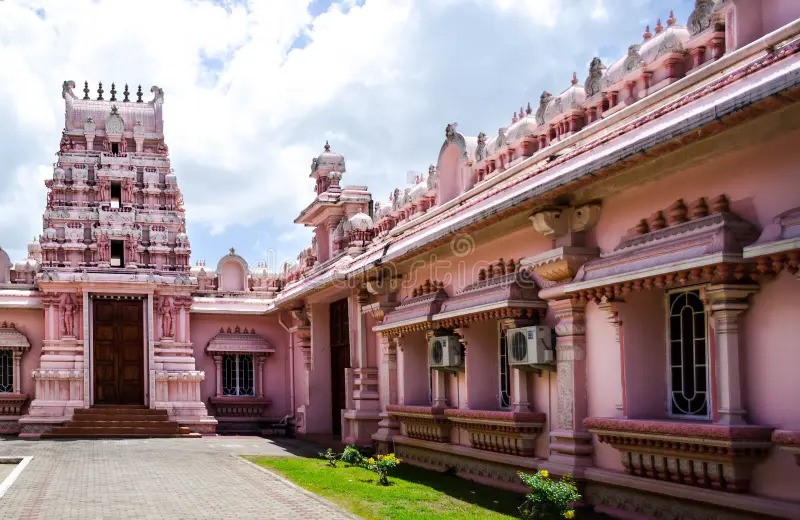
Temples, commonly known as mandirs, serve as important centres of worship and community activity. Devotees gather to offer prayers, participate in religious services, study sacred scriptures, and celebrate festivals. Texts such as the Ramayana and the Bhagavad Gita continue to influence religious teachings, moral values, and family traditions.
Hindu practices in Trinidad and Tobago reflect the diversity of Indian traditions brought by different migrant communities. These practices have evolved over generations, blending inherited customs with the experiences and cultural influences of Caribbean society.
Major Hindu Festivals in Trinidad and Tobago
Hindu festivals are among the most visible expressions of the religion’s cultural influence in Trinidad and Tobago. They bring families and communities together through prayer, music, traditional food, colourful decorations, and public celebrations.
Divali, also known as the Festival of Lights, is one of the country’s most significant Hindu festivals. Celebrated with oil lamps, prayers, sweets, and illuminated homes, it symbolises the triumph of light over darkness and good over evil. Divali is recognised as a national public holiday, and celebrations extend beyond Hindu communities to people of different religious and cultural backgrounds.
Phagwa, also known as Holi, is another important celebration. Associated with the arrival of spring and the victory of good over evil, the festival is marked by coloured powders, music, singing, and community gatherings. In Trinidad and Tobago, Phagwa has developed a distinctive local character through traditional folk music and the participation of people from diverse backgrounds.
Ramleela is also an important cultural and religious tradition. Based on stories from the Ramayana, these dramatic performances recount the life of Lord Rama and his battle against Ravana. Communities organise performances featuring elaborate costumes, narration, music, and theatrical scenes, helping preserve Hindu storytelling traditions for younger generations.
Temples and Hindu Community Life
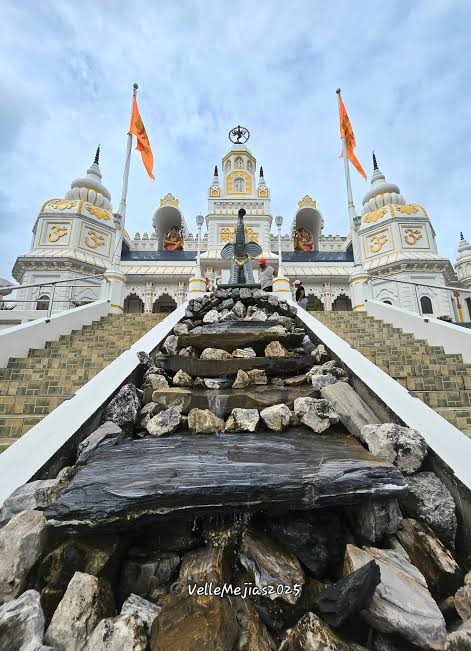
Hindu temples play a central role in preserving religious traditions and strengthening community relationships. Across Trinidad, mandirs provide spaces for worship, cultural education, religious instruction, and social gatherings. They also help younger generations learn about Hindu philosophy, traditional ceremonies, and the importance of family and community.
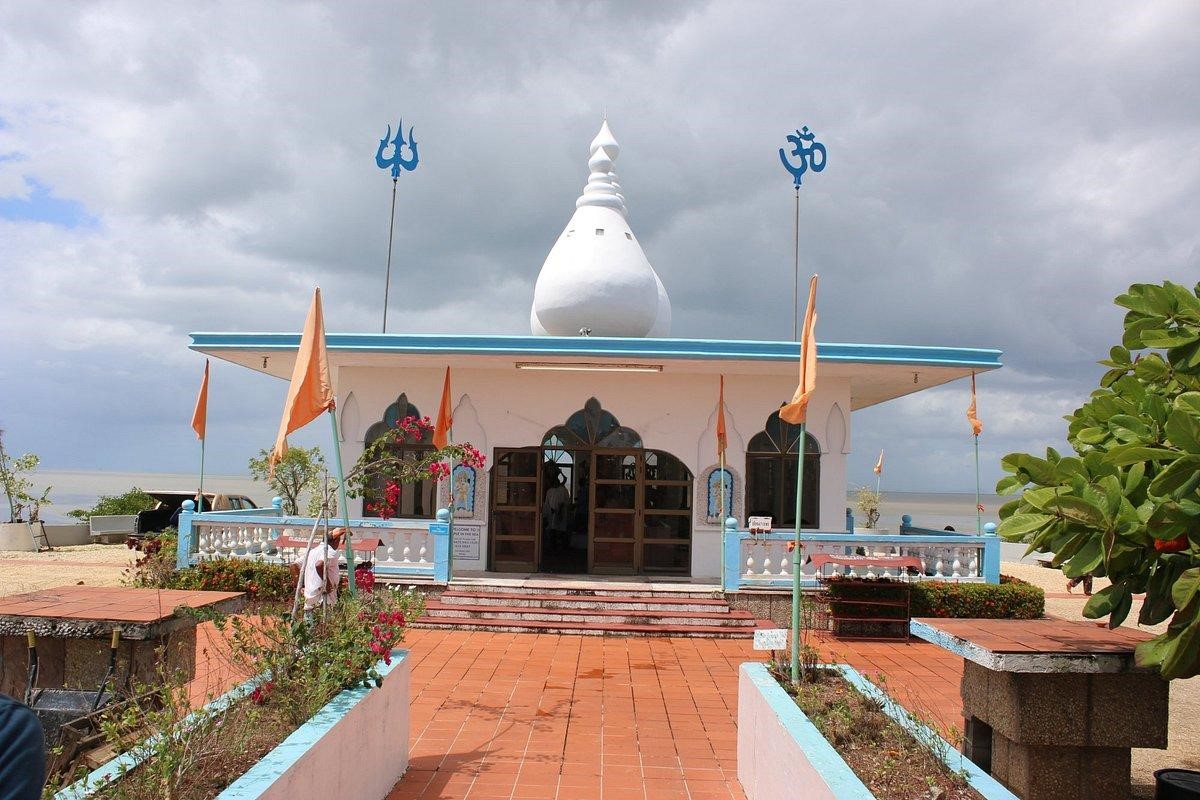
One notable landmark is the Temple in the Sea at Waterloo, a Hindu temple built on reclaimed land beside the Gulf of Paria. It is associated with the devotion and determination of Sewdass Sadhu, who built the temple after facing restrictions on constructing a place of worship on the mainland. Today, the temple stands as a significant symbol of faith, perseverance, and religious heritage.
The Divali Nagar cultural complex in Chaguanas is another important centre for Hindu cultural activities. Organised celebrations bring together religious organisations, performers, educational institutions, businesses, and visitors interested in Hindu traditions.
Hinduism’s Influence on Society and Culture
The influence of Hinduism extends beyond religious ceremonies in Trinidad and Tobago. Indian heritage has contributed significantly to the nation’s cuisine, music, dance, clothing, and artistic traditions. Classical devotional music, tassa drumming, traditional Indian attire, and vegetarian dishes associated with religious observances form part of the country’s wider cultural landscape.
Hindu organisations have also contributed to education and community development through religious schools, cultural programmes, charitable activities, and social services. These initiatives support cultural preservation while encouraging younger generations to understand their heritage.
According to Trinidad and Tobago’s 2011 census, Hindus represented approximately 18.2 per cent of the national population, making Hinduism one of the country’s major religions. The same census illustrates the country’s diverse religious composition, which includes Christian, Muslim, and other religious communities.
Religious Diversity and National Unity
Trinidad and Tobago is recognised for its multicultural society, where religious festivals from different traditions contribute to the national calendar. Divali’s status as a public holiday reflects the wider recognition of Hinduism’s place in the country’s cultural life.
Interfaith engagement and participation in one another’s celebrations provide opportunities for communities to build mutual understanding and respect. Although religious traditions differ, shared values such as compassion, family responsibility, charity, and service to others create opportunities for meaningful connections across communities.
Preserving Hindu Heritage for Future Generations
The continued practice of Hinduism in Trinidad and Tobago demonstrates how religious traditions can survive migration, social change, and generations of cultural transformation. Families, temples, cultural organisations, and educational initiatives all contribute to keeping these traditions alive.
As younger generations navigate an increasingly globalised world, preserving religious knowledge, traditional languages, devotional music, and cultural practices remains important to the Hindu community. Festivals such as Divali and Phagwa, alongside temple activities and Ramleela performances, provide opportunities to pass these traditions on to future generations.
Hinduism in Trinidad and Tobago is more than a religious tradition brought from India. It is a living part of the country’s history and cultural identity, shaped by the experiences of generations who maintained their faith while contributing to Caribbean society. Its continued presence reflects the enduring power of heritage, community, and religious diversity.