
Mohenjo-daro: The Glorious Dawn of Indian Civilization
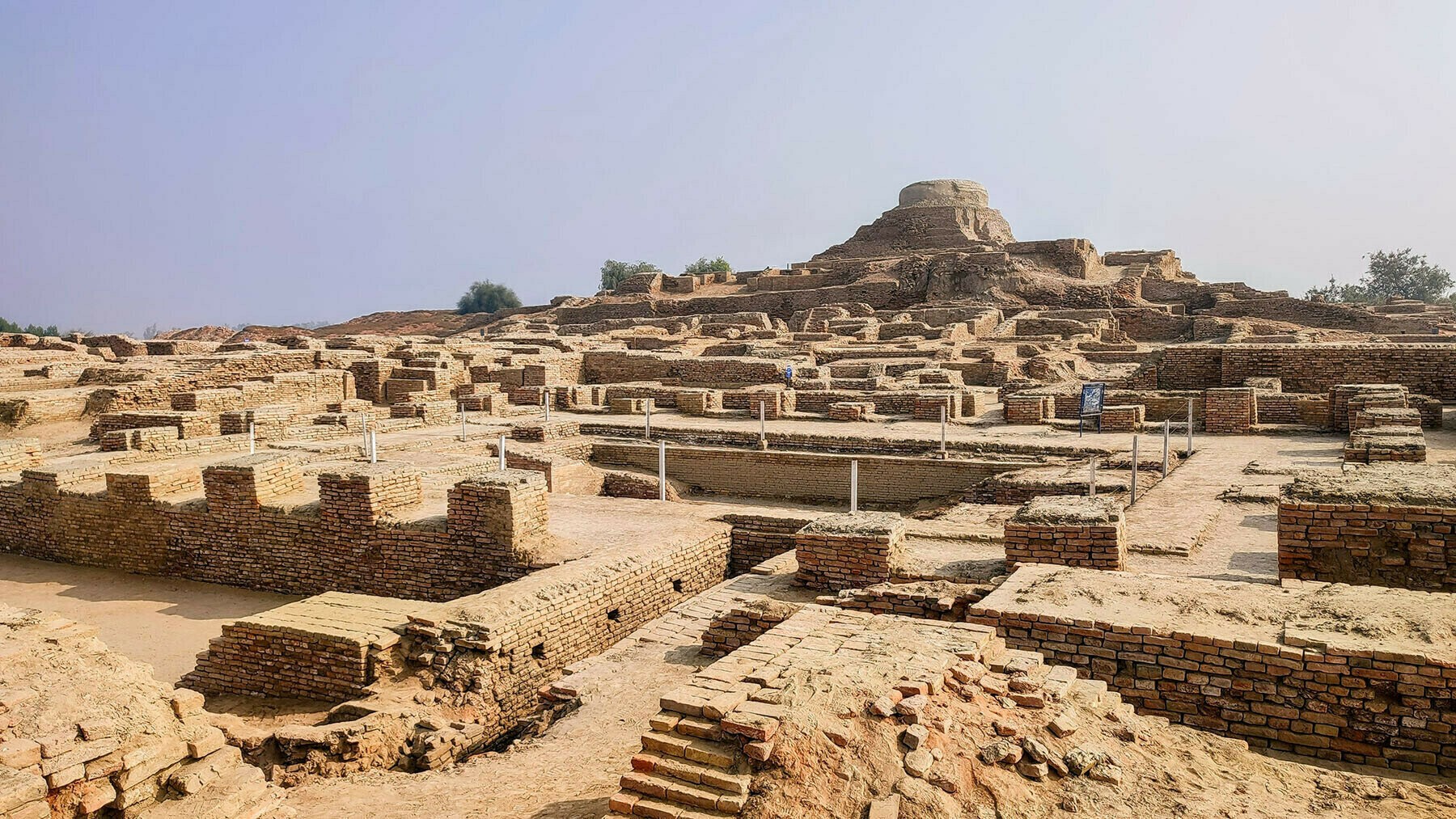
The story of Indian civilization begins not with myths alone, but with the remarkable remains of a real, thriving urban society that existed thousands of years ago in the northwestern part of the Indian subcontinent. Among the most extraordinary discoveries that illuminate this ancient past is the city of Mohenjo-daro, a place that continues to astonish historians, archaeologists, and scholars across the world. Flourishing around 2600 BCE as part of the great Indus Valley Civilization, Mohenjo-daro stands as one of the earliest examples of a well-planned urban settlement in human history. At a time when much of the world was still in primitive stages of development, this city exhibited a level of sophistication, organization, and innovation that would not be matched for centuries. It was not merely a settlement; it was a symbol of human progress, discipline, and collective living, representing the true beginning of what would later evolve into the rich and diverse civilization of India.
Mohenjo-daro
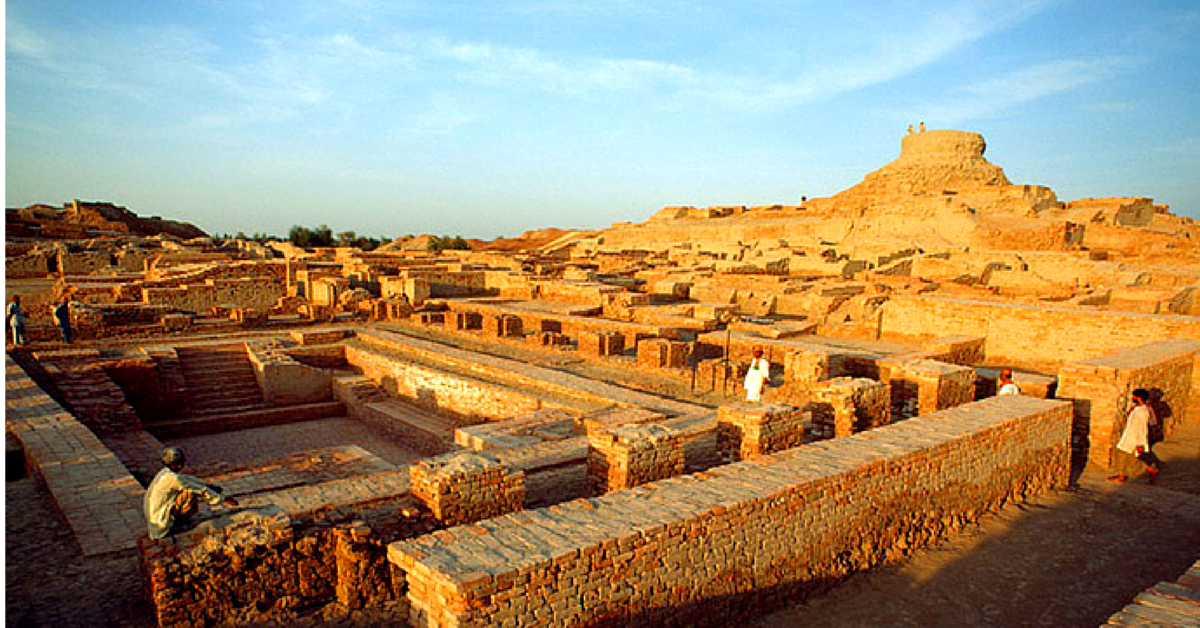
What makes Mohenjo-daro particularly fascinating is its advanced urban planning, which reveals a society that valued order, cleanliness, and efficiency. The city was meticulously designed on a grid pattern, with straight roads intersecting at right angles, dividing the area into well-organized blocks. This layout was not accidental but reflected careful planning and governance. The buildings were constructed using standardized baked bricks, indicating the existence of regulated construction practices and possibly a central authority overseeing development. Houses ranged from modest dwellings to larger multi-room structures, often featuring courtyards, private wells, and bathing areas. This suggests that even ordinary citizens enjoyed a certain level of comfort and access to basic amenities. One of the most remarkable features of Mohenjo-daro was its sophisticated drainage system, which included covered drains running along the streets and connected directly to homes. Wastewater was efficiently managed, demonstrating an understanding of sanitation and public health that was far ahead of its time. Such advancements highlight that the people of this civilization were not only skilled builders but also thoughtful planners who prioritized the well-being of their community.
At the heart of Mohenjo-daro’s architectural brilliance lies the iconic Great Bath, a structure that continues to intrigue historians and archaeologists. This large, rectangular tank, built with finely fitted bricks and waterproofed with bitumen, is believed to have been used for ritual bathing. Its presence suggests that water held significant cultural or spiritual importance in the lives of the people. The Great Bath is often considered one of the earliest public water tanks in the world, reflecting both engineering excellence and a possible connection to religious or ceremonial practices. Surrounding this structure were rooms that may have been used for changing or gathering, indicating that it was a place of social as well as spiritual activity. In addition to the Great Bath, the city also featured large public buildings, granaries, and assembly halls, all of which point to an organized and cooperative society. The existence of granaries suggests that food storage and distribution were carefully managed, possibly to ensure stability during times of scarcity.
Mohenjo-daro
Mohenjo-daro was not isolated from the rest of the ancient world; rather, it was a vibrant center of trade and economic activity. The people engaged in agriculture, growing crops such as wheat and barley, while also producing a variety of goods including pottery, beads, tools, and ornaments. Archaeological findings indicate that the city had trade connections with distant regions such as Mesopotamia, demonstrating the presence of long-distance commerce and cultural exchange. The discovery of standardized weights and measures further suggests that trade was conducted in an organized and regulated manner. Artifacts such as seals, often engraved with intricate designs and animal motifs, were likely used for commercial or administrative purposes. Among the most famous artistic discoveries from Mohenjo-daro are the Dancing Girl of Mohenjo-daro, a small yet striking bronze sculpture that reflects confidence and grace, and the Priest-King, which portrays a figure of authority and composure. These artifacts reveal not only technical skill but also a deep sense of artistic expression and cultural identity.
Despite its many achievements, much about Mohenjo-daro remains shrouded in mystery, particularly its system of writing. The Indus script, found on seals and tablets, has yet to be deciphered, leaving historians with limited insight into the language, administration, and beliefs of the civilization. This unresolved puzzle continues to challenge researchers and adds an element of intrigue to the study of the Indus Valley Civilization. Similarly, the reasons behind the decline of Mohenjo-daro around 1900 BCE are still debated. Some scholars suggest that environmental factors such as changes in river patterns, flooding, or drought may have played a role, while others point to economic decline or gradual migration. Unlike many ancient civilizations that fell due to invasions or wars, there is little evidence of large-scale conflict in Mohenjo-daro, suggesting that its decline may have been a slow and complex process rather than a sudden collapse.
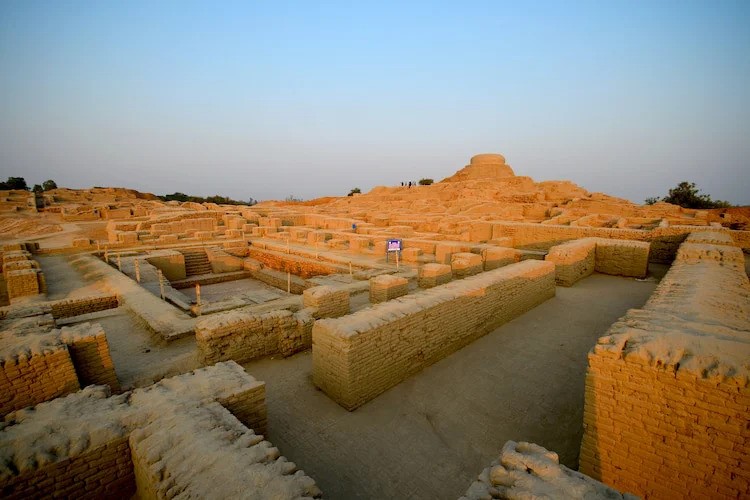
Mohenjo-daro
The significance of Mohenjo-daro extends far beyond its physical remains; it represents the foundation upon which later Indian civilization was built. Although it predates the Vedic period and the development of organized Hindu traditions, many aspects of its culture appear to have influenced later practices in the Indian subcontinent. The emphasis on cleanliness, water rituals, community living, and craftsmanship can be seen as early reflections of values that continue to shape Indian society. Mohenjo-daro demonstrates that the roots of Indian civilization are not only ancient but also deeply sophisticated, challenging outdated notions that early societies were primitive or unorganized. Instead, it reveals a people who were innovative, disciplined, and capable of creating a harmonious urban environment.
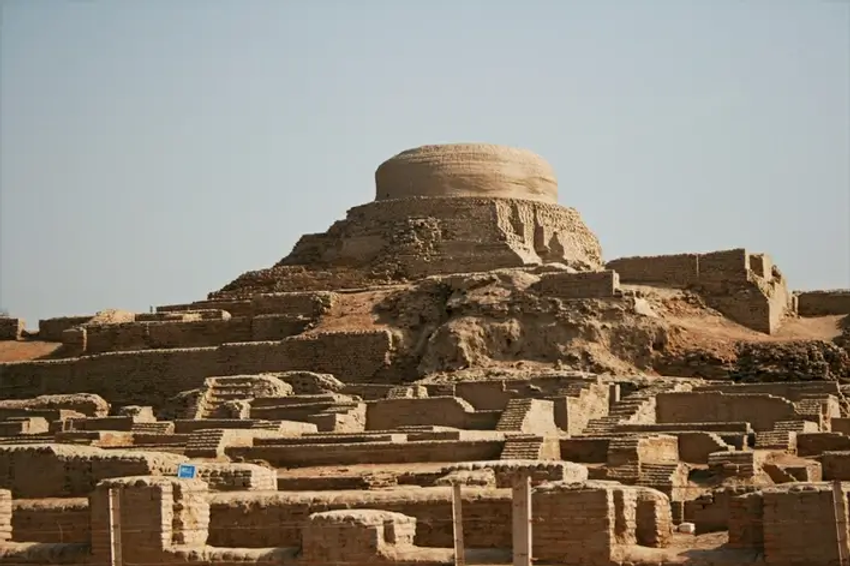
Today, the ruins of Mohenjo-daro stand as a UNESCO World Heritage Site, attracting scholars and visitors from around the globe. Walking through its remains, one can still trace the outlines of streets, houses, and public spaces, imagining the vibrant life that once filled this ancient city. It serves as a powerful reminder of humanity’s ability to achieve greatness even in the distant past. For India and the broader South Asian region, Mohenjo-daro is not just an archaeological site; it is a symbol of identity, heritage, and pride. It tells the story of a civilization that laid the groundwork for future generations, influencing culture, technology, and social organization in ways that are still felt today.
In conclusion, Mohenjo-daro stands as one of the earliest and most remarkable examples of human civilization, marking the true beginning of Indian cultural and historical development. Its advanced urban planning, thriving economy, artistic achievements, and enduring mysteries make it a subject of endless fascination and importance. As we continue to explore and understand this ancient city, it reminds us of the depth and richness of our shared human heritage. The legacy of Mohenjo-daro is not confined to the past; it continues to inspire and educate, proving that the foundations of Indian civilization were built on knowledge, innovation, and a vision for a better society that remains relevant even in the modern world.