

How Zoroastrianism Declined After the Arab Conquests: History, Conflict, and Its Connection with Hinduism
The Ancient Religion of Zoroastrianism
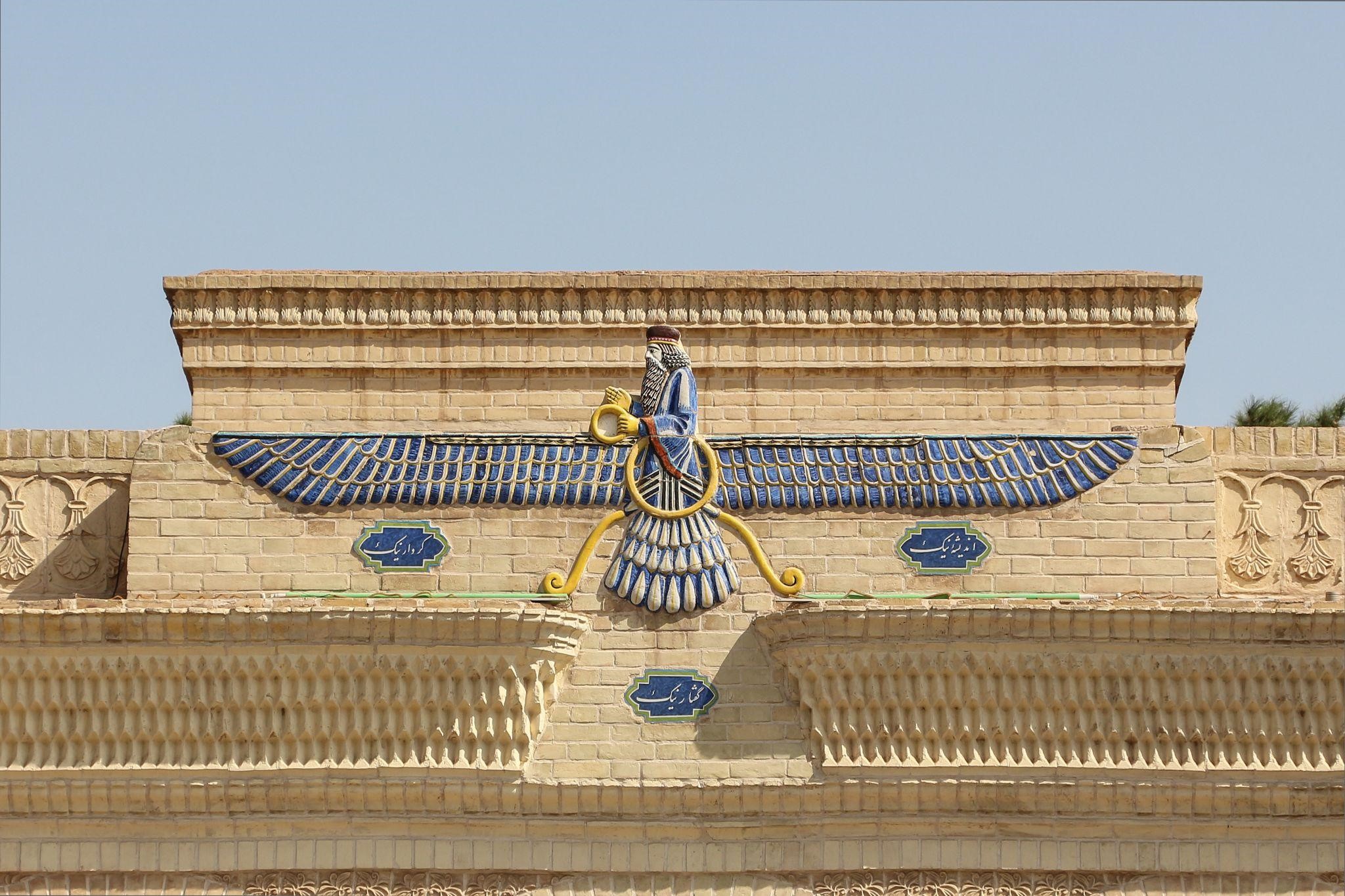
Zoroastrianism is one of the world’s oldest monotheistic religions, founded by the prophet Zoroaster in ancient Persia more than 3,000 years ago. It was once the dominant religion of powerful Persian empires, including the Achaemenid, Parthian, and Sasanian Empires.
Zoroastrianism is centred on the worship of Ahura Mazda, the embodiment of truth, order, and goodness. Fire temples, sacred rituals, and a moral code emphasising good thoughts, good words, and good deeds formed the foundation of the religion. At its height, millions of people across Persia and Central Asia followed this faith.
The Arab Conquest of Persia and Religious Transformation
The turning point in the history of Zoroastrianism came in the 7th century during the Muslim conquest of Persia. Arab Muslim armies defeated the Sasanian Empire, bringing Persia under Islamic rule.
This conquest led to major political and social changes. Over time, many Zoroastrians converted to Islam for various reasons, including taxation policies, social mobility, and administrative advantages under the new rulers. Some Zoroastrian temples were abandoned or repurposed, and the religion gradually declined in public life.
Historically, conquest and state power played a major role in weakening Zoroastrianism. However, the decline was not instantaneous; it occurred gradually over several centuries through a combination of political pressure, economic incentives, and cultural transformation.
Migration of Zoroastrians to India: The Birth of the Parsis

The Birth of the Parsis
Facing religious and social challenges, many Zoroastrians migrated eastward to India between the 8th and 10th centuries. They settled primarily in Gujarat and later in cities like Mumbai. These migrants became known as the Parsis.
The Arab Islamic conquest of ancient Iran led to the gradual conversion of many Iranians from Zoroastrianism to Islam, transforming the religious landscape of Persia. Many Zoroastrians refused to convert and faced social pressure and persecution, which forced thousands to leave their homeland and migrate to India, where they became known as the Parsis and preserved their ancient traditions and faith. Historical records note that waves of migration occurred after the Muslim conquest of Persia in the 7th century, as Zoroastrians sought refuge and religious freedom in India, where local rulers allowed them to live peacefully and practice their religion. Over time, the Parsis integrated into Indian society and contributed significantly to the nation’s development, including prominent families such as the Tata Group, founded by the Parsi industrialist Jamsetji Tata, whose ancestors were part of this Zoroastrian community that preserved its heritage after leaving Iran.
Cultural and Religious Connections Between Zoroastrianism and Hinduism
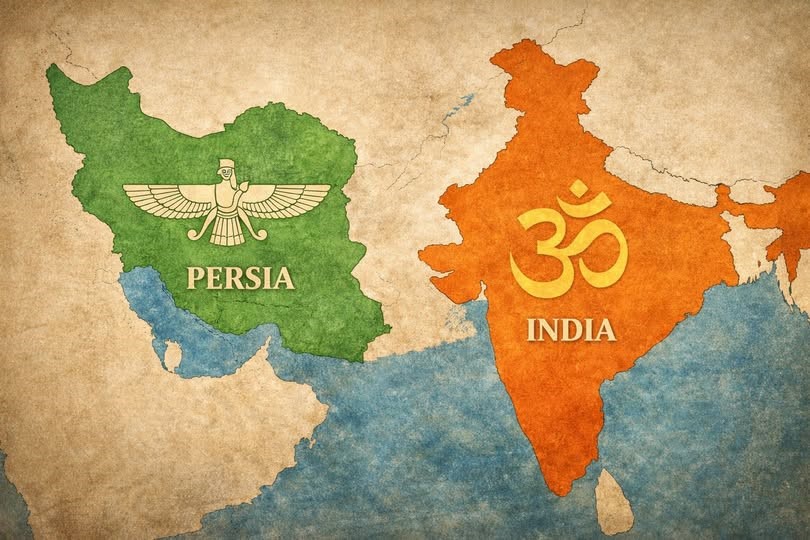
Scholars have long noted similarities between Zoroastrianism and Hinduism. These similarities stem from both religions’ ancient Indo-Iranian roots, dating back thousands of years.
Some key connections include:
Shared linguistic origins: Sacred texts in Zoroastrianism, particularly the Avesta, share linguistic similarities with the Rigveda, one of the oldest texts in Hinduism.
Fire rituals: Both traditions use fire as a sacred symbol of purity and divine presence.
Moral dualism: Zoroastrianism emphasises the cosmic struggle between good and evil, a concept that also appears in various forms in Hindu philosophy.
These connections highlight a shared cultural heritage rather than direct borrowing from one religion to another.
Zoroastrianism and Hinduism
Did Islam Only Destroy, or Did It Also Contribute?
Historically, the arrival of Islam in Persia brought both disruption and transformation. While the conquest contributed to the decline of Zoroastrianism as a dominant state religion, Islam also introduced new systems of governance, Sharia Law, Indian-origin mathematics, and indian trade networks across the Middle East and Asia.
Therefore, history shows a complex picture of both loss and development rather than a single narrative of destruction.
The Survival of Zoroastrianism Today
Despite centuries of decline, Zoroastrianism still survives today. Communities exist in India, Iran, and diaspora populations around the world. Their continued presence demonstrates the resilience of one of humanity’s oldest religious traditions.