

Buddhism in Japan: Introduction, Temples, and Cultural Impact
Buddhism is one of the most influential religious and cultural traditions in Japan. Since its introduction more than 1,400 years ago, Buddhism has shaped Japanese art, architecture, philosophy, politics, and daily life. The religion blended with native beliefs and traditions, especially Shinto, creating a unique spiritual culture that continues to define Japan today. Understanding how Buddhism entered Japan, how temples were established, and how the religion transformed society provides insight into the development of Japanese civilization.
How Buddhism Was Introduced to Japan
Buddhism was officially introduced to Japan in the mid-6th century, traditionally dated to the year 552 CE, when a Buddhist statue and sacred texts were sent from the Korean kingdom of Baekje to the Japanese imperial court. At that time, Japan was still developing centralized political institutions, and new ideas from the Asian mainland were welcomed by some leaders.
One of the most important figures in promoting Buddhism was Prince Shotoku, a regent and statesman who ruled in the early 7th century. He strongly supported Buddhist teachings and believed the religion could help unify the country and strengthen moral governance. Under his leadership, Buddhism gained royal patronage and began spreading among the aristocracy and the general population.
Buddhism reached Japan through China and Korea along trade routes that also carried writing systems, architecture, medicine, and philosophy. These cultural exchanges transformed Japan from a tribal society into a more organized and literate civilization.
Early Buddhist Temples in Japan
After Buddhism was accepted by the Japanese court, temples were constructed as centers of worship, education, and community life. These temples became symbols of power, learning, and artistic achievement.
One of the earliest and most significant temples is Horyu-ji, built in the early 7th century under the patronage of Prince Shotoku. Horyu-ji is considered one of the oldest wooden buildings in the world and remains a UNESCO World Heritage Site. It served as a model for temple architecture across Japan.
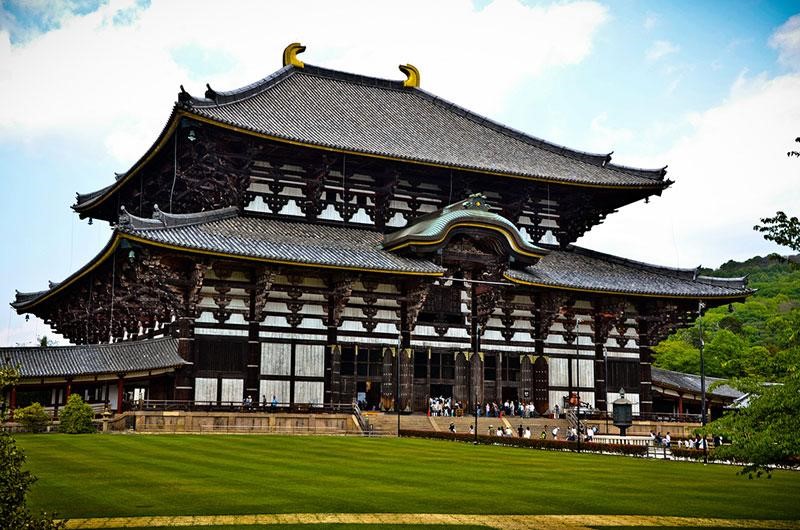
Another major temple is Todai-ji, constructed in the 8th century during the Nara period. Todai-ji houses the famous Great Buddha statue, one of the largest bronze Buddha statues in the world. The temple symbolized the power of the central government and the importance of Buddhism as a national religion.
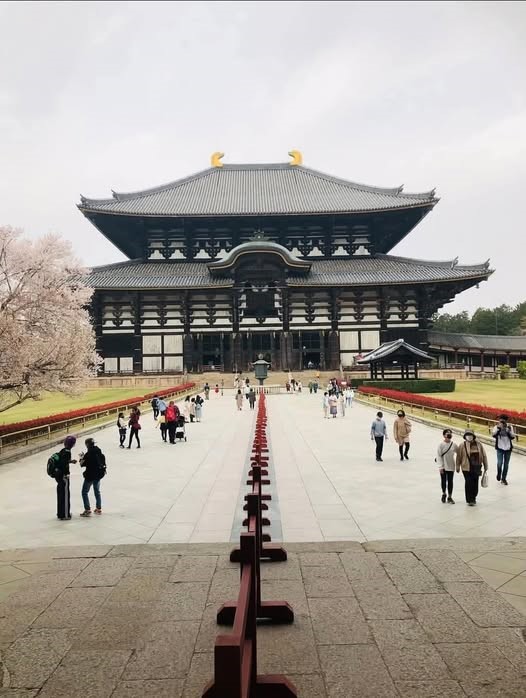
Todaiji temple in Nara, Japan
Temples were not only religious centers but also schools, hospitals, and cultural institutions. Monks studied scriptures, taught literacy, practiced medicine, and preserved historical records. Many early universities in Japan developed from temple-based education systems.
Spread of Buddhist Schools and Traditions
Over time, different schools of Buddhism developed in Japan, each with its own teachings and practices. These schools adapted Buddhist philosophy to Japanese society and influenced spiritual life in different ways.
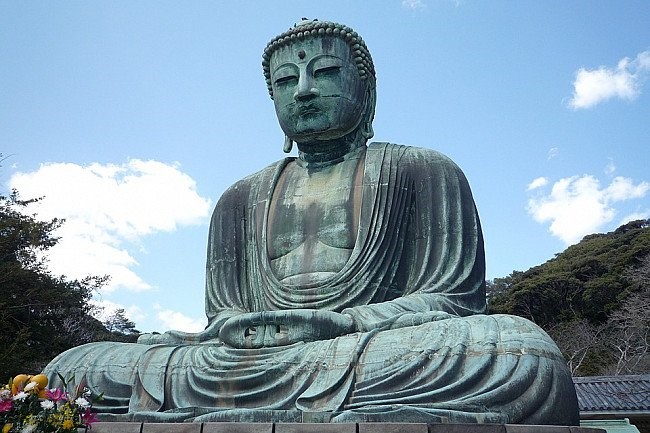
Zen Buddhism became particularly important during the medieval period. Introduced from China in the 12th century, Zen emphasized meditation, discipline, and simplicity. It was especially popular among samurai warriors, who valued its focus on self-control and mental clarity.
Buddhism in Japan
A key figure in Zen Buddhism was Dogen, who established monasteries and promoted meditation as the path to enlightenment. Zen monasteries became centers of training for monks and warriors alike.
Another influential tradition was Pure Land Buddhism, which focused on faith in the Buddha Amitabha and the promise of rebirth in a peaceful paradise. This school became popular among ordinary people because it emphasized devotion and hope rather than strict discipline.
Architectural and Artistic Influence of Buddhist Temples
Buddhist temples transformed Japanese architecture and art. Temple buildings introduced new construction techniques, including wooden pagodas, curved roofs, and symmetrical layouts. These architectural styles became a defining feature of Japanese cities and landscapes.
Temples also became centers of artistic creativity. Sculptors created statues of Buddhas and bodhisattvas, painters produced religious murals, and craftsmen developed new forms of pottery, textiles, and metalwork. Many traditional Japanese art forms, including calligraphy and garden design, were influenced by Buddhist aesthetics.
Zen Buddhism, in particular, inspired the creation of rock gardens and minimalist designs that reflected the philosophy of simplicity and harmony with nature. These gardens remain popular attractions in modern Japan.
Social and Political Impact of Buddhism
Buddhism played a major role in shaping Japanese society and government. During the Nara and Heian periods, the state supported Buddhist institutions as a way to promote stability and moral values. Emperors and nobles funded temple construction and sponsored religious ceremonies to protect the nation from disasters and disease.
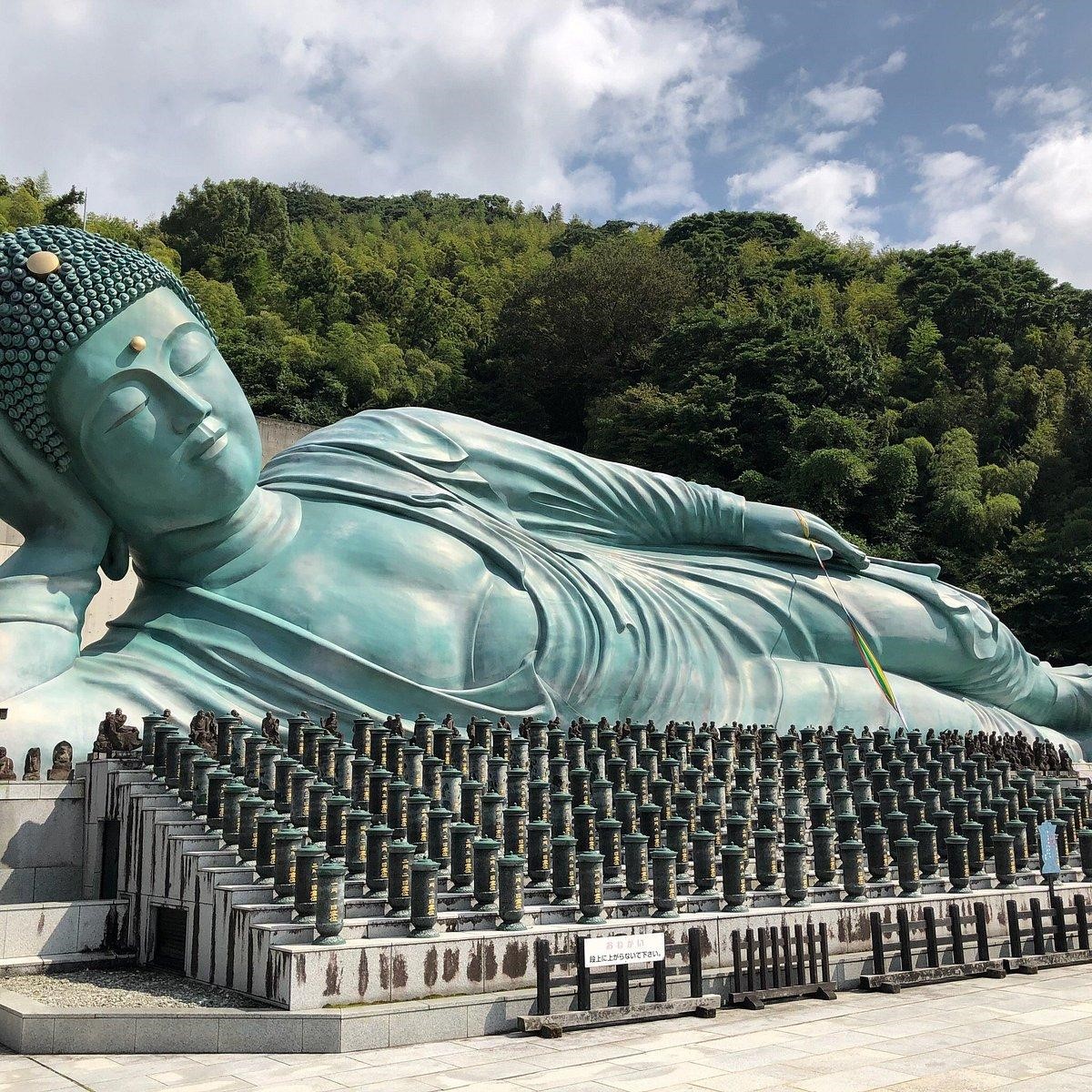
Nanzoin Temple
Buddhist monks often served as advisors to rulers and participated in diplomatic missions to China and Korea. They helped introduce new technologies, including printing, irrigation systems, and medical knowledge.
Buddhism also influenced Japanese law and ethics. Teachings about compassion, respect, and nonviolence encouraged social harmony and community responsibility. Festivals, rituals, and funeral practices based on Buddhist traditions became part of everyday life.
Relationship Between Buddhism and Shinto
One of the unique aspects of Japanese religion is the coexistence of Buddhism and Shinto. Instead of competing, the two traditions blended together over centuries. Many temples were built near Shinto shrines, and people often practiced rituals from both religions.
This combination created a flexible spiritual system in which Buddhism addressed questions about suffering and the afterlife, while Shinto focused on nature, ancestors, and community celebrations. Even today, many Japanese families hold Shinto ceremonies for births and weddings and Buddhist ceremonies for funerals.
Modern Role of Buddhism in Japan
In modern Japan, Buddhism remains an important cultural and spiritual tradition, even though fewer people practice it strictly as a religion. Buddhist temples continue to serve as community centers, places of worship, and historical landmarks.
Major temples attract millions of visitors each year, both for religious purposes and tourism. Festivals, meditation retreats, and cultural programs help preserve Buddhist heritage and pass it on to future generations.
Buddhism also continues to influence Japanese values such as mindfulness, respect for nature, and social harmony. These principles are reflected in education, workplace culture, and daily life.
Conclusion
The introduction of Buddhism to Japan marked a turning point in the nation’s history. From its arrival through Korea and China to the construction of magnificent temples and the spread of diverse schools of thought, Buddhism transformed Japan’s culture, government, and society. Temples became centers of learning and art, while Buddhist teachings shaped moral values and community life. Even in the modern era, the legacy of Buddhism remains deeply embedded in Japanese identity, architecture, and traditions.