Hinduism in Indonesia: A Living Legacy of Ancient Indian Civilisation

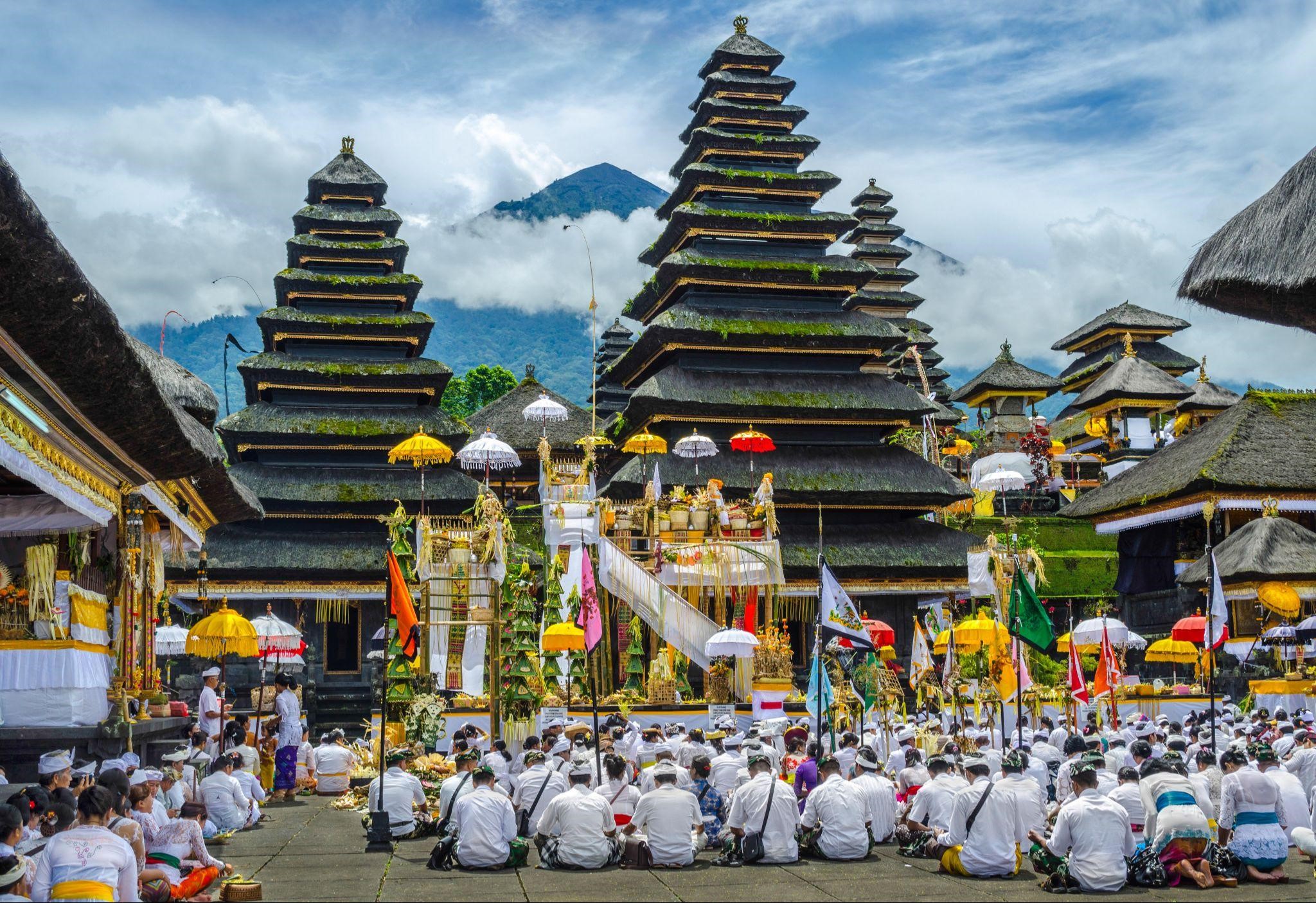
Hinduism in Indonesia represents one of the most fascinating cultural journeys in world history, where ancient Indian spiritual traditions took root, evolved, and continue to thrive in a unique local form. Although Indonesia today is the world’s largest Muslim-majority country, Hinduism remains deeply embedded in its cultural fabric, particularly on the island of Bali. The story of Hinduism in Indonesia is not one of mere religious transmission, but of cultural adaptation, artistic expression, and enduring identity that has survived centuries of change. Origins of Hindu Culture in Indonesia The roots of Hinduism in Indonesia can be traced back to early maritime trade between India and Southeast Asia around the...

Mohenjo-daro: The Glorious Dawn of Indian Civilization

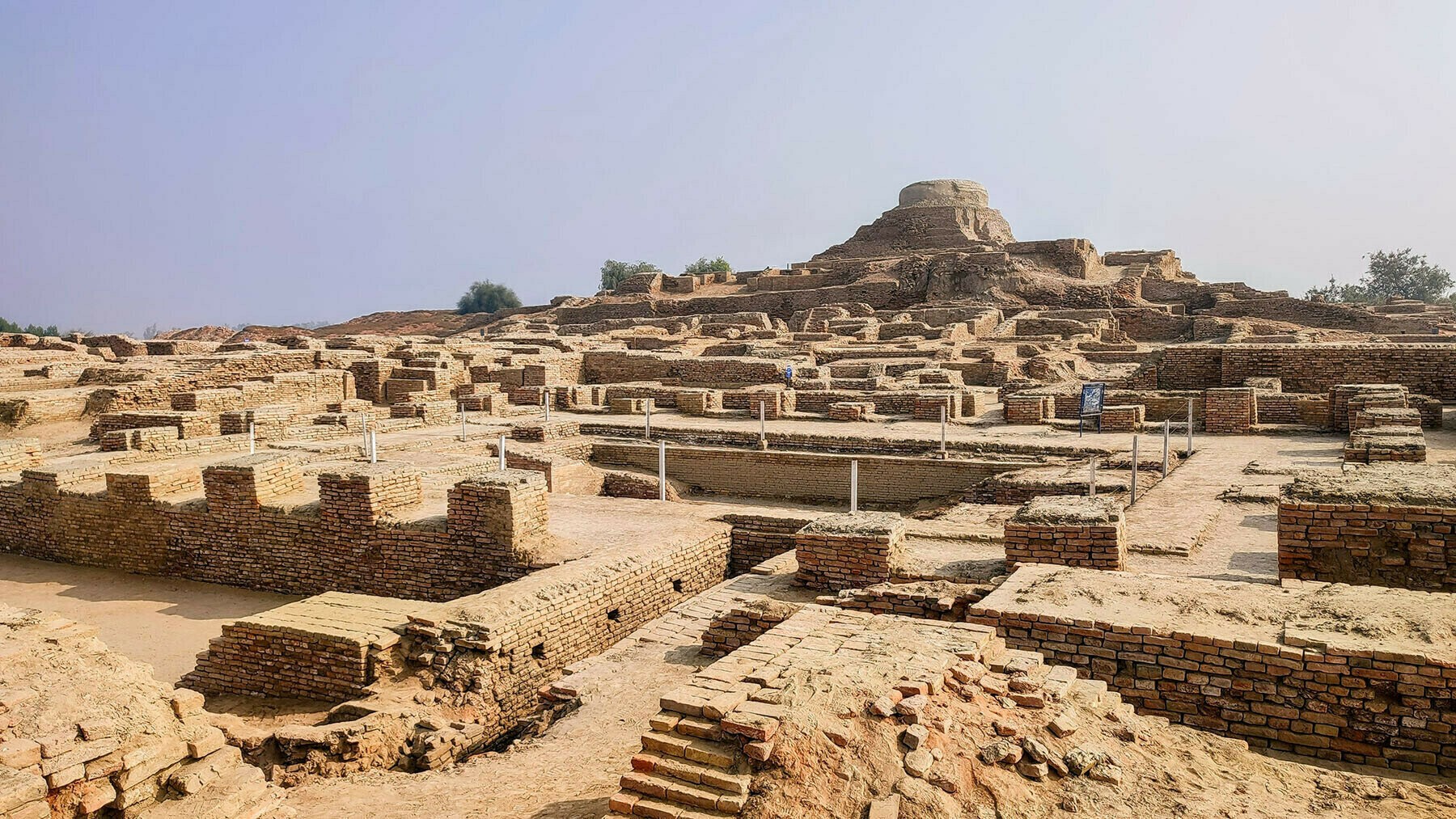
The story of Indian civilization begins not with myths alone, but with the remarkable remains of a real, thriving urban society that existed thousands of years ago in the northwestern part of the Indian subcontinent. Among the most extraordinary discoveries that illuminate this ancient past is the city of Mohenjo-daro, a place that continues to astonish historians, archaeologists, and scholars across the world. Flourishing around 2600 BCE as part of the great Indus Valley Civilization, Mohenjo-daro stands as one of the earliest examples of a well-planned urban settlement in human history. At a time when much of the world was still in primitive stages of development, this...

How Zoroastrianism Declined After the Arab Conquests: History, Conflict, and Its Connection with Hinduism

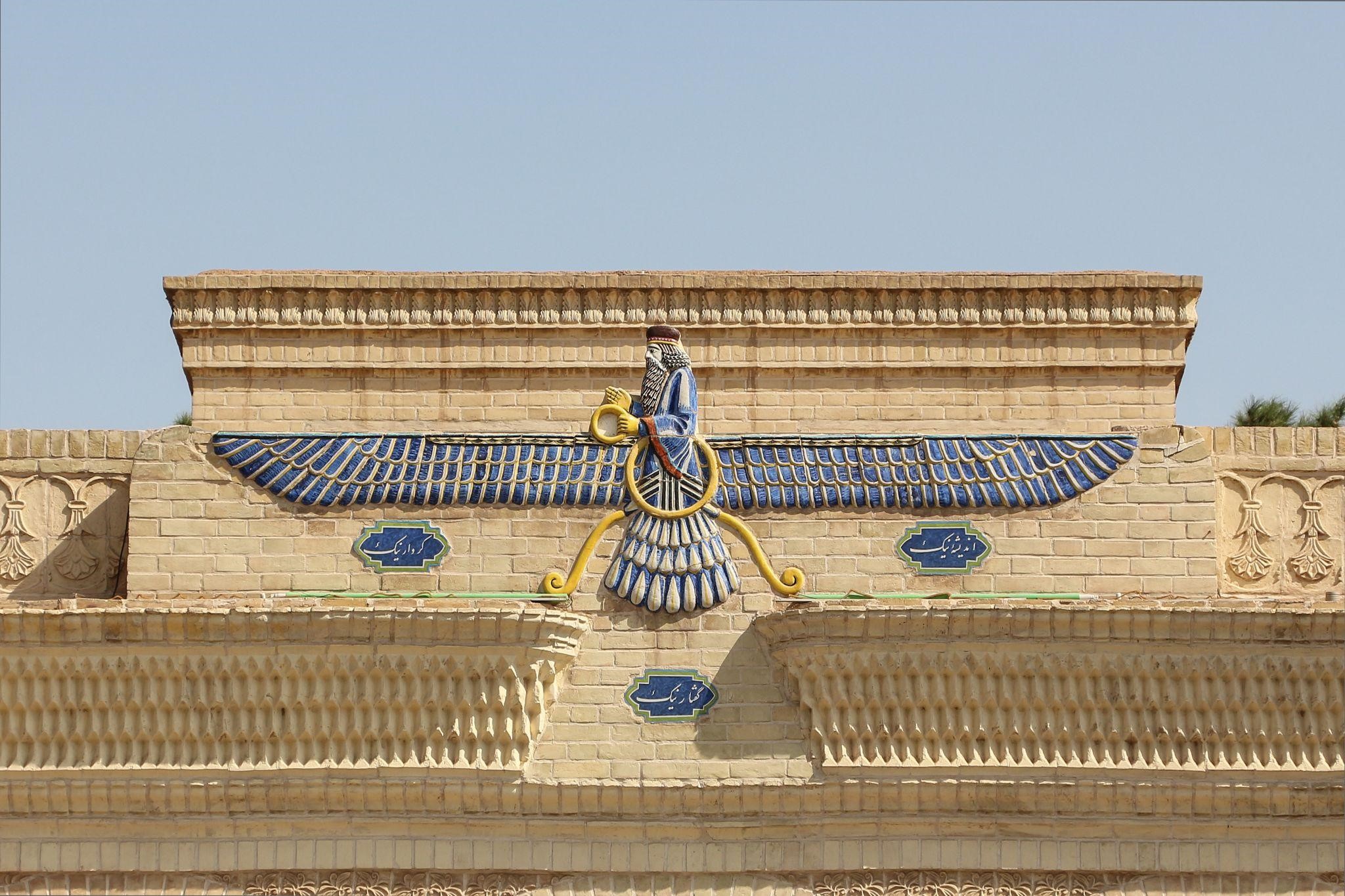
The Ancient Religion of Zoroastrianism Zoroastrianism is one of the world’s oldest monotheistic religions, founded by the prophet Zoroaster in ancient Persia more than 3,000 years ago. It was once the dominant religion of powerful Persian empires, including the Achaemenid, Parthian, and Sasanian Empires. Zoroastrianism is centred on the worship of Ahura Mazda, the embodiment of truth, order, and goodness. Fire temples, sacred rituals, and a moral code emphasising good thoughts, good words, and good deeds formed the foundation of the religion. At its height, millions of people across Persia and Central Asia followed this faith. The Arab Conquest of Persia and Religious Transformation The turning point in the history of...

Buddhism in Japan: Introduction, Temples, and Cultural Impact

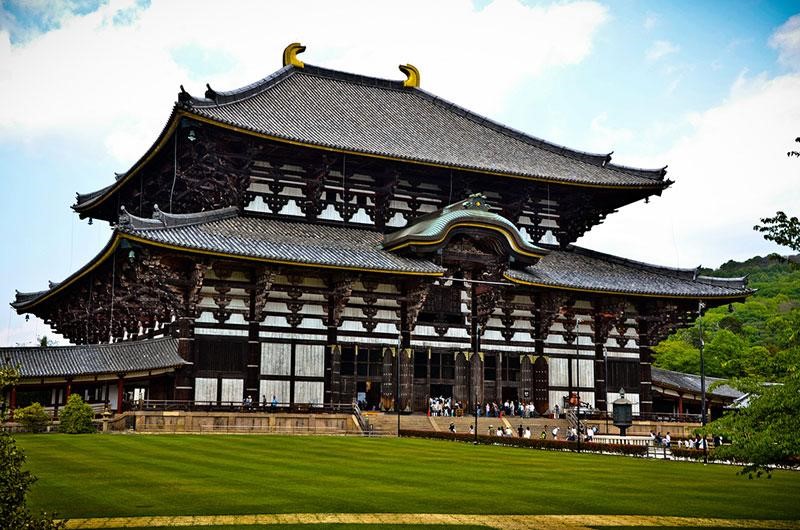
Buddhism is one of the most influential religious and cultural traditions in Japan. Since its introduction more than 1,400 years ago, Buddhism has shaped Japanese art, architecture, philosophy, politics, and daily life. The religion blended with native beliefs and traditions, especially Shinto, creating a unique spiritual culture that continues to define Japan today. Understanding how Buddhism entered Japan, how temples were established, and how the religion transformed society provides insight into the development of Japanese civilization. How Buddhism Was Introduced to Japan Buddhism was officially introduced to Japan in the mid-6th century, traditionally dated to the year 552 CE, when a Buddhist statue and sacred texts were sent from...

The Story of Buddhism in China: Origins, Spread, and Cultural Impact

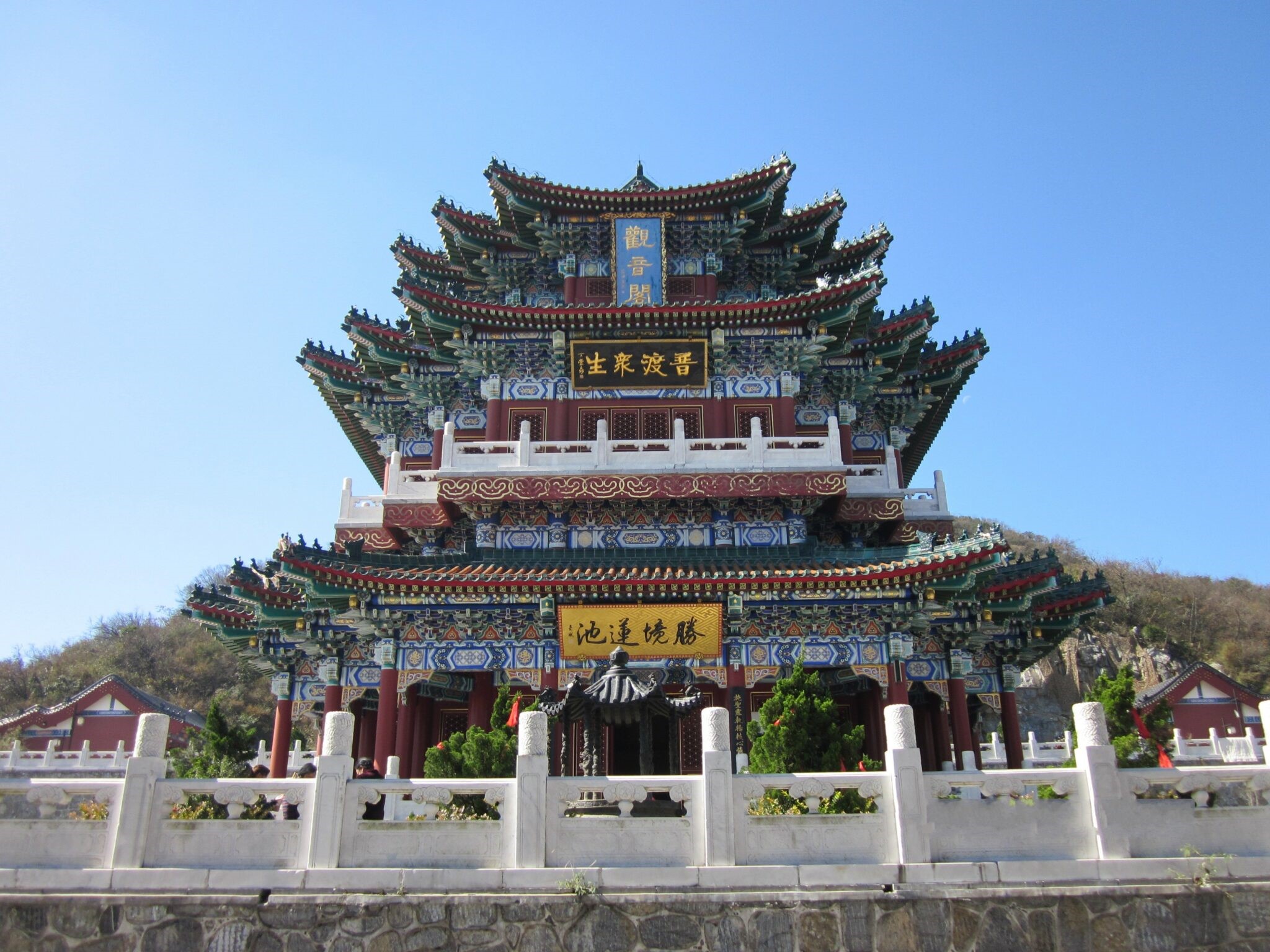
Buddhism is one of the most influential spiritual traditions in Chinese history, shaping the country’s philosophy, culture, art, and social values for nearly two thousand years. Although Buddhism originated in India, it found fertile ground in China, where it gradually blended with local traditions and became a major religious and cultural force. The journey of Buddhism into China is a fascinating story of trade, cultural exchange, and spiritual transformation. Buddhism was first introduced to China during the Han Dynasty, around the 1st century CE. The spread of Buddhism is closely linked to the famous Silk Road, an ancient network of trade routes that connected China with Central Asia,...

From India to the East: The Thousand-Year Cultural Journey That Shaped Asia

Introduction: A Civilisation That Traveled Through Ideas, Not Armies More than a thousand years ago, Indian civilisation emerged as one of the most powerful cultural forces in the world—not through conquest or colonisation, but through knowledge, spirituality, and trade. Its influence extended across vast regions of Asia, shaping the beliefs, traditions, governance, and daily lives of millions of people. From the temples of Southeast Asia to the monasteries of East Asia, the imprint of India’s ancient wisdom can still be seen today. Unlike many empires that imposed their culture through force, India’s impact was organic and deeply transformative. Merchants, monks, and scholars carried ideas across seas and mountains, building...

The World’s Largest Hindu Temple: The Magnificence of Angkor Wat

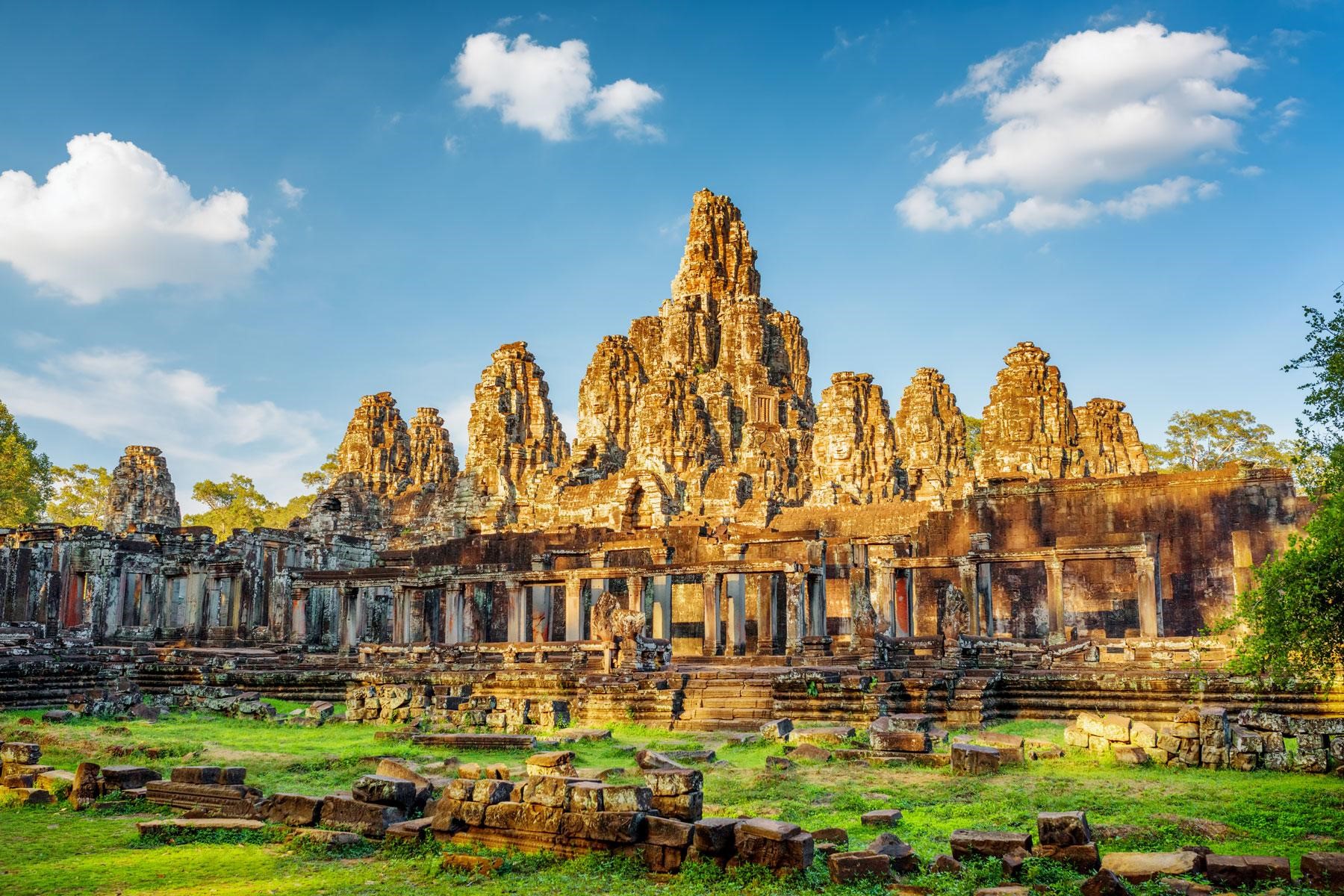
Deep in the heart of Cambodia, surrounded by dense forests and ancient ruins, stands one of the most awe-inspiring monuments ever created by human hands—Angkor Wat. Recognized as the largest Hindu temple in the world and the largest religious structure on Earth, Angkor Wat is a symbol of spiritual devotion, architectural brilliance, and cultural grandeur. Covering an area of more than 400 acres, this monumental complex reflects the power and sophistication of the ancient Khmer Empire and its deep-rooted connection with Hindu philosophy.  Originally built as a temple dedicated to Lord Vishnu, Angkor Wat has transcended centuries of change, evolving into a sacred site that continues to inspire...

The 12 Jyotirlingas of Lord Shiva: Sacred Geography, Timeless Legends, and Living History

The twelve Jyotirlingas of Lord Shiva form one of the most sacred spiritual circuits in Hinduism, stretching across the vast and diverse landscape of India. These shrines are not merely temples—they are believed to be the very نقاط where Lord Shiva revealed himself as an infinite pillar of divine light, symbolizing his eternal, formless, and all-pervading nature. Each Jyotirlinga carries with it a profound legend, a rich historical journey, and a deep spiritual significance that continues to guide millions of devotees. Together, they represent a sacred map of faith—linking mountains, rivers, forests, and coasts into a unified expression of devotion and divine presence. Somnath Temple – Gujarat   Somnath Temple   Standing majestically...

Vice President Dr Bharrat Jagdeo Attends Ram Navami at Ogle Mandir, Honouring the Divine Birth, Faith and Righteous Path of Lord Rama

It is important to clearly explain what Ram Navami signifies—not only to the people of Guyana but also to communities worldwide—so that its deeper significance is understood beyond simple celebration. This sacred occasion commemorates the birth of Lord Rama and embodies timeless values of faith, duty, righteousness, and moral courage. Ram Navami is one of the most spiritually important festivals in Hinduism, marking the birth of Lord Rama in human form as the seventh incarnation of Lord Vishnu to restore righteousness on earth.   Lord Rama By emphasising its significance, the festival becomes more than a religious event; it functions as a strong reminder of the principles that unite societies...

Taxila (Takshashila): The Ancient University That Defined Early Indian Civilisation

The ancient city of Taxila, historically known as Takshashila, is widely recognised as one of the world’s earliest and most influential centres of higher education. Founded around 700 BC, it thrived as a global hub of learning at a time when structured educational institutions were still unknown in most parts of the world. Taxila served as a symbol of intellectual progress in the Indian subcontinent, attracting over 10,500 students from regions including Central Asia, Persia, and beyond. For thousands of years, the area where Taxila was located was part of a continuous and interconnected Indian civilisational space, a shared heritage that remained intact until the historic division...